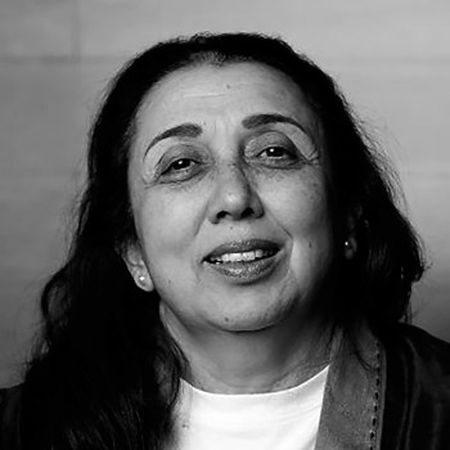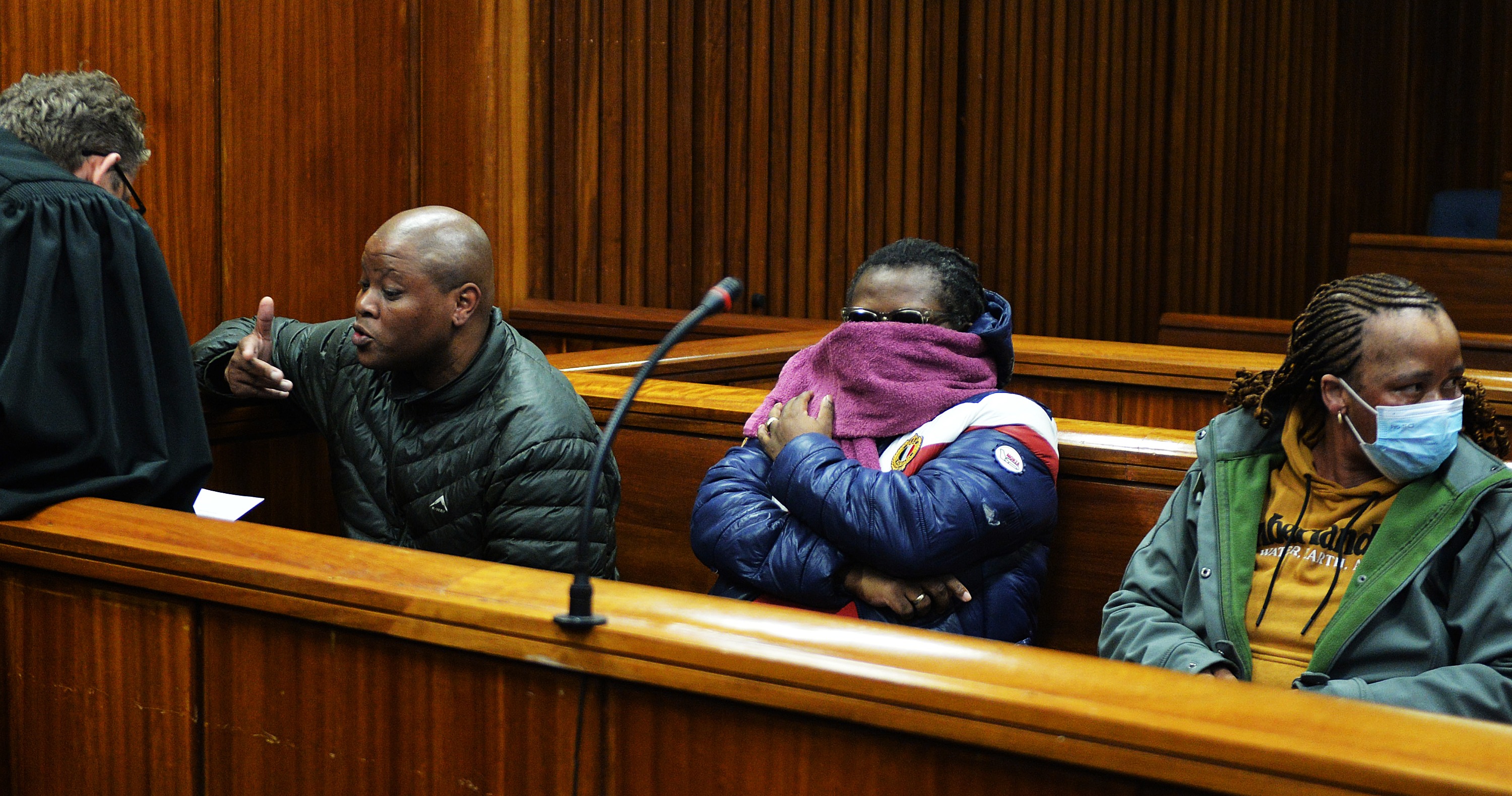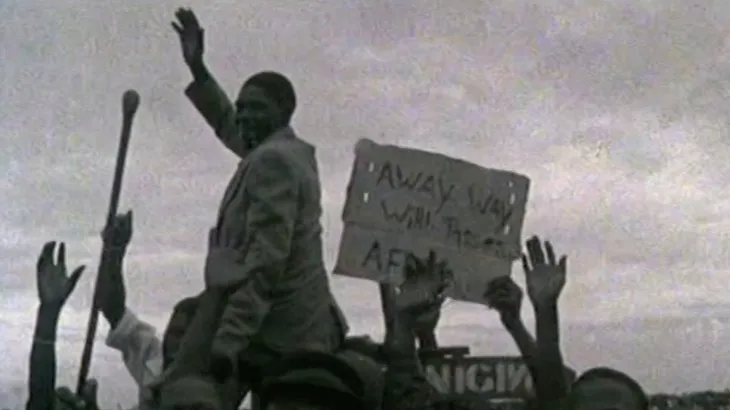
A new academic institution, The Nokuthula Simelane Centre for Gender and Intersectional Studies, has been established to honor the legacy of Nokuthula Simelane, a 23-year-old liberation activist from South Africa. The Centre aims to embody Simelane's commitment to justice and equality through its academic and civic engagement initiatives. Simelane, who was active in Umkhonto we Sizwe, disappeared in 1983 and her remains have never been found. Her story has become a symbol for the enduring fight for human rights and accountability in South Africa. The establishment of the Centre serves to perpetuate her memory and inspire future generations to engage in civic action, reflecting President Cyril Ramaphosa's call for youth to emulate her spirit. This new institution is poised to become a focal point for critical discussions and research on gender, intersectionality, and social justice, drawing inspiration directly from Simelane's profound dedication to these causes. By focusing on both academic inquiry and practical community involvement, the Centre seeks to bridge the gap between theoretical understanding and real-world impact, ensuring that Simelane's ideals continue to resonate and drive progress.
Honoring a Fallen Activist
Nokuthula Simelane, a prominent figure whose legacy the Centre aims to uphold, was a student when she joined Umkhonto we Sizwe, the armed wing of the African National Congress. Her involvement in the liberation movement saw her take on a key role as a courier. Simelane frequently traversed between Swaziland and South Africa, carrying vital messages for the organization during a period of intense political struggle. This dedication to civic engagement and risk-taking is presented as an inspiration for current generations. Her actions, carried out at a young age, exemplify the profound impact individuals can have in the pursuit of freedom and justice. The Centre’s programming will likely highlight such acts of courage and commitment, encouraging students and the wider public to consider their own roles in contemporary societal challenges.
The call to civic action comes at a time when youth participation in formal democratic processes has been a subject of concern. Data from the 2024 elections indicated that fewer than half of registered voters under the age of 30 cast their ballots. This statistic suggests a potential disconnect between young people and electoral politics, noting the importance of initiatives that encourage broader civic involvement. Simelane's story is therefore invoked as a powerful example of active citizenship, encouraging a renewed commitment to shaping the country's future. The low voter turnout among younger demographics shows a critical challenge for South Africa's democracy, prompting leaders like President Ramaphosa to actively engage and motivate this segment of the population. The Centre, through its educational outreach and advocacy, is expected to play a significant role in fostering a culture of active participation, moving beyond mere electoral engagement to encompass a broader spectrum of civic responsibilities. This includes encouraging volunteerism, community organizing, and informed debate on national issues, all of which are essential components of a strong democratic society.
The Call for Participation
President Cyril Ramaphosa delivered the inaugural Nokuthula Simelane Memorial Lecture at the University of Mpumalanga on Thursday, emphasizing the importance of youth engagement in democratic processes. His address showed the country's consistent commitment to electoral participation since the dawn of democracy. Ramaphosa's speech served as a poignant reminder of the sacrifices made by activists like Simelane, who fought for the very democratic rights that young people now have the opportunity to exercise. He noted that the right to vote was hard-won and should not be taken for granted, especially by a generation that did not experience the direct struggles of apartheid. The President's message resonated with the mission of the newly established Centre, which aims to infuse academic discourse with a sense of civic duty and historical consciousness.
South Africans are preparing for their 14th nationwide election for national, provincial, or local government with the upcoming 2026 Local Government Elections. This consistent electoral activity notes a sustained tradition of democratic participation across various levels of governance. The elections represent a critical opportunity for citizens to shape their local communities and contribute to the national democratic fabric. The regularity of these elections, occurring every few years, provides continuous avenues for citizens to voice their preferences and hold their elected representatives accountable. This ongoing cycle of democratic engagement is a testament to the stability and maturity of South Africa's post-apartheid political system. The 2026 Local Government Elections, in particular, will be key in addressing community-specific issues and ensuring that local governance remains responsive to the needs of its constituents.
Millions of South Africans will exercise their right to vote freely in democratic local government elections on November 4, 2026. This upcoming electoral event provides a significant platform for young people to actively participate in the governance of their municipalities and contribute to the ongoing development of their country. The President's remarks at the memorial lecture serve as a reminder of the power of civic action and the role of individual citizens in upholding democratic values. He stressed that local elections directly impact daily lives, from service delivery to infrastructure development, making youth participation key for advocating for their own interests and the future of their communities. The Centre for Gender and Intersectional Studies is expected to complement these efforts by providing educational resources and forums for discussion, empowering young people with the knowledge and motivation to engage effectively in these critical electoral processes.
Nation Building and Rights
Nokuthula Simelane never lived to cast a vote in democratic South Africa, a point often made to show the sacrifices of liberation activists. President Cyril Ramaphosa recently noted a disparity in voter registration among different age groups. "Young people are less likely to be registered to vote than older people," Ramaphosa stated. He added that this situation "puts young people at a disadvantage. It limits their ability to determine the future of their communities, their cities and towns, and their country." This observation from the President serves as a stark warning about the potential long-term consequences of youth disengagement, emphasizing that their voices are essential for shaping policies that will directly affect their lives and generations to come. The legacy of activists like Simelane, who fought for the very right to vote, makes this disparity even more poignant.
This observation comes as South Africa continues to address significant national development challenges. The nation faces a housing backlog of approximately 2.6 million units, indicating a substantial need for infrastructure and social development. Despite these challenges, progress has been made in certain areas of service delivery. More than 82% of households across the country now have access to clean water. These statistics provide a snapshot of the ongoing efforts required to build a more equitable society, emphasizing the importance of civic participation in shaping these outcomes. The housing backlog, a persistent issue since the end of apartheid, notes the critical need for sustained government action and community involvement in urban and rural planning. Access to clean water, while showing significant improvement, still requires continued investment to reach all communities, particularly those in remote or underserved areas. These development challenges are not merely governmental responsibilities but areas where active citizenship, inspired by figures such as Nokuthula Simelane, can drive meaningful change. The Centre for Gender and Intersectional Studies, by fostering a new generation of engaged citizens, aims to contribute to addressing these national priorities, ensuring that future policies are informed by diverse perspectives and a commitment to social justice. The President's call to action is therefore not just about voting, but about active involvement in the ongoing project of nation-building, tackling issues from housing to healthcare, and ensuring that the democratic gains achieved through immense sacrifice are translated into tangible improvements in the lives of all South Africans.