South African President Cyril Ramaphosa recently urged citizens to refrain from blaming migrants for the country's socio-economic challenges, amidst rising anti-migrant sentiment. President Ramaphosa emphasized the importance of national unity and cautioned against divisive rhetoric. He stated, "We are not going to allow the grievances and concerns of our people to be misused and abused by those who have nefarious intentions." The President further added that "There is a lot of disinformation aimed at tarnishing the image of South Africa," suggesting a deliberate campaign to sow discord. These significant remarks from the nation's leader come as the opposition party ActionSA promoted a June 30 deadline, urging migrants without proper documentation to leave the country, a move that has intensified discussions around immigration.
Context of Unrest
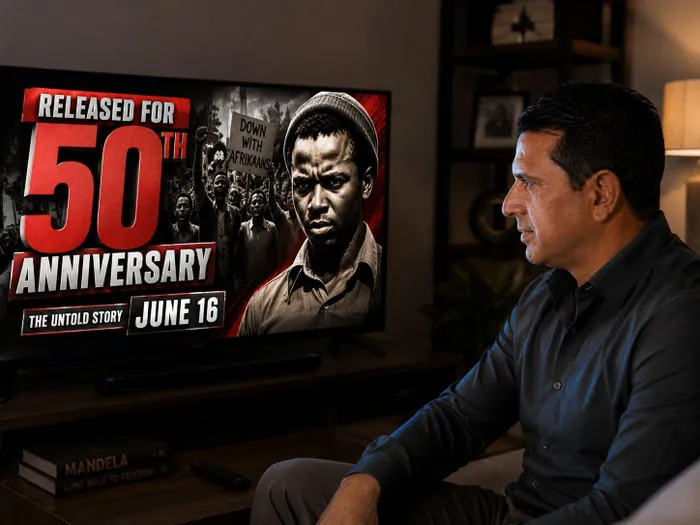
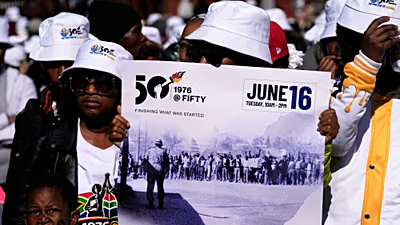
President Cyril Ramaphosa's remarks coincided with Youth Day commemorations, which mark the 1976 Soweto uprising. This solemn occasion remembers a key moment in South African history, during which more than 200 students were tragically killed by apartheid police while protesting against an oppressive education system. The commemorations serve as a powerful reminder of the historical struggles faced by young people in South Africa and the fight for a more equitable society.
Today, young South Africans continue to contend with a new set of formidable challenges. These include persistently high unemployment rates, widespread poverty, and significant inequality, which remain deeply entrenched in society. In addition to these widespread economic and social challenges, the youth also face growing social problems, such as widespread drug and alcohol abuse, which further complicate their prospects and well-being. These ongoing issues contribute to a complex and volatile environment in which anti-migrant sentiment has gained traction, often fueled by frustrations over limited opportunities and resources.
Ramaphosa's Warnings
President Cyril Ramaphosa cautioned against efforts to exploit public frustrations during a recent wave of anti-immigrant unrest and violence across South Africa. He noted the dangers of allowing legitimate grievances to be manipulated for harmful ends. Mr. Ramaphosa firmly rejected claims that the nation's citizens are inherently xenophobic, stating that such characterizations do not reflect the true nature of South Africans. He added that the country has a long and proud history of welcoming people from various parts of the continent, showing a tradition of hospitality and solidarity.
The President stated there appeared to be concerted efforts underway to destabilize South Africa by exploiting legitimate public grievances. These grievances, he indicated, often relate to the pressing socio-economic challenges faced by many South Africans. However, he issued a stern warning against their manipulation for nefarious purposes, which could undermine social cohesion and national stability. Mr. Ramaphosa's remarks showed a broader concern within the government about external influences or internal factions seeking to capitalize on social tensions. His warning noted the potential for such exploitation to exacerbate existing difficulties and undermine national stability, calling for vigilance and unity among citizens.
Migrant Deadline and Opposition
A June 30 deadline, urging migrants without proper documentation to leave South Africa, is rapidly approaching. This significant deadline was prominently promoted by the opposition party ActionSA, contributing to heightened tensions and debates surrounding immigration policy. President Cyril Ramaphosa recently accused some groups of spreading misinformation about the country, particularly concerning migration and its impact. Mr. Ramaphosa stated, "There is a lot of disinformation aimed at tarnishing the image of South Africa," without specifying which groups were responsible for this activity, but implying a deliberate campaign to misrepresent the situation and incite unrest. This ongoing narrative around misinformation adds another layer of complexity to the national discourse on migration.