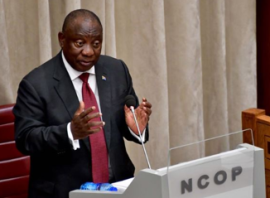
President Cyril Ramaphosa on Thursday, June 25, 2026, cautioned against vigilantism, xenophobia, and what he described as attempts to destabilise South Africa. Ramaphosa issued the warning while responding to questions in the National Council of Provinces (NCOP). The President emphasized the state's responsibility in managing immigration and maintaining law and order, asserting that such actions undermine national stability. His remarks showed the government's stance on unlawful activities and discriminatory practices within the country, particularly concerning foreign nationals and internal security. This strong message from the President aimed to reinforce the principle that all actions related to immigration enforcement must be conducted through official channels and within legal frameworks.
State's Exclusive Authority
President Cyril Ramaphosa affirmed that the enforcement of immigration laws remains the exclusive responsibility of the state. He clarified that no individual has the authority to stop any person to demand documentation or proof of identity or nationality. Ramaphosa showed that all actions related to immigration must be executed within the confines of existing law. The President further stated that such actions must align with South Africa's constitutional values and its human rights culture. His remarks emphasized the government's commitment to orderly immigration management while upholding the rights of all individuals within the country's borders. This principle ensures that due process is followed and prevents arbitrary actions by unauthorized individuals or groups. The President's assertion notes the importance of maintaining a structured and legal approach to immigration matters, reinforcing the state's sole mandate in this critical area.
Government's Full Measures
The South African government has implemented measures to address illegal immigration, including strengthened law enforcement, enhanced border security, and immigration reforms. These efforts are complemented by regional cooperation initiatives, aiming for a holistic approach to managing cross-border movements. The government has also established security and other measures designed to counter any attempts to destabilize the country, whether originating internally or externally. These proactive steps reflect a commitment to national security and public order. Security agencies across South Africa remain on high alert and are prepared to respond to potential threats to public order, according to official statements. This preparedness includes continuous monitoring and intelligence gathering to anticipate and mitigate risks effectively.
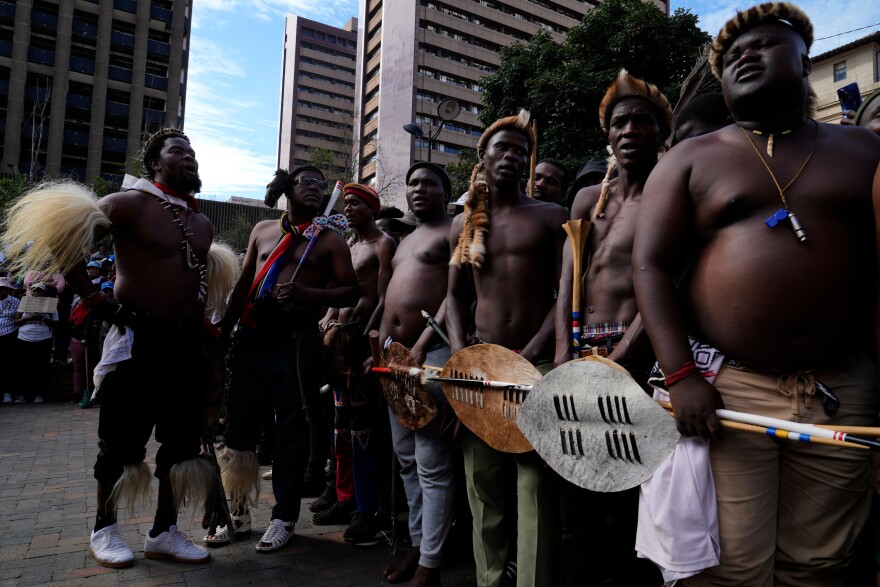
The South African Police Service (SAPS) is collaborating closely with various law enforcement agencies for planned demonstrations scheduled for June 30. This joint effort includes cooperation with metro police departments and private security firms, creating a unified front to manage public gatherings. The National Joint Operational and Intelligence Structure (Natjoints) is in charge of managing potential scenarios related to these planned demonstrations, asserting its authority over security operations. Natjoints plays a key role in coordinating the response of multiple security entities, ensuring a cohesive and effective strategy. Authorities have emphasized that these full measures aim to ensure national stability and the rule of law, protecting both citizens and visitors within the country's borders. The coordinated approach is designed to prevent any disruptions and uphold peace.
Call for Unity and Stability
President Cyril Ramaphosa stated there is no place for sexism, xenophobia, Afrophobia, or any other form of intolerance in South Africa. "There is no place for sexism, for xenophobia, for Afrophobia, or any other form of intolerance," Ramaphosa said. He called on political leaders and communities to collaborate with government and law enforcement agencies to prevent attempts to destabilize the country. Ramaphosa emphasized that leaders across society bear a responsibility to promote calm and stability, fostering an environment of mutual respect and understanding. "As government, we have put in place security and other measures to deal with any attempts to destabilise our country, whether by citizens or foreign nationals, and we will not tolerate any attempts to destabilise the country by anyone, whether marching or otherwise," the President stated, reiterating the government's firm stance against any form of disruption.
South Africa remains committed to upholding human rights and protecting all individuals within its borders, according to President Ramaphosa. "We have also said that responsibility for enforcing our laws rests with the state and the state law, and that no individual may stop any person to demand documentation or proof of identity or nationality," he added, reinforcing the exclusive role of state authorities. Ramaphosa expressed confidence that South Africans are peaceful people who desire peace. "I am a strong believer that South Africans are peaceful people. They are not xenophobic, they are not Afrophobic as well, and they want peace," he affirmed, appealing to the nation's inherent good nature. He warned against any actions that could undermine national order, stressing the consequences for those who defy the law. "Our security forces are ready, and those who transgress the measures that we are putting in place will definitely meet the might of the law," Ramaphosa said. He further noted that the National Joint Operational and Intelligence Structure (Natjoints) is "firmly in charge of what could happen," assuring the public of strong security oversight during any planned events. The President's message was a clear call for unity and adherence to the rule of law, ensuring that all residents feel safe and protected.