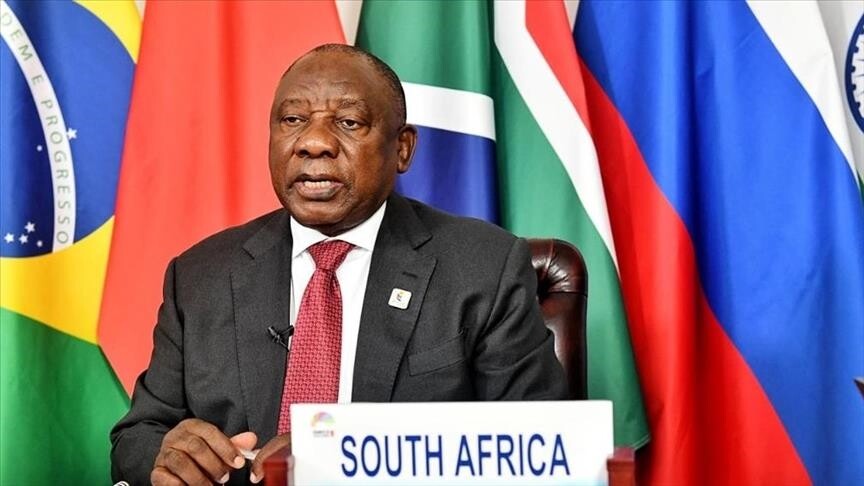
South African President Cyril Ramaphosa on Friday urged citizens to refrain from violence, xenophobia, and vigilantism amidst escalating anti-immigrant protests across the country that have resulted in fatalities. President Ramaphosa stated that authorities are addressing concerns, explaining, "We are strengthening border security, stamping out corruption in the immigration system and closing the loopholes in fragmented immigration laws." His comments come as tensions surrounding immigration continue to fuel demonstrations in various parts of South Africa, marking a period of significant social unrest. The President's call for calm shows the gravity of the situation, as the protests have not only led to property damage but also claimed lives.
Grievances Fueling Unrest
Anti-immigrant groups claim foreign nationals are taking jobs intended for citizens by accepting lower wages, thereby disadvantaging the local workforce. They also allege that immigrants are responsible for committing crimes and placing a strain on social services, including local hospitals and schools, thereby overburdening public infrastructure. Anti-immigration groups estimate that more than 3 million people may be residing in the country illegally. These groups assert that the presence of undocumented individuals exacerbates existing economic and social challenges for South African citizens, contributing to high unemployment and inequality. The perception that foreign nationals are contributing to these domestic issues forms the core of the anti-immigrant sentiment.
Historical Context and Patterns
Waves of xenophobic violence have been occurring in South Africa since 2008, marking a recurring pattern of unrest that periodically flares up across different regions. This long history indicates that underlying social and economic frustrations often manifest in attacks against foreign nationals. Human Rights Watch stated in a report last week that South Africa's deteriorating socioeconomic conditions, including persistent high unemployment and profound inequality, have significantly contributed to growing anti-immigrant activism. These systemic factors are seen as fueling the current tensions, providing fertile ground for resentment and hostility towards migrant communities. The report noted the urgent need for addressing these foundational issues to mitigate future outbreaks of violence.
Government Response and Warnings
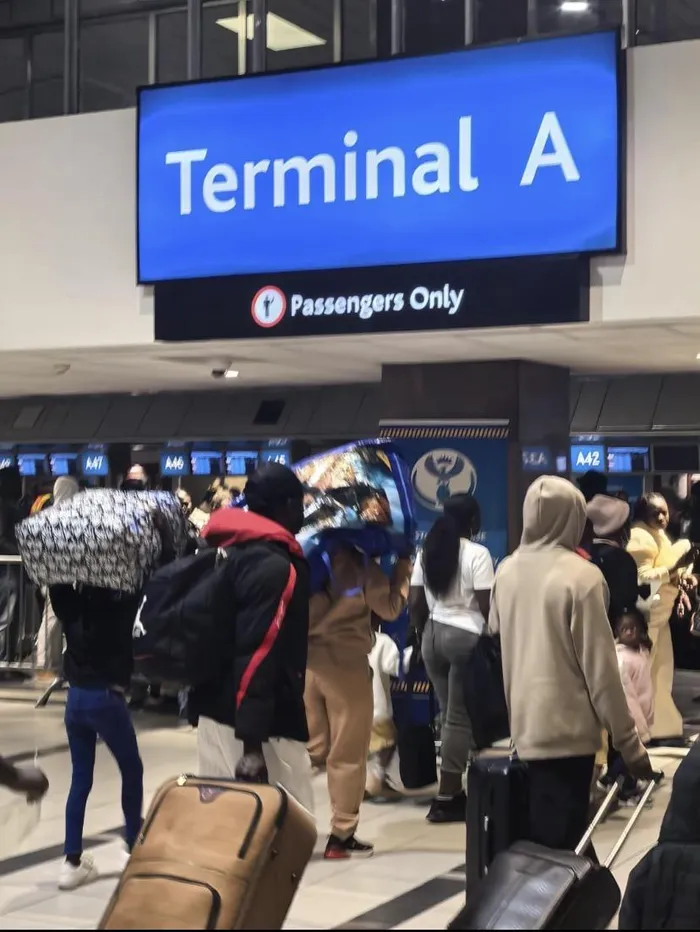
Mozambique reported on Tuesday that five of its nationals had been killed in "xenophobic attacks" in the South African coastal town of Mossel Bay. This incident notes the violent dimension of the unrest and the severe consequences for foreign nationals. However, the South African police stated that only two Mozambican nationals had died during the weekend violence in Mossel Bay in the Western Cape Province, indicating a discrepancy in reported figures. Separately, Ghana repatriated approximately 300 of its citizens from South Africa last month. The repatriation followed an increase in anti-immigrant violence, leading to organized efforts by Ghana to bring its nationals home safely. These actions by neighboring countries show the regional impact of the ongoing anti-immigrant sentiment and protests within South Africa, prompting diplomatic concerns and protective measures from affected nations.
Presidential Call for Order
The South African police's confirmation of fatalities in Mossel Bay, specifically two Mozambican nationals during the weekend violence in the Western Cape Province, further emphasized the deadly nature of these protests. In response to the escalating situation, the West African nation of Ghana on Monday advised its citizens to avoid non-essential travel to South Africa, citing ongoing violence targeting African migrants. This travel advisory from Ghana reflects the serious concerns held by other African nations regarding the safety of their citizens within South Africa. President Ramaphosa's address stressed the importance of upholding the rule of law and protecting all residents, regardless of their nationality, while also acknowledging and aiming to address the legitimate concerns of South African citizens regarding immigration.