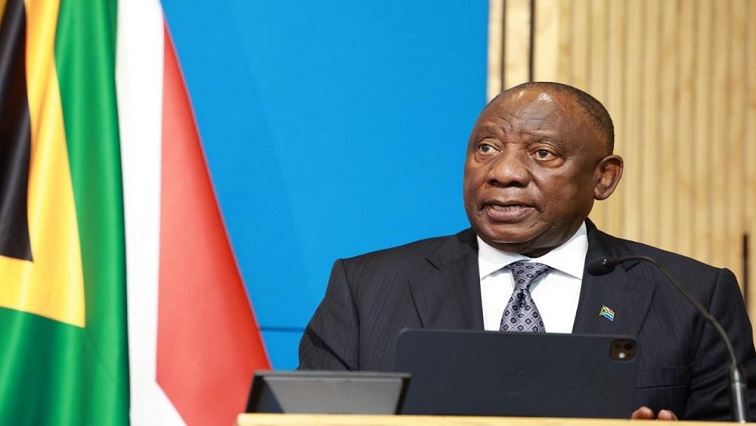
South Africa’s President Cyril Ramaphosa has urged for an inclusive remembrance of all South Africans who served during the First World War (WWI). Ramaphosa emphasized the need to acknowledge the contributions of forgotten soldiers, specifically calling for recognition of the men aboard the SS Mendi and those who formed the SA Native Labour Contingent. His statement advocates for a broader understanding of South Africa's role in the global conflict, noting the diverse sacrifices made by its citizens during that tumultuous period. This call aims to rectify historical omissions and ensure a more complete national narrative.
Honouring All Contributors
President Cyril Ramaphosa stated that South Africa should honor all individuals who contributed to the war effort, regardless of their racial background. Ramaphosa emphasized the importance of acknowledging the diverse roles played by South Africans during the conflict, from combatants to support staff. His call seeks to ensure that the contributions of all servicemen and women are recognized as part of the nation's historical memory, moving beyond previously limited narratives that often overlooked the sacrifices of Black South Africans. This approach aims to provide a more complete and equitable understanding of South Africa's participation in World War I, ensuring that the stories of all those who served are brought to light. The president’s remarks, delivered at 7:48 am, underline a commitment to an inclusive historical perspective that reflects the full spectrum of the nation's involvement and the profound impact the war had on its communities.
Delville Wood Commemoration
President Cyril Ramaphosa delivered his remarks during the commemoration of the Battle of Delville Wood in France. The event honored those who fought in the significant World War I engagement, a battle where South African troops played a key role. His presence at this solemn occasion provided a powerful backdrop for his message of full remembrance. South Africa plans to host the next major commemoration of the Battle of Delville Wood on July 13, 2026. This upcoming event will further emphasize the country's commitment to acknowledging all its citizens' contributions to the global conflict, building upon the themes articulated by President Ramaphosa. The President's participation in France showed the ongoing effort to ensure a full and inclusive historical narrative for South Africa's involvement in the First World War, recognizing the bravery and sacrifice of all its people.
A New Approach to History
President Cyril Ramaphosa's call for a more inclusive historical narrative regarding South Africa's role in World War I reflects a broader effort to acknowledge previously overlooked contributions. This shift aims to ensure that future commemorations and historical accounts provide a full understanding of all South Africans who participated in the conflict, including those who served in non-combatant roles or faced discrimination. The initiative follows a period of reassessment of historical events, seeking to incorporate the experiences of all communities that contributed to the war effort, thereby enriching the national memory. This approach is intended to foster a more complete and equitable national memory of the period, moving beyond traditional narratives that have often focused on a limited segment of the population and failed to fully represent the nation's diverse contributions.
Broader Significance
President Cyril Ramaphosa's call for inclusive remembrance of South Africa's World War I participants signifies a commitment to re-evaluating historical narratives. This broader approach, articulated by the South African leader, aims to ensure that the contributions of all South Africans, including those previously marginalized, are recognized in national memory. The initiative aligns with efforts to provide a more full account of the nation's past, fostering a unified understanding of its role in global events and the sacrifices made by all its people. Such a shift in historical perspective could profoundly influence future commemorative practices and educational curricula in South Africa, reflecting a more representative national identity that acknowledges the full breadth of its history and the diverse experiences of its citizens. This move is seen as essential for building a more cohesive and historically aware society.