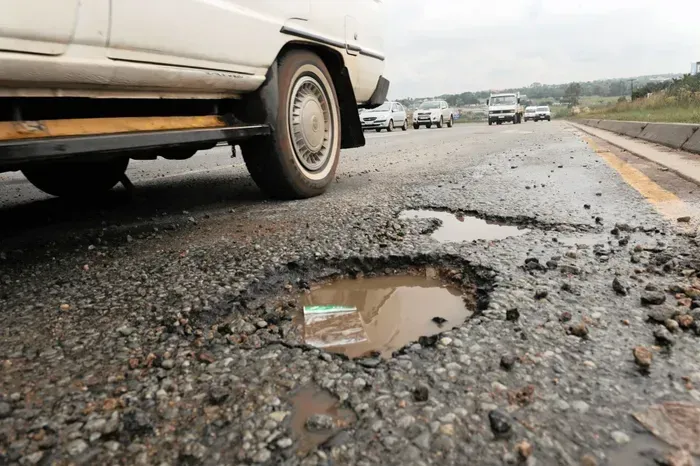
Potholes and crumbling roads remain South Africans’ biggest service delivery headache, with water leaks and electricity faults ranking among the country’s most commonly reported infrastructure complaints, according to new data released by the CityMender app. The digital platform’s findings indicate that these persistent infrastructure issues are a primary concern for citizens across the nation. CityMender's analysis, derived from a significant volume of user-generated reports, notes the widespread and persistent issues citizens face with municipal services across various regions, showing a critical need for improved infrastructure maintenance and responsiveness from local authorities.
App Performance and Resolution Rates
The CityMender app has recorded more than 4,860 service delivery and infrastructure complaints since the beginning of the current year. This substantial volume of reports, accumulated in a relatively short period, notes the significant demand for a dedicated platform addressing municipal issues and reflects a widespread desire among the populace to actively report and seek resolution for infrastructure deficiencies. The sheer number of complaints shows the daily challenges faced by South Africans concerning their essential services.
Of the approximately 4,860 reports logged during this period, around 2,400 have already been resolved or officially closed as fixed, according to data compiled from the platform. This resolution figure indicates that the CityMender platform currently maintains a resolution rate of roughly 50%. This rate reflects the proportion of reported issues that have been successfully addressed or rectified through the app's system, demonstrating a tangible impact on service delivery. The platform's ability to process and facilitate the closure of a substantial number of complaints shows its operational effectiveness in connecting residents with service providers to address infrastructure deficiencies. These reported statistics offer a clear measure of the app's performance in managing and resolving various service delivery challenges across South Africa, providing a transparent look into the progress being made on critical community issues. The 50% resolution rate notes both the app's success in facilitating action and the ongoing magnitude of unresolved issues that still require attention.
Specific Infrastructure Failures Noted
Water leaks and water-related infrastructure faults constituted the second most reported complaint category on the CityMender platform, following only potholes. This indicates a significant concern among residents regarding water wastage and supply integrity. Closely following water issues were electricity outages and streetlight faults, which also ranked highly among the reported infrastructure failures, pointing to widespread challenges in maintaining consistent power supply and public lighting. The platform has initiated efforts to integrate weather-related data with infrastructure complaints to identify potential links between severe weather events and subsequent infrastructure failures. This integration aims to provide a more nuanced understanding of how environmental factors contribute to the degradation of essential services.
A significant water leak in Durban reportedly persisted for nearly a month, drawing attention to prolonged infrastructure issues that can lead to substantial resource loss and inconvenience for communities. During this extended period, it was estimated that close to 290,000 litres of water had been lost from the Durban leak, noting the substantial waste resulting from such unaddressed failures and the environmental and economic impact of delayed repairs. CityMender's analysis indicates that while potholes remain the leading concern, the prevalence of water and electricity-related issues points to broader systemic challenges in maintaining essential municipal services across various sectors. The integration of weather data seeks to provide a more full understanding of the factors contributing to these widespread infrastructure deficiencies, potentially informing predictive maintenance strategies and proactive interventions. The consistent reporting of these issues across different categories shows the ongoing demand for timely and effective service delivery interventions to ensure the functionality and reliability of public infrastructure.
Future Growth and Predictive Insights
Keyuren Maharaj founded CityMenderSA last year, driven by frustration with existing service delivery processes and a desire to create a more efficient reporting mechanism for citizens. Maharaj stated, "When we launched CityMender in South Africa, the goal was simple: make it easier for people to report infrastructure problems and track what happens next. What we didn't realise at the time was that every report was also creating valuable infrastructure data." This recognition of the data-generating potential of user complaints has become a cornerstone of the platform's long-term vision. Maharaj added that nearly 5,000 reports later, the platform is "beginning to understand patterns that simply weren't visible before." These findings are contributing to the development of what is believed to be South Africa's first independent predictive infrastructure intelligence model. This innovative model aims to leverage the vast dataset of real-world service delivery information collected directly from communities to anticipate future infrastructure failures and inform preventative maintenance.
According to Maharaj, this model utilizes real-world service delivery data collected directly from communities, offering an unprecedented, ground-up perspective on infrastructure health. CityMender’s expansion into Namibia is scheduled to officially launch on June 1, marking a significant step in the platform's growth and its mission to address infrastructure challenges beyond South African borders. This expansion reflects the universal nature of infrastructure issues and the potential for the CityMender model to be replicated in other developing economies. Maharaj commented on the broader implications of the platform's work, stating, "Africa's future will depend heavily on how well we maintain, manage and invest in infrastructure. If CityMender can play even a small role in helping communities better understand those challenges and opportunities, then we believe the impact could extend far beyond a single municipality or even a single country." This forward-looking perspective notes the potential for data-driven solutions to foster more resilient and sustainable urban environments across the continent.