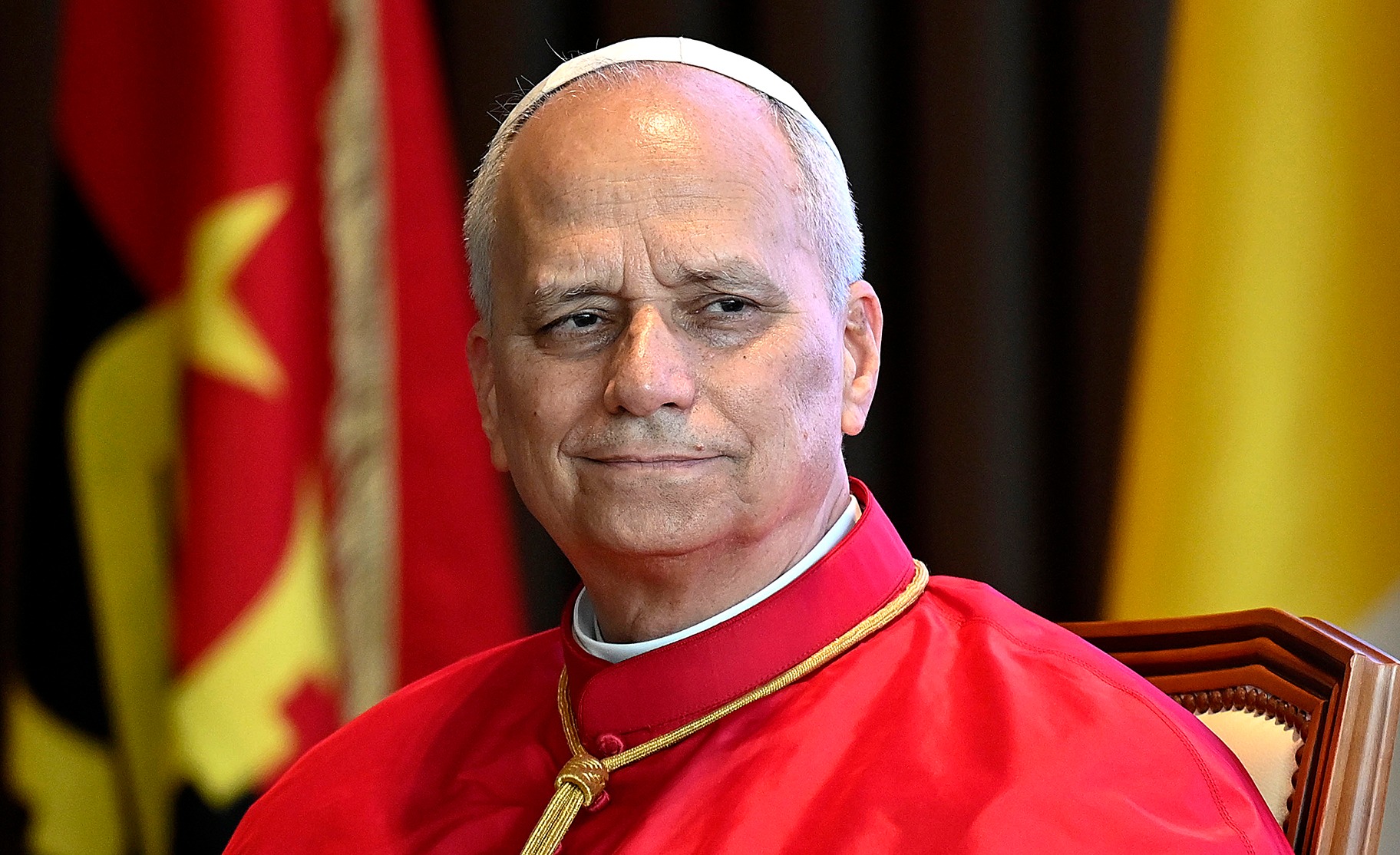
Pope Leo XIV issued an encyclical letter titled "Magnifica Humanitas" on May 15, 2026, addressing global inequality and the ethical implications of technology, with particular relevance to nations like South Africa, which has one of the highest Gini coefficients in the world. The Pope, who was elected on May 8, 2025, stated that technology "has significantly improved the living conditions of humanity," but also noted that "each phase of progress has also revealed the ambiguity of tools that can cause harm when not oriented towards the good." Pope Leo XIV emphasized that "technology is never neutral, because it takes on the characteristics of those who devise, finance, regulate and use it." He added that "AI developers bear a particular ethical and spiritual responsibility, for every design choice reflects a vision of humanity," and that new forms of property, including patents and digital platforms, should be universally intended for everyone.
Historical Context and Foundations
A historical precedent for the Church's engagement with socio-economic issues dates back to 1891, when Pope Leo XIII published the encyclical "Rerum Novarum." This document addressed the conditions of the working classes, advocating for fair wages, labor unions, and the right to private property while also critiquing both unfettered capitalism and socialism. "Rerum Novarum" established a foundation for modern Catholic social teaching, emphasizing human dignity and the common good in the face of industrialization's challenges. It defined the Church's role in speaking on economic justice and the moral dimensions of social organization. This earlier encyclical showed the importance of balancing individual rights with social responsibilities, and it called for state intervention to protect vulnerable populations when necessary. The principles articulated in "Rerum Novarum" have since influenced a succession of papal teachings on social issues, including those concerning inequality and technological advancement. These teachings consistently emphasize that economic systems must serve humanity and uphold justice, rather than prioritizing profit or technological progress without ethical consideration.
The Encyclical's Core Arguments
Pope Leo XIV's encyclical "Magnifica Humanitas" articulates that technology "should not be considered, in itself, as a force antagonistic to humanity," stating that "it has significantly improved the living conditions of humanity." However, the encyclical also notes that "each phase of progress has also revealed the ambiguity of tools that can cause harm when not oriented towards the good." Pope Leo XIV emphasized that "Technology is never neutral, because it takes on the characteristics of those who devise, finance, regulate and use it," and that "AI developers bear a particular ethical and spiritual responsibility, for every design choice reflects a vision of humanity." The Pontiff added that "among the goods that are universally intended for everyone, we must also include new forms of property, such as patents, algorithms, digital platforms, technological infrastructure and data."
The encyclical also addresses the communal nature of human flourishing, referencing the South African concept of ubuntu (_umuntu ngumuntu ngabantu_). This principle, which posits that a person is a person through other people, shows the encyclical's call for solidarity. The document notes that "the main drivers of AI development are private, often transnational corporations," raising concerns about the concentration of power and resources in the hands of a few. Pope Leo XIV stated that "the church does not claim to assume the functions belonging to the State," but affirmed that "when the dignity of our brothers and sisters is violated, when politics fails to address the tragedies of humanity, when the economy turns against the person or science oversteps the limits of its competence, the Church – together with other Christian denominations and believers of other religions – must make her voice heard, not in order to dominate, but to promote communion." He condemned "the idolatry of profit that sacrifices the weak, uniformity that neutralises differences and the pretence that a single language – a digital one – can translate everything, including the mystery of the person, into data and performance."
"Magnifica Humanitas" challenges the church's traditional teaching on just war, with Pope Leo XIV declaring that "Today, more than ever, without prejudice to the right to self-defence in the strictest sense, it is important to reaffirm that the ‘just war’ theory, which has all too often been used to justify any kind of war, is now outdated." The encyclical contends that "humanity possesses far more effective and capable tools for promoting human life and resolving conflicts, such as dialogue, diplomacy and forgiveness." Pope Leo XIV also condemned "the evolution of nuclear arsenals," stating, "To disarm does not mean rejecting technology, but preventing it from dominating humanity."
Navigating Technology and Human Dignity
The Fourth Industrial Revolution is already present in South Africa and will either deepen or alleviate existing inequalities, according to the encyclical. The document suggests that the integration of advanced technologies, such as artificial intelligence and automation, holds the potential to exacerbate socio-economic disparities if not managed ethically and inclusively. Conversely, it could also offer pathways to greater equity if intentionally oriented towards human development and social justice.
Pope Leo XIV’s encyclical promotes a "civilisation of love" as an alternative to a logic driven by technological dominance. This vision emphasizes human dignity and solidarity over unchecked technological advancement or profit-driven innovation. The encyclical calls for technology to be developed and utilized in a manner that serves the common good, fosters human connection, and respects the inherent worth of every individual, standing in opposition to systems that might prioritize efficiency or control above humanitarian concerns.