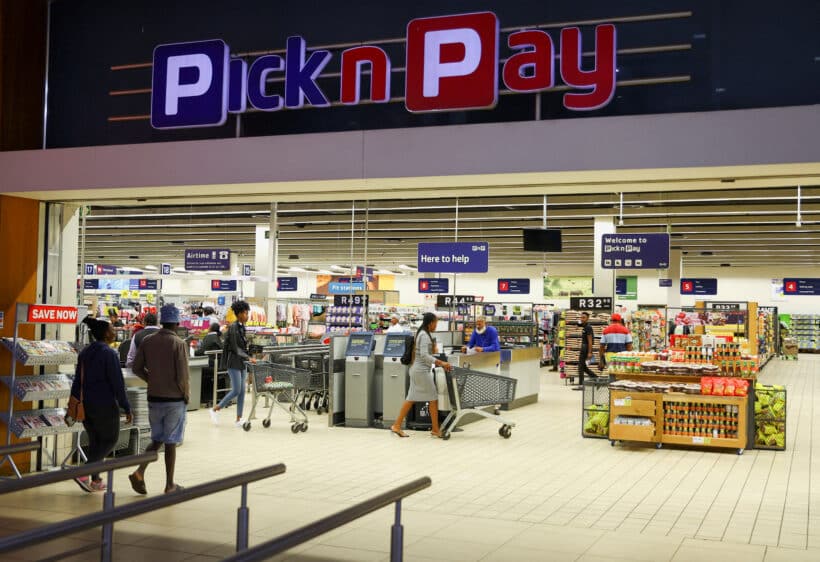
Pick n Pay reported a turnaround to group profit for the 52-week period that ended March 1, seeing profit before tax and capital items increase to 360 million rand from a previous loss of 237 million rand. This financial improvement comes as the South African retailer adjusts its financial projections for its core business. Pick n Pay's break-even target for its core operations has been moved back by one fiscal year, now anticipated for fiscal 2029 instead of the previously projected 2028. The shift indicates a revised timeline for the core business to achieve profitability.
Mixed Financial Performance
Core Pick n Pay’s trading loss after lease interest widened to 2 billion rand ($123 million) in the 52 weeks to March 1, indicating ongoing challenges within the primary brand. Despite this, the group's overall financial health showed some improvement. The headline loss per share narrowed by 14.6% to 52.58 cents, reflecting a reduction in losses attributable to shareholders.
Group turnover, a key measure of sales activity, edged up 1% to 120 billion rand during the period. This modest increase suggests a stable, albeit slow, growth in overall revenue for the retail giant across its various operations. The financial results highlight a mixed performance, with the core Pick n Pay brand facing increased losses while the group as a whole saw some positive shifts in profitability metrics and topline growth.
Boxer Drives Group Success
Boxer, Pick n Pay's discount supermarket chain, played a significant role in the group's overall profit turnaround. The segment demonstrated strong growth, with Boxer's sales rising 9.6% during the 52-week period that concluded on March 1. This performance underpinned the group's ability to achieve a profit before tax and capital items of 360 million rand, contrasting with a loss of 237 million rand in the prior year. The strong showing from Boxer helped mitigate the widening trading losses experienced by the core Pick n Pay brand, which saw its trading loss after lease interest increase to 2 billion rand. Boxer's continued expansion and appeal to value-conscious consumers contributed substantially to the group's adjusted financial position, helping to stabilize the broader enterprise amidst challenges in other areas of the business.
Core Business Challenges
Pick n Pay’s core brand experienced a 3.7% decline in sales during the 52 weeks ending March 1. This decrease was primarily attributed to strategic store closures and the conversion of some Pick n Pay stores into the Boxer format. The retailer has been implementing a turnaround strategy that involves optimizing its store portfolio, including exiting underperforming locations and reallocating resources to its more successful discount formats. These operational adjustments, while intended to improve long-term profitability, contributed to the immediate reduction in sales for the primary Pick n Pay brand. The company aims to consolidate its market position by focusing on efficiency and the performance of its remaining core stores.
Market Reaction and Future Steps
Pick n Pay shares experienced a decline, falling 7.56% by 0915 GMT following the release of the financial results. The group also initiated consultations this month regarding modifications to its store labour model. This move signals potential operational adjustments as the retailer continues its turnaround efforts.