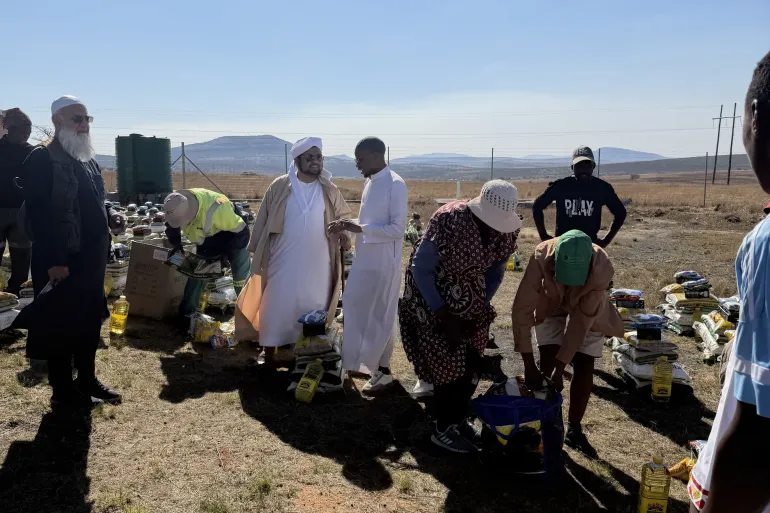
Zwelibi Jack Ngubane, a 105-year-old resident of Nquthu, KwaZulu-Natal, passed away having requested to be buried as a Muslim, noting an instance of interfaith harmony in South Africa. Ngubane, who died at the advanced age of 105, converted to Islam late in life after observing the faith of his young grandson, Khethukuthula Dlame, according to reports. Dlame, now 26, remains one of only a handful of Muslims known in his village, showing the minority status of the faith in this particular rural setting. This local acceptance, exemplified by Ngubane's posthumous wish and his community's respect for it, stands in stark contrast to online posts that question Muslims' belonging in the country and often portray them in a negative light. The narrative surrounding Ngubane's conversion and burial offers a powerful local counterpoint to the often-divisive discourse found on digital platforms.
Online Accusations and Fears
Zwelibi Jack Ngubane's funeral in Nquthu, northern KwaZulu-Natal, was conducted according to Muslim burial rites, a poignant local event contrasting sharply with online narratives circulating across South Africa. These digital platforms frequently host discussions that depict Muslims as a threat to the nation's social and cultural fabric. Online posts have frequently accused Muslims of attempting to take over the country, portraying their presence as a calculated move rather than an integrated part of the national fabric. This rhetoric often questions Muslims' belonging in the country, suggesting they are outsiders with ulterior motives. These accusations often extend to specific claims against Muslim organisations, painting a picture of a community engaged in covert operations rather than charitable work.
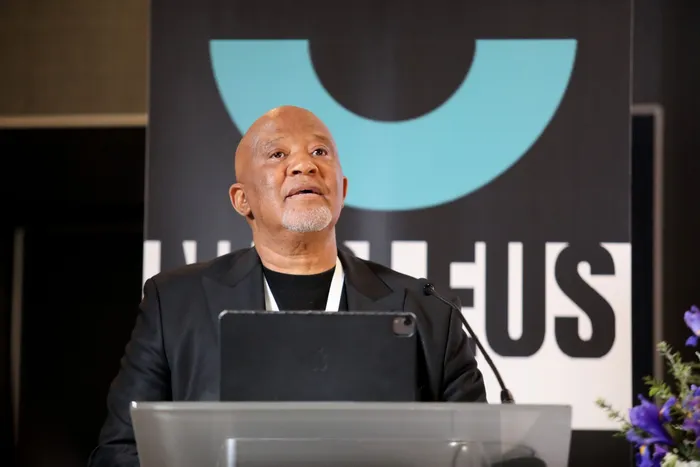
Certain online rhetoric alleges that Muslim charities and aid groups exploit poverty to convert Black South Africans to Islam. These posts suggest a coordinated effort to increase the Muslim population through social welfare initiatives, framing humanitarian efforts as proselytization tactics. Moulana Sulaiman Ravat, a prominent voice in the Muslim community, warned against dismissing such online discourse as mere fringe opinions. He stated that online rhetoric, even if seemingly isolated, can influence attitudes over time, asserting that complacency about what he termed the 'Islamophobia project' is dangerous. Ravat's concerns highlight the potential for digital narratives to shape public perception and foster prejudice, even if they don't immediately translate into widespread real-world animosity. The spread of these online accusations contributes to a climate of fear and suspicion, despite instances of interfaith harmony observed at a local level, creating a significant disconnect between digital rhetoric and lived experiences.
Local Realities of Coexistence
Nquthu, a rural area located in northern KwaZulu-Natal, predominantly adheres to Christianity and traditional African belief systems, with Muslims representing a very small minority within its population. This demographic reality means that residents in these areas often encounter Muslims primarily through commercial interactions rather than as neighbours or community members, limiting direct personal exposure to the faith. Samukelisiwe Ngubane, a resident of Nquthu, described her initial contact with Muslims as being through Indian shopkeepers in a nearby town. She noted that these interactions have been consistently positive, stating, "We have never had a problem. Some people are curious about what they [Muslims] do, but there have been no problems." This sentiment reflects a general acceptance and lack of conflict at the local level despite the limited exposure many residents have to the Muslim faith, indicating that direct interaction tends to foster understanding.
Khethukuthula Dlame's personal experience further illustrates this local harmony. Dlame, who converted to Islam in 2012 as a teenager, has lived as a Muslim within his community for over a decade. His conversion and continued practice of Islam have been met with understanding rather than hostility, contrasting sharply with online narratives that often portray Muslims as outsiders or threats. Dlame, now 26, is one of only a handful of Muslims known in his village, making his integration into the community particularly notable. He emphasized the prevailing atmosphere of mutual regard, stating, "In these communities, there’s harmony and respect. People really respect my religion." His account suggests that direct, interpersonal interactions often foster an environment of acceptance that online discussions frequently lack, demonstrating that local experiences can significantly diverge from online portrayals.
The lived experiences in places like Nquthu present a different picture from the often-contentious online discourse surrounding Muslims in South Africa. While digital platforms host discussions that question the place of Muslims in the country and accuse them of ulterior motives, the daily realities in many communities demonstrate a practical coexistence. The distance between the online conversation and life in communities such as Nquthu remains significant, noting a disparity between digital rhetoric and local social dynamics. This local perspective shows a different reality where religious differences are often navigated with respect and without the conflict suggested by certain online narratives, even in areas where Muslims are a tiny minority.
Expert Views on Islamophobia
Moulana Sulaiman Ravat cautioned that while an increase in Islamophobia in South Africa might be unlikely given the country's history of religious tolerance, it is not impossible for such a trend to lead to serious consequences. He stressed that even if not immediately apparent, the insidious nature of online prejudice can gradually erode societal harmony. However, other experts offer a different perspective on the prevalence of organized anti-Muslim sentiment. South African political analyst and journalist Thembisa Fakude stated, "I’ll argue that there is no widespread or any orchestrated, well-planned Islamophobia directed towards Muslims. We don’t have that." This view suggests that while individual instances of prejudice may exist, a coordinated, national campaign against Muslims is not a defining characteristic of South African society.
Ravat himself acknowledged a general acceptance of Muslims within South African society, despite his warnings about online rhetoric. "At the same time, I think on the ground, South Africans in the main are not Islamophobic, and there’s a variety of indicators to substantiate that," he stated. He further emphasized the dual identity of many Muslims in the country, noting, "I would think I would say they are deeply religious and deeply patriotic, and there is no contradiction between the two." This perspective is exemplified by his own family, as Ravat's children represent the fifth generation of South African Muslims of Indian heritage, illustrating a deep-rooted connection to both their faith and their nation. This long-standing presence and integration serve as a powerful counter-narrative to claims of Muslims being outsiders.
The sentiment that organized anti-Muslim prejudice is not a grassroots phenomenon is echoed by individuals like Khethukuthula Dlame. Dlame, a Muslim convert from a rural community, expressed his belief that orchestrated hate towards Muslims is not emerging from rural communities themselves but from people in cities and hostels. This observation suggests a disconnect between urban-generated online narratives, which can often be amplified in specific social environments, and the lived experiences in more traditional, rural settings where direct interpersonal relationships often mitigate prejudice. These expert and personal accounts show a distinction between online expressions of prejudice and the broader societal attitudes observed across South Africa, pointing to a more nuanced reality than what is often portrayed in digital spaces.
Demographics and Historical Context
South Africa's 2022 census recorded fewer than one million Muslims, representing approximately 1.6 percent of the total population. This official figure positions Muslims as a small minority within the diverse religious landscape of the country. While census data indicates a small minority, some leaders within the Muslim community estimate the population to be significantly higher, between two million and five million people, suggesting potential undercounting or differing methodologies in population assessment. Regardless of the exact figures, Islam established its presence in the country centuries ago, far predating the modern South African state. Muslims arrived from Asia and the Indian Ocean world due to enslavement and political exile during Dutch colonial rule from the 17th century. This historical presence, stretching back over 300 years, firmly roots Islam within the fabric of South African society, challenging any narrative that portrays Muslims as recent arrivals or foreign elements. Their long history in the country, contributing to its development and culture, further notes the disparity between historical fact and the often-misinformed online rhetoric.