Money Desk
October fuel hikes deepen household cost pressure
South African fuel prices surged in October 2026, with petrol and diesel hikes expected to increase transport costs and pressure household budgets.
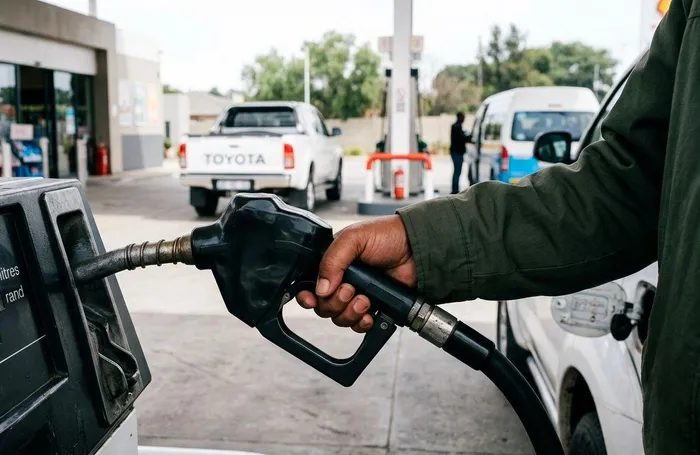
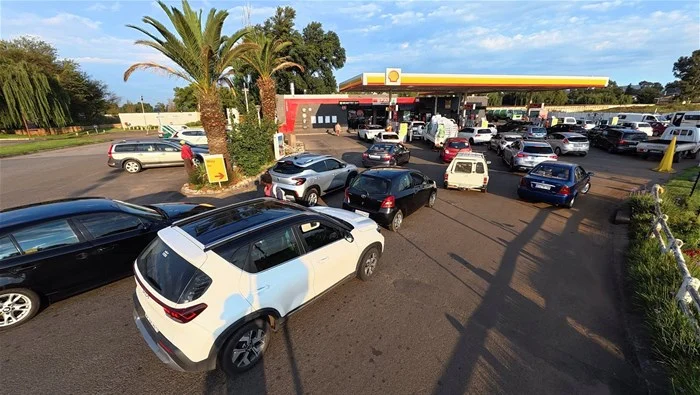
Fuel prices rose on Wednesday 7 October. The Department of Mineral and Petroleum Resources raised 95 petrol by 333 cents a litre to R30.25 in Gauteng and 93 petrol by 312 cents, while wholesale diesel went up by 284.38 cents a litre (0.05% sulphur) and 324.38 cents (0.005%). Two days earlier, IOL had reported Central Energy Fund projections of about R3.18 a litre for petrol and R3.15 for 50ppm diesel.
| Fuel grade | Increase from 7 October | Price from 7 October (Gauteng) |
|---|---|---|
| Petrol 95 | 333 c/l | R30.25/l |
| Petrol 93 | 312 c/l | R29.88/l |
| Diesel 0.05% (wholesale) | 284.38 c/l | R31.95/l |
| Diesel 0.005% (wholesale) | 324.38 c/l | R32.80/l |
| Illuminating paraffin (wholesale) | 358 c/l | R24.47/l |
Government Relief
Mineral and Petroleum Resources Minister Gwede Mantashe said in September that there were no immediate plans to cushion households and businesses from rising fuel costs. The government had also indicated that it did not plan temporary tax relief, as it did in April, when the General Fuel Levy was cut by at least R3 a litre for two months. Since then, Parliament's Select Committee on Appropriations has adopted the Special Appropriation Bill, which authorises the National Treasury to withdraw R10bn from the National Revenue Fund for the Department of Mineral and Petroleum Resources to help stabilise fuel prices, Bizcommunity reported on 12 October.
Freight Costs Face Pressure
Fuel accounts for about 35% to 55% of road-freight companies’ operating costs, according to the Road Freight Association. Based on the September diesel increase, the association estimated that freight operating costs could rise by around 4% to 6%.
Household Budgets Already Strained
PayInc data shows average take-home pay rose from R21,399 in March to R21,622 in August, an increase of just over 1%. In real terms, average take-home pay in August was R20,164, 2.6% lower than a year earlier.
| Measure | Earlier | Latest |
|---|---|---|
| Average take-home pay, PayInc | R21,399 (March 2026) | R21,622 (August 2026) |
| Respondents spending more than 40% of take-home pay on debt repayments, DebtBusters | 48% (last year) | 53% (2026) |
DebtBusters’ 2026 Money-Stress Tracker, based on almost 18,000 respondents, found that 53% were spending more than 40% of their take-home pay on debt repayments, up from 48% last year.
Before the adjustment, Annabel Bishop, chief economist at Investec, said the October increases would likely push CPI inflation towards 5.0%, potentially fuelling another interest rate hike in November. “The persistence of the oil price shock has had a negative impact on real incomes, with upward pressure on headline (CPI) inflation, and October’s fuel prices are now to exceed the highs of Q2.26, with debt levels increasing further for consumers,” Bishop said.