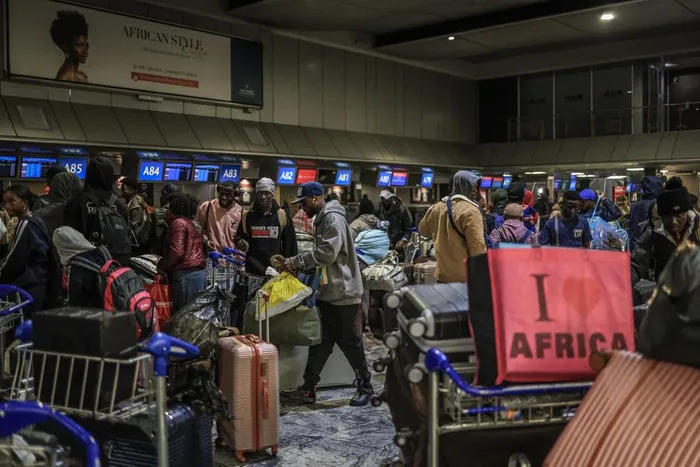
Nigeria has postponed the planned evacuation of its citizens from South Africa until Wednesday, the Federal Government confirmed. The decision comes as the West African nation works to repatriate its nationals amidst ongoing concerns. The airlift operation, which was initially expected to take place on Monday, has been delayed due to logistical considerations. These considerations encompass various aspects of coordinating a large-scale international repatriation effort. Screening for Nigeria's voluntary repatriation scheme began last week Thursday, identifying citizens wishing to return amidst ongoing concerns regarding their safety and well-being in South Africa. The scheme aims to facilitate the safe return of Nigerians who have expressed a desire to leave the country.
Evacuation Details and Numbers
President Bola Ahmed Tinubu approved five evacuation flights for Nigerian nationals in South Africa, showing the government's commitment to the repatriation process. The West African country is planning to repatriate more than 1,000 of its nationals from the country, reflecting the significant number of citizens affected by the prevailing conditions. To date, more than 500 people wishing to leave South Africa have already been screened and cleared for the voluntary repatriation scheme. This screening process ensures that all individuals meet the criteria for repatriation and facilitates a smooth departure. The first flight is now expected to transport over 270 passengers. This initial group comprises individuals who have undergone the necessary screening process and are prepared for their journey back to Nigeria. The full plan involves multiple flights to accommodate all registered individuals.
Reasons for Delay
The postponement of the evacuation flights for Nigerian nationals from South Africa stems primarily from logistical issues. The initial schedule aimed for the first airlift on Monday, but the Federal Government confirmed a delay until Wednesday. This adjustment impacts the repatriation efforts for over 1,000 Nigerian citizens who have expressed a desire to leave South Africa. The voluntary repatriation scheme, which began screening individuals last Thursday, has already cleared more than 500 people for departure. These individuals have completed the necessary checks and are awaiting their flight. The first flight is now expected to transport over 270 passengers, comprising those who have completed the necessary screening processes. The delay shows the complexities involved in coordinating large-scale international repatriations, including securing flight slots, processing documents, and ensuring the readiness of all evacuees. The Nigerian government is working diligently to resolve these issues to ensure the safe and efficient return of its citizens. The welfare of its nationals remains a top priority throughout this complex operation.
South Africa's Broader Context
South Africa currently faces an unemployment rate exceeding 30%, according to official statistics. This high unemployment rate contributes to various socio-economic challenges within the nation. The nation is home to over three million foreign residents, who constitute 5.1% of its total population. This significant foreign population plays a role in the country's economic and social fabric. A significant majority of these foreign nationals, more than 63%, originate from countries within the 16-member Southern African Development Community (SADC) bloc, noting regional migration patterns. The presence of such a large foreign population, coupled with high unemployment rates, has been a factor in various social and economic discussions within the country, often leading to tensions and challenges related to resource allocation and job opportunities. These underlying socio-economic conditions form the broader context in which the current repatriation efforts are taking place.