The New Development Bank (NDB) and the South African Government formalized two loan agreements totaling US$405 million. These agreements were signed to finance critical infrastructure projects within the country. The combined value of these loan agreements, amounting to US$405 million, shows a significant investment in national development. The funding is specifically designated to support the development of the Limpopo Central Hospital Project and the Magalies Bulk Water Supply Scheme. These initiatives aim to bolster healthcare facilities and improve water provision across various regions, addressing fundamental needs for South African citizens.
Hospital and Water Scheme Details
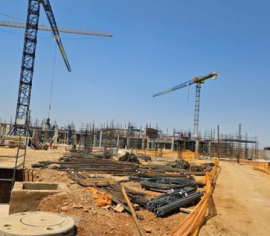
The New Development Bank (NDB) has allocated a US$200 million loan to support the Limpopo Central Hospital Project. This substantial financial commitment will facilitate a significant upgrade in healthcare infrastructure. This initiative involves the construction of a new 488-bed tertiary central hospital in Polokwane, which will feature advanced facilities and significantly expand the region's medical capacity. The hospital project in Polokwane is expected to significantly upgrade healthcare services in the Limpopo province, providing advanced medical facilities to a broad population and improving health outcomes for residents.
Separately, the NDB is providing US$205 million for the Magalies Bulk Water Supply Scheme. This project is a key undertaking to enhance water security in the affected areas. The water scheme is designed to improve reliable access to drinking water and foster inclusive growth across both the North West and Limpopo provinces. This investment is vital for sustainable development and public health.
The Magalies Bulk Water Supply Scheme specifically targets several municipalities currently experiencing water shortages. These include Bela-Bela, Modimolle-Mookgophong, Mogalakwena, Moretele, Moses Kotane, and Rustenburg. The project aims to address critical infrastructure gaps in these areas, ensuring a more consistent and sustainable water supply for residents and supporting regional development. By improving water access, the scheme seeks to enhance living conditions and support economic activities in these communities.
Loan Terms and Borrowing Strategy
Both loans extended by the New Development Bank (NDB) feature a maturity period of 10 years. This period includes a four-year grace period before repayment commences, providing the South African Government with flexibility in managing its financial obligations. The interest rate for these loans is set at daily SOFR plus 0.93508%, reflecting standard financial terms for such development projects. These terms are designed to be favorable for long-term infrastructure investment.
NDB's project loans, combined with financing secured from other multilateral development partners, have enabled the Government of South Africa to fulfill its foreign currency borrowing requirement for the 2026/27 fiscal year. This requirement totals US$3.2 billion, noting the significant role of the NDB in the country's financial strategy. The successful securing of these funds demonstrates a strategic approach to managing national finances and ensuring the availability of capital for essential projects.
Government's Infrastructure Push
The financing from the New Development Bank forms part of the South African Government’s broader efforts to strengthen public health and water infrastructure. These initiatives are central to the government's strategy for enhancing essential services across the country and improving the quality of life for its citizens. The focus on both healthcare facilities, such as the Limpopo Central Hospital Project, and critical utilities like the Magalies Bulk Water Supply Scheme, shows a commitment to addressing fundamental development needs. This strategic investment aims to create strong and resilient infrastructure that can support communities for decades to come. By channeling resources into these key sectors, the government aims to improve living standards, promote inclusive growth, and foster sustainable development for its citizens, ensuring a better future for all.