The Mozambican government announced late on Monday that five of its citizens died during "xenophobic attacks" in South Africa over the weekend. The government confirmed these deaths in an official statement, specifying that the individuals were killed as a direct result of the violence that erupted. The statement from the Mozambican government noted the grave concern over the safety of its nationals residing in or traveling through South Africa. These tragic incidents took place in Mossel Bay, a coastal town located approximately 380 kilometers east of Cape Town in the Western Cape Province, a region known for its scenic beauty but now marred by these violent events.
Details of Violence and Repatriation
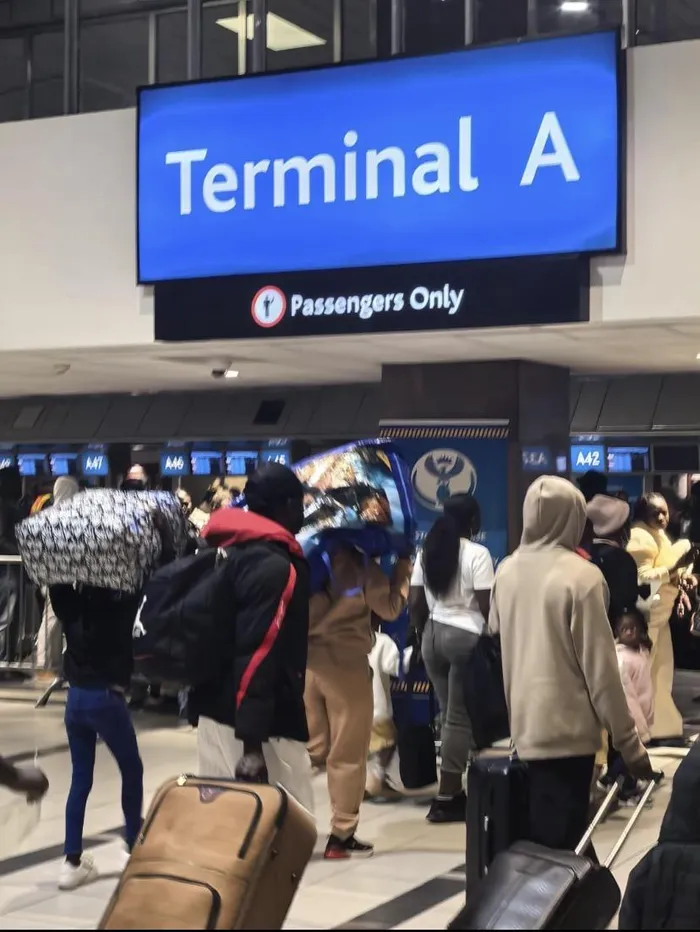
Beyond the direct casualties of the attacks, the Mozambican government also reported additional losses. Two individuals died in a road accident while traveling in a private vehicle back to Mozambique, showing the perilous journeys undertaken by those seeking to escape the unrest. In the immediate aftermath of the violence, a significant number of Mozambican citizens sought to return home. On Saturday, approximately 300 Mozambican citizens returned to their home country using their own transportation, reflecting a rapid and urgent exodus. The process of repatriating affected Mozambicans was officially underway as of June 1, with authorities coordinating efforts to assist those displaced by the violence.
The scale of the displacement was considerable, as around 800 Mozambican nationals were caught up in the violence that erupted in the southern coastal city of Mossel Bay on Friday. For their safety and protection, the remaining just over 500 of those affected have since been sheltered in a secure location within the Western Cape Province. These temporary shelters provide a safe haven while arrangements are made for their return to Mozambique. South African police are currently investigating the deaths of two men at an informal settlement in Mossel Bay, directly linked to the recent unrest. These investigations aim to ascertain the full circumstances surrounding the fatalities and bring those responsible to justice.
Context of Anti-Immigrant Sentiment
Anti-immigrant sentiment has surged to historic levels in South Africa in recent months, creating a volatile environment for foreign nationals. Despite this growing animosity, foreigners constitute only four per cent of the national population, a statistic that often gets overlooked in the rhetoric surrounding immigration. Foreign workers in the country are often more inclined to undertake jobs that South Africans are less willing to do, or to establish their own businesses, thereby contributing to the economy in distinct ways. Data indicates that 21 per cent of foreign workers are self-employed, while 11 per cent are employers, showcasing their entrepreneurial spirit and contribution to job creation.
South Africa has experienced recurring waves of xenophobic violence since 2008, with incidents often targeting foreign nationals from various African countries. These attacks frequently involve local residents accusing immigrants of taking jobs and contributing to crime, despite economic analyses often noting the complementary role of foreign labor rather than a competitive one. The latest incidents in Mossel Bay are a stark reminder of the persistent challenges faced by foreign nationals in the country and the deep-seated tensions that periodically erupt into violence. These recurring episodes of unrest show a complex socio-economic landscape where historical grievances and current hardships are often misdirected towards immigrant communities.
Official and Activist Reactions
The Mozambican government's statement late on Monday served as a critical update on the situation and noted their commitment to supporting their citizens. The ongoing investigations by South African police into the deaths in Mossel Bay are a key step towards accountability and justice for the victims and their families. Meanwhile, the citizen-led group March and March has issued an ultimatum, demanding that illegal migrants be expelled from the country by June 30. This demand reflects the heightened anti-immigrant sentiment present in certain segments of South African society, adding further pressure to an already tense situation. The actions and demands of such groups often fuel the rhetoric that can escalate into violence, making the situation particularly challenging for both authorities and foreign nationals. The international community continues to monitor these developments closely, urging for peace and protection of all residents.