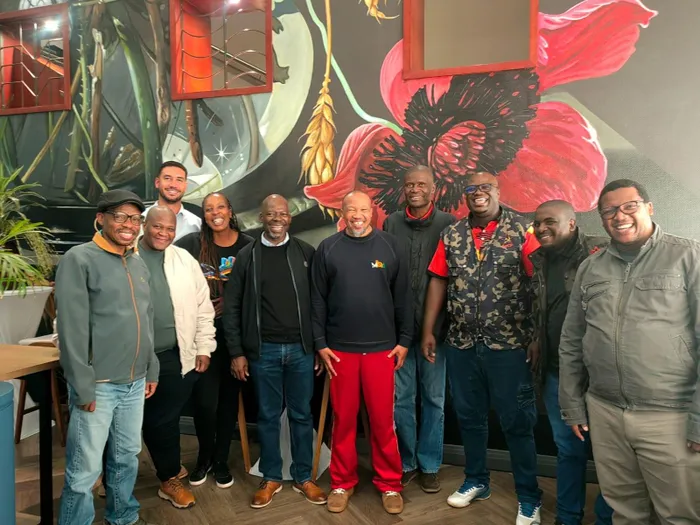
The Advocate Busisiwe Mkhwebane Foundation has formally requested US authorities to investigate President Cyril Ramaphosa concerning the Phala Phala scandal. The foundation urged relevant US agencies to initiate a formal investigation, and pursue criminal prosecution and civil or criminal forfeiture. The Advocate Busisiwe Mkhwebane Foundation stated, "This report identifies, with specificity, the provisions of title 18 and title 31 of the United States code that appear to have been violated." The foundation has asked US authorities to investigate President Cyril Ramaphosa over the Phala Phala scandal, believing that violations of US code have occurred in connection with the transportation, receipt, and concealment of a substantial volume of US currency at Ramaphosa’s private game farm in Bela-Bela, Limpopo.
The foundation further asserted, "The foundation respectfully requests that the relevant agencies initiate a formal investigation and, where the evidence so warrants, pursue criminal prosecution and civil or criminal forfeiture." It also pointed out that any lawful cross-border movement of currency in such a volume would have required compliance with South African exchange control regulations, customs declarations, and tax reporting, adding, "No such compliance occurred." The Advocate Busisiwe Mkhwebane Foundation concluded by saying, "To date, no lawful account of the origin, transportation, or tax treatment of the US dollars has been provided." This claim shows the foundation's argument that the circumstances surrounding the Phala Phala incident warrant external scrutiny.
The Allegations and Legal Basis
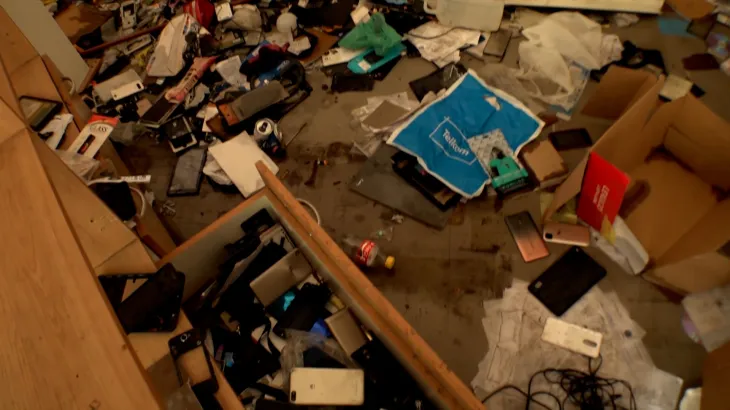
The Advocate Busisiwe Mkhwebane Foundation (BM Foundation) claims that violations of US code occurred in connection with the transportation, receipt, and concealment of a substantial volume of US currency at President Cyril Ramaphosa’s private game farm in Bela-Bela, Limpopo. The foundation stated, "On any version of the facts, the quantum of US currency involved exceeds the statutory threshold of US$10,000 by a factor of between 58 and 14,000." This refers to the stolen US$580,000, which President Ramaphosa claimed represented the proceeds of a cash sale of game to Mustafa Mohamed Ibrahim Hazim, a Sudanese national. The BM Foundation explicitly stated that the quantum of US currency involved exceeds the statutory threshold of US$10,000 by a factor of between 58 and 14,000, noting the significant amount of money at the heart of the allegations.
US law defines a currency smuggling offense as occurring when "Whoever, with the intent to evade a currency reporting requirement, knowingly conceals more than US$10,000 in currency or other monetary instruments on the person of such individual or in any conveyance, article of commerce, luggage, or other container, and transports or transfers or attempts to transport or transfer such currency or monetary instruments from a place within the US to an outside place, or from a place outside the US to a place within the US shall be guilty of a currency smuggling offence and subject to punishment." The BM Foundation's report identifies specific provisions of title 18 and title 31 of the United States code that it believes have been violated, directly referencing these legal frameworks in its request for investigation. The foundation explicitly accuses Ramaphosa of bulk cash smuggling, citing the large sum of undeclared currency.
Context and Previous Findings
Representations made to the Section 89 Independent Panel indicated that US$580,000, equivalent to approximately R9.6 million at the time, was stolen in February 2020. This substantial amount of money was claimed by the president to represent the proceeds of a cash sale of game to a Sudanese national, Mustafa Mohamed Ibrahim Hazim. The South African Revenue Service (SARS) confirmed in March 2023 that the stolen US dollars had not been declared upon their entry into South Africa. This lack of declaration is a key point in the foundation's argument regarding potential legal violations. The Independent Panel concluded, on a prima facie basis, that President Cyril Ramaphosa may have committed a serious violation of the law in connection with these events.
Advocate Busisiwe Mkhwebane's 2023 report did not delve into the investigation of foreign exchange compliance, tax compliance, and criminality, deferring these aspects to other relevant bodies. The Advocate Busisiwe Mkhwebane Foundation, however, explicitly stated, "This report identifies, with specificity, the provisions of title 18 and title 31 of the United States code that appear to have been violated." This indicates a focus on potential breaches of US law related to the incident, filling the gap left by previous inquiries. The foundation showed that to date, no lawful account of the origin, transportation, or tax treatment of the US dollars has been provided, reinforcing the need for further investigation.
Foundation's Request and Next Steps
The Advocate Busisiwe Mkhwebane Foundation asserts that "This report identifies, with specificity, the provisions of title 18 and title 31 of the United States code that appear to have been violated." The foundation has accused President Cyril Ramaphosa of bulk cash smuggling, stating, "To date, no lawful account of the origin, transportation, or tax treatment of the US dollars has been provided." This direct accusation forms the core of their appeal to US authorities.
Shirley Willemse, chairperson of the Advocate Busisiwe Mkhwebane Foundation, confirmed that the letter containing these allegations has been dispatched to various whistle-blowing agencies. These agencies include Crime Intelligence, with the expectation that they will refer the matter to the US Federal Bureau of Investigation (FBI). The foundation reiterated its call to action, stating, "The foundation respectfully requests that the relevant agencies initiate a formal investigation and, where the evidence so warrants, pursue criminal prosecution and civil or criminal forfeiture." This formal request outlines the desired outcomes of their intervention.
The foundation also noted that "Any lawful cross-border movement of currency in such volume would have required compliance with South African exchange control regulations, customs declarations, and tax reporting. No such compliance occurred." This statement shows the alleged failure to adhere to established financial regulations, both domestically and internationally, positioning the Phala Phala scandal as a matter of significant legal and financial concern requiring a thorough, international investigation.