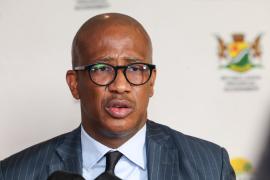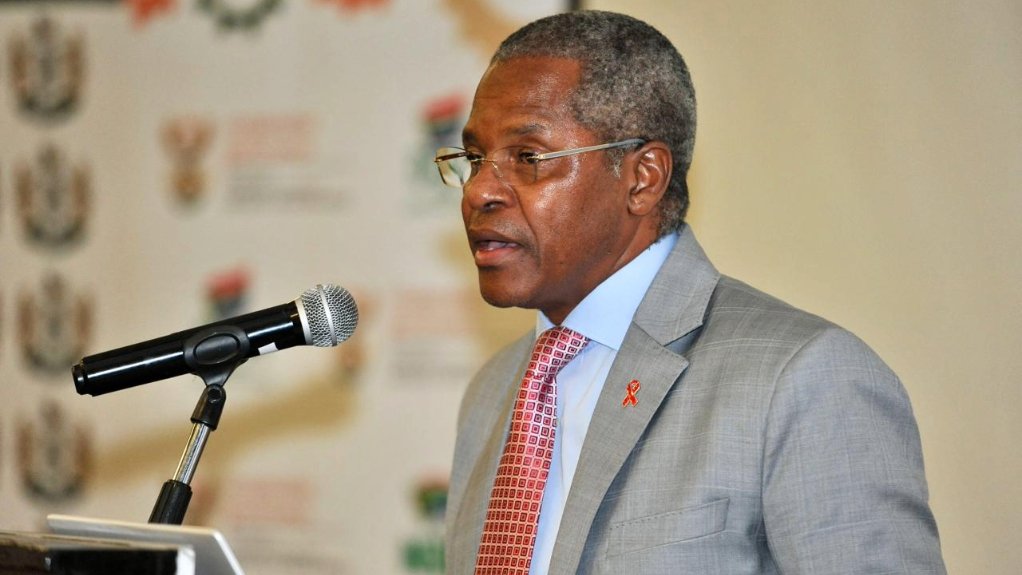
Velenkosini Hlabisa, Minister of Cooperative Governance and Traditional Affairs, delivered an address at the Sustainable Infrastructure Development Symposium South Africa 2026 (SIDSSA 2026) in Cape Town on August 26, 2026. The Minister's speech focused on the critical role of partnerships in municipal infrastructure development, a key theme of the symposium. SIDSSA 2026 served as a key platform for discussions on sustainable infrastructure solutions across South Africa, bringing together various stakeholders to address the nation's pressing infrastructure needs.
Foundations for Growth
Municipal services such as water, electricity, sanitation, and waste management are fundamental economic foundations for the development of cities and towns, according to Minister Velenkosini Hlabisa. Speaking at SIDSSA 2026, Minister Hlabisa emphasized that infrastructure should be regarded as a long-term investment in economic productivity and public value, rather than merely an expenditure. This perspective, he noted, is vital for fostering sustainable growth and improving the quality of life for all citizens.
Minister Hlabisa noted that South Africa has achieved substantial progress in expanding access to basic services since the establishment of its democracy. Despite these significant gains, municipalities face ongoing challenges, including responding to urbanisation, population growth, persistent infrastructure backlogs, the impacts of climate change, and rapid technological advancements. These multifaceted pressures demand innovative and collaborative solutions to ensure continued service delivery and development.
Infrastructure investment, Minister Hlabisa stated, is key for spatial transformation, aiming to connect people to economic opportunities and support diverse economies. This strategic investment is intended to redress historical imbalances and create more equitable access to resources and prosperity. A municipality's effective functioning, he explained, relies on several interconnected factors: reliable infrastructure, sustainable finances, capable officials, diligent oversight from councils, fair revenue collection, timely payments to suppliers, procurement processes that deliver value, and services that communities and businesses can consistently depend on. The absence of any one of these elements can significantly hamper a municipality's ability to serve its residents effectively.
Building Sustainable Municipalities
The ongoing Review of the White Paper on Local Government is a significant undertaking aimed at rethinking the foundational architecture and operational mechanisms of local government, according to Minister Velenkosini Hlabisa. This full review seeks to modernise and strengthen local governance to better meet the demands of a dynamic society. He stated that achieving municipal sustainability necessitates the development of capable institutions, professional administrations, appropriate governance structures, stronger accountability frameworks, enhanced infrastructure management, and viable financing models. These pillars are essential for creating resilient and responsive local government entities.
Minister Hlabisa identified several factors that currently undermine the sustainability of trading services within municipalities, including customer debt, non-revenue water, electricity losses, weaknesses in billing systems, and deferred maintenance. These issues collectively deplete municipal resources and compromise service quality. He elaborated that financial sustainability, in particular, requires a clear understanding of true costs, improvements in billing and collection processes, a reduction in losses, and strong protection of infrastructure assets. Addressing these financial vulnerabilities is critical for ensuring the long-term viability of municipal operations and their capacity to invest in future infrastructure.
Central to the government's reform agenda is professionalisation, which demands the recruitment of specialized personnel. These include engineers, urban planners, financial specialists, procurement professionals, contract managers, asset managers, and data specialists. The Minister stressed that attracting and retaining such expertise is critical for elevating the standard of municipal service delivery and project management. Minister Hlabisa also pointed to the role of technology in improving municipal efficiency, citing examples such as digital billing, smart metering systems, asset management platforms, predictive maintenance tools, and data analytics. These technological advancements can streamline operations, reduce waste, and provide valuable insights for decision-making. He concluded by emphasizing the importance of climate resilience, noting that climate change significantly impacts both infrastructure planning and municipal finances, requiring proactive measures to mitigate risks and adapt to new environmental realities.
Mobilizing Investment and Partnerships
Addressing delegates at the Sustainable Infrastructure Development Symposium South Africa 2026 (SIDSSA 2026), Minister Velenkosini Hlabisa stated that the challenges associated with infrastructure development necessitate a collaborative approach. He outlined that government entities, businesses, investors, development finance institutions, technical experts, and local communities must work in concert to address these needs effectively. This multi-stakeholder collaboration is essential for pooling resources, expertise, and perspectives to tackle complex infrastructure projects. Minister Hlabisa further noted that South Africa's infrastructure requirements are substantial, and the government alone does not possess the capacity to provide all the necessary capital. The scale of the investment needed far exceeds what public funds can solely provide, showing the urgency of attracting external capital.
To bridge this significant funding gap, the Minister identified the need for additional sources of finance. These include development finance, blended finance models, public-private partnerships, the issuance of infrastructure bonds, and investment from institutional entities. Diversifying funding streams is a strategic imperative to ensure a steady flow of capital for critical infrastructure projects. Minister Hlabisa emphasized that attracting these diverse forms of investment requires creating an environment conducive to investor confidence. He specified that investors require predictable regulation, credible financial information, transparent procurement processes, reliable revenue models, clear allocation of risks, and capable project management teams. These conditions are fundamental for de-risking investments and making South Africa an attractive destination for infrastructure capital.
The Minister stressed that any partnerships forged in this context must adhere to several key principles. These partnerships, according to Minister Hlabisa, must be responsible and transparent, ensuring the protection of public interest. He stated that risks should be allocated appropriately between public and private partners, while safeguarding affordability for citizens and preserving public assets for future generations. Finally, Minister Hlabisa concluded that these partnerships should be structured around measurable outcomes to ensure accountability and effectiveness, allowing for clear assessment of their impact and success in delivering essential services and fostering economic growth.