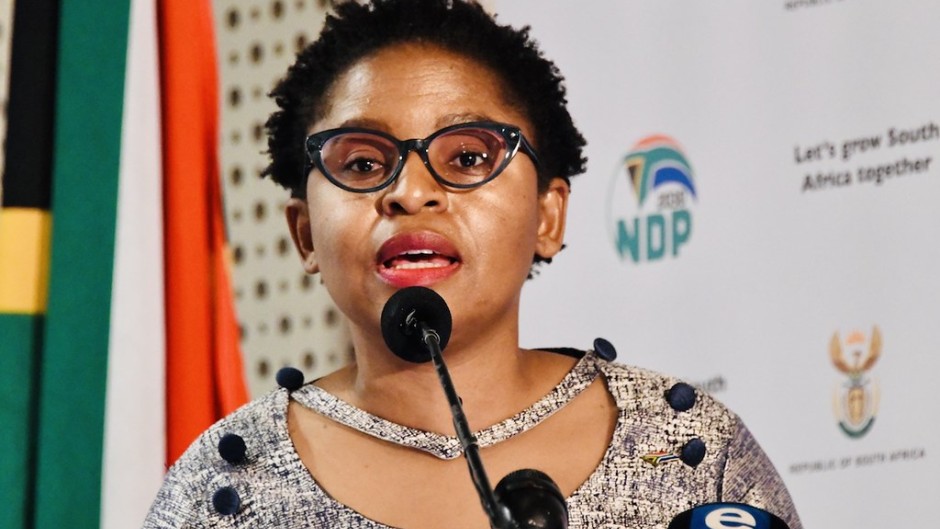
Minister in the Presidency Khumbudzo Ntshavheni addressed a range of pressing issues, including xenophobia and the critical financial situation facing Johannesburg, following a recent Cabinet meeting. Johannesburg is considered a special case regarding its financial stability, a designation showed by the Minister.
Ntshavheni stated, "We cannot afford a situation where Johannesburg collapses. It's as good as the country collapsing. Even if they are in the same boat as others. Johannesburg is a special case." She further explained the rationale behind this unique consideration, asserting, "In Johannesburg, it came to bear with the water shortages and we were forced to intervene, and part of that is that you don't want a Johannesburg and a Tshwane who are the hub of the country and who carry the country, to collapse and not be able to render services to the country." Regarding concerns about xenophobia, Ntshavheni affirmed the government's transparency, stating, "Our position is we have nothing to hide as the South African government. If the AU decides to put the matter on the agenda, we will provide a report including facts relating to the matter that there are no xenophobic attacks in South Africa." She added a key clarification, noting, "There have been attacks on foreign nationals, which is unfortunate, and law enforcement must do their work."
Addressing Xenophobia Concerns
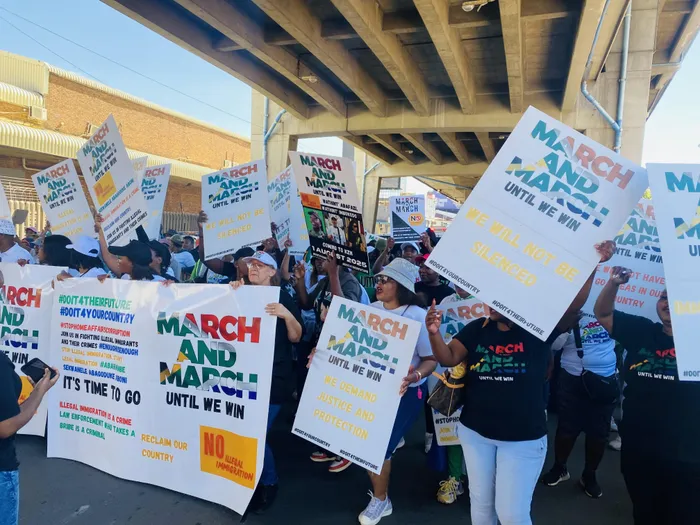
Minister Khumbudzo Ntshavheni insisted South Africa is not a xenophobic country, directly addressing international perceptions and domestic anxieties. Cabinet has unequivocally condemned attacks on foreign nationals in the strongest terms, according to Ntshavheni, signalling a clear governmental stance against such acts. The Minister stated that fake videos portraying South Africans negatively are circulating on social media platforms, contributing to misrepresentations of the country's social climate. Despite these challenges, Ntshavheni expressed confidence that South Africa can robustly defend its position if the matter is reported to the African Union, noting the government's preparedness to engage on the issue. She affirmed that the government has nothing to hide regarding the issue, emphasizing a commitment to transparency and factual reporting. Ntshavheni further emphasized that while there have been unfortunate attacks on foreign nationals, which law enforcement must address with diligence and impartiality, these isolated incidents do not reflect a national xenophobic stance or a widespread sentiment among the populace. South Africa maintains it will provide a full report to the African Union, should the matter be placed on its agenda, detailing facts related to the situation and presenting its perspective on the alleged xenophobic incidents.
Johannesburg's Critical State
Minister in the Presidency Khumbudzo Ntshavheni reiterated that attacks on foreign nationals have occurred, describing them as "unfortunate" and regrettable incidents. She emphasized that law enforcement agencies are expected to carry out their duties to address these incidents promptly and effectively, ensuring justice for victims. Ntshavheni also referenced recent water shortages in Johannesburg, which she indicated had necessitated government intervention, demonstrating the city's reliance on national support during crises. These critical water shortages showed the fragility of essential services in the metropolis and the need for swift action.
Those seeking refuge in South Africa have been urged to ensure their documentation is in order, a point of emphasis for the government in managing immigration and ensuring compliance with national laws. The Minister of Finance has sent letters to multiple municipalities across the country, indicating a broader concern about local government financial health, and the City of Johannesburg is notably not the sole recipient of such correspondence. However, the government continues to consider Johannesburg a critical case, with Ntshavheni previously remarking that its collapse would be akin to the country's collapse, showing its key economic and social role. The intervention during the recent water crisis noted the city's unique position as a national hub and its interconnectedness with the overall stability of South Africa. The financial health of the country's largest city remains a top priority for Cabinet, given its significant contribution to the national economy and its role as a key service provider.
Broader Cabinet Agenda
Beyond the pressing issues of xenophobia and Johannesburg's financial stability, Cabinet also deliberated on broader national concerns, reflecting the diverse challenges facing the country. Discussions included a thorough review of the Health Department's speed of response following the recent Hantavirus incident, emphasizing the government's commitment to public health and rapid crisis management. Cabinet members further addressed ongoing efforts to curb rising fuel prices, a matter made more pressing by the continuing conflict in the Middle East and its global economic ramifications. The government is actively exploring various strategies to mitigate the impact of these external factors on the cost of living for South African citizens. These discussions highlight Cabinet's full approach to governance, addressing both immediate crises and long-term national development goals.