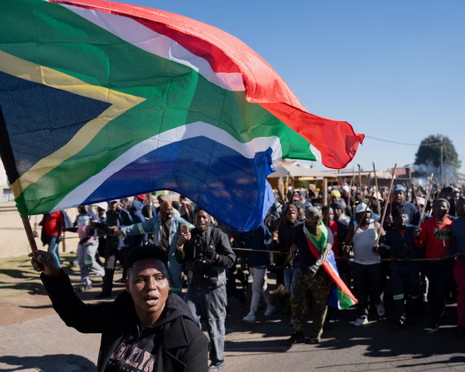
A campaign group, March & March, has issued a stark ultimatum for individuals living in South Africa without authorization to depart by June 30, amidst rising xenophobic sentiment. This deadline has intensified an already volatile situation, leading to a palpable increase in fear among migrant communities across the country. The immediate impact of this escalating tension was evident when approximately 100 people from Mozambique and Malawi recently sought refuge in the Kleinmond town hall after being ordered to vacate an informal settlement, noting the direct and severe consequences of the anti-migrant rhetoric and actions. The fear among these communities is not merely anecdotal; it is a lived reality for many who have made South Africa their home, often for decades.
Sandy Khumalo, who holds a valid residency permit and operates a thriving restaurant in downtown Johannesburg, articulated the profound anxiety gripping the migrant population. Her voice, laden with concern, echoed the sentiments of countless others. "Of course I’m worried, because I don’t know what’s going on, what’s happening," Khumalo stated, reflecting broader anxieties within the migrant community regarding their safety and future. Khumalo, who has been an integral part of South African society for over a decade, considers the country her home, a place where she has built a life and a business. "Since 2009, I’ve been here, so this is my home. I’m so stressed," she added, noting the deeply personal and emotional impact of the escalating tensions on individuals who have integrated into the nation's fabric. Her experience shows the precarious position many migrants face, even those with legal status, as the atmosphere of hostility grows.
Campaigns Fueling Xenophobic Sentiment
The heightened tensions have already prompted international responses, with Ghana, for instance, arranging flights for several hundred of its citizens to leave South Africa. At the heart of much of the anti-migrant sentiment is the campaign group March & March, which was established in March 2025. This organization has rapidly become a significant force in galvanizing public opinion against foreign nationals. Jacinta Ngobese-Zuma, the prominent leader of March & March, has been a vocal proponent of restrictive immigration policies, making unsubstantiated claims about the scale of undocumented migration. Ngobese-Zuma asserts that illegal immigration in South Africa "ranges from 15 million to about 30 million," figures that are significantly higher than official estimates and contribute to a narrative of an overwhelming influx.
March & March actively demonstrates its stance through public actions and protests. On March 30, the group led a demonstration in KuGompo City, an event that gained considerable attention following reports that a Nigerian individual had been crowned king in the area. This incident, perceived by some as an affront to local traditions and authority, became a flashpoint for anti-migrant sentiment, which March & March was quick to capitalize on. The group's activities are not isolated; political parties such as ActionSA and Jacob Zuma’s uMkhonto we Sizwe (MK) party have been observed associating themselves with these protests, lending them a degree of political legitimacy and further amplifying their message. The actions of such groups and political entities have undeniably contributed to the prevailing climate of fear and insecurity among migrants, suggesting a coordinated effort to push a specific agenda. The very existence of such a campaign, coupled with political backing, signals a deepening crisis for foreign nationals.
Escalating Violence and Fear
The concerns are not merely about rhetoric; they are rooted in documented instances of violence. Mozambique's government issued a statement confirming that five of its citizens were tragically killed in “xenophobic attacks” in South Africa at the end of May. These brutal killings serve as a stark reminder of the deadly consequences of unchecked xenophobia and have naturally heightened anxieties within migrant communities across the nation. The fear is widespread and deeply felt. An Ethiopian entrepreneur, who relocated to South Africa in 2000 and is married to a local woman, provided a chilling account of the widespread trepidation. "Every day and almost everyone I meet, they are in fear, extreme fear," he stated, reflecting a widespread sentiment among migrants that their lives and livelihoods are constantly at risk. This constant state of alert impacts all aspects of their daily existence, from their ability to work to their sense of personal safety.
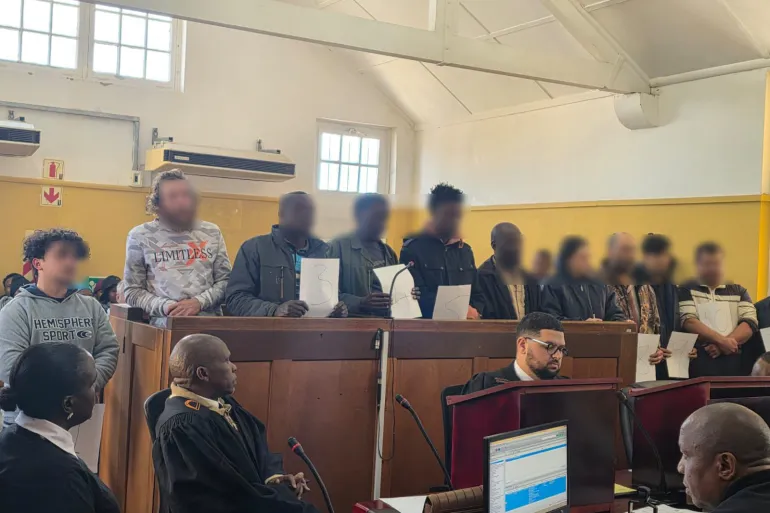
Concerns about violence have been a persistent issue in South Africa, resurfacing with alarming regularity. The acquittal of Ngizwe Mchunu, a radio DJ, on charges related to instigating riots in July 2021, has done little to assuage these fears. Those riots were a devastating period of civil unrest, resulting in the deaths of more than 350 people and widespread destruction. The fact that a figure associated with such a violent episode was acquitted has, for many, showed the underlying tensions that can lead to widespread unrest, without necessarily providing a sense of justice or resolution. This historical context of violence, coupled with recent events, creates an environment where migrants feel particularly vulnerable and exposed to potential harm.
The economic climate in South Africa has also contributed significantly to a challenging environment, often serving as a breeding ground for anti-migrant sentiment. The country's unemployment rate has seen a troubling increase, rising by 3.4 percentage points since 2020, to reach a staggering 43.1%. This severe economic strain is frequently cited in discussions surrounding anti-migrant sentiment, with some groups advocating forcefully for the prioritization of South African citizens in employment opportunities. The narrative often propagated is that foreign nationals are taking jobs away from locals, despite evidence that migrants often fill roles South Africans are unwilling to take or create new economic opportunities. This combination of economic hardship, which creates genuine frustration among the populace, and targeted rhetoric against migrants, exacerbates the climate of fear and vulnerability experienced by foreign nationals living in the country. It creates a scapegoat for broader societal problems, diverting attention from systemic issues.
Historical Context and Public Opinion
South Africa's history with migration is complex and deeply intertwined with its journey from apartheid. After Nelson Mandela's election in 1994 ended white-minority rule, a period of immense hope and reconciliation, he famously welcomed African migrants to South Africa, viewing the nation as a beacon of opportunity and a home for all. However, this initial spirit of inclusivity has unfortunately been marred by recurring outbreaks of xenophobic violence since then. The country has struggled to reconcile its welcoming post-apartheid ethos with the socio-economic realities and the rise of anti-foreigner sentiment.
One of the most devastating episodes occurred during riots in 2008, where sixty-two people were killed, a grim toll that included 21 South African citizens, and more than 150,000 individuals were displaced from their homes. This event sent shockwaves through the region, noting the deep-seated tensions. Seven years later, in 2015, the nation was again gripped by xenophobic incidents, in which at least five people died, demonstrating the persistent and cyclical nature of this violence. These historical precedents loom large, reminding both citizens and migrants of the potential for rapid escalation.
The demographic landscape of South Africa has also undergone significant changes over the past few decades, which some link to the rising tensions. The foreign-born population in South Africa has seen a substantial increase. Between 1996 and 2022, the country's foreign-born population almost trebled to 2.4 million, reflecting South Africa's appeal as an economic hub in the region. In 1996, this demographic represented a relatively small 2% of South Africa's total population. However, by 2022, the foreign-born population constituted 3.9% of the nation's 62 million inhabitants. This demographic shift, while not inherently problematic, has occurred alongside the intermittent periods of anti-migrant sentiment and violence, leading to complex social dynamics and challenges in integration and resource allocation. The perception of a growing foreign population, whether accurate or exaggerated, often feeds into the xenophobic narrative.
Official Responses and Analyst Views
The tragic human cost of the violence has been consistently reported. South African police reported that two Mozambicans and one South African died during specific acts of violence in Mossel Bay on the south coast, showing that the unrest affects both foreign nationals and citizens. In response to the escalating crisis, South Africa’s president, Cyril Ramaphosa, addressed the nation in a televised statement, attempting to reassure the public and condemn the violence. He asserted, “We will and must not allow groups to use the legitimate concerns of South Africans to destabilise our country through inciting lawlessness and violence.” The president's remarks show official efforts to manage the rising tensions and to differentiate between legitimate grievances and criminal acts of xenophobia. However, the effectiveness of such statements in curbing the violence remains a critical question for many.
Meanwhile, public sentiment regarding immigration has undergone a notable shift, according to surveys conducted by the Human Sciences Research Council. The data reveals a concerning trend: the proportion of South Africans who stated they would welcome all immigrants declined significantly from a quarter in 2020 to just 15% last year. This indicates a growing sentiment against open immigration and a hardening of attitudes among a substantial portion of the population. This shift in public opinion provides a challenging backdrop for any government efforts to promote integration and combat xenophobia, as it suggests a deepening societal divide on the issue of migration. The confluence of economic hardship, political opportunism, historical grievances, and changing public attitudes creates a complex and dangerous environment for migrants in South Africa, who continue to live in a state of "extreme fear."