Thousands of undocumented migrants are rapidly departing South Africa amidst rising xenophobic tensions, with many seeking to leave the country in advance of an impending deadline. This significant movement shows the acute challenges faced by foreign nationals in South Africa, as various communities grapple with increasing social unrest and anti-immigrant sentiment. The exodus reflects a challenging environment for foreign nationals in South Africa, as communities grapple with increasing social unrest. The migrants' urgent departure notes the profound impact of these tensions on their livelihoods and safety, prompting a significant movement of people away from the country. This situation has created a palpable sense of urgency among those affected, driving many to make difficult decisions about their future in the nation.
Exodus and Deadline Pressure
Activist groups have issued a June 30 deadline for undocumented migrants to depart South Africa, intensifying pressure on foreign nationals and contributing to the current rush to leave. This ultimatum has directly contributed to the rapid movement of people seeking to leave the country before the cutoff date, creating a period of heightened anxiety and activity. The impending deadline adds a critical layer of urgency to the existing challenges faced by migrants, many of whom are already contending with heightened xenophobic tensions across the country. The call for their departure by specific activist groups shows the difficult and often precarious environment for undocumented individuals within South Africa, compelling many to seek alternatives.
Roots of Xenophobic Tension
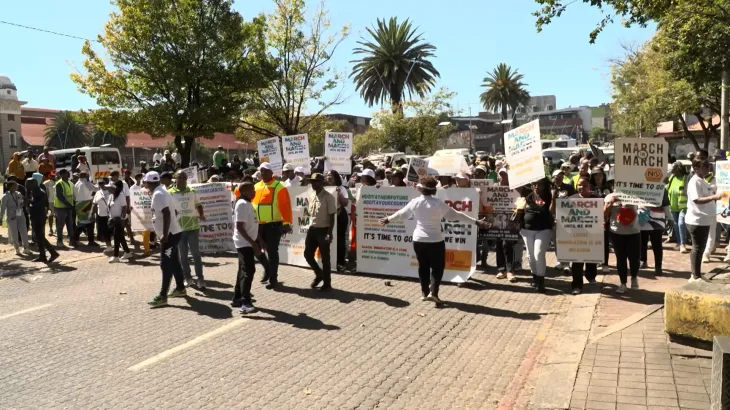
Anti-immigrant protests are increasing across South Africa, contributing significantly to the rising tensions observed nationwide. These demonstrations reflect growing sentiments against foreign nationals within the country, often fueled by economic anxieties and social pressures. The protests frequently target undocumented migrants, with participants often calling for their immediate removal and stricter immigration enforcement. This escalation in public demonstrations notes the domestic pressures contributing to the current exodus of migrants, as foreign nationals perceive a direct threat to their safety and stability. The frequency and intensity of these anti-immigrant actions are creating an increasingly hostile environment for foreign-born residents, making daily life more difficult and uncertain. These protests are a significant factor in the broader context of xenophobia perceived by many migrants in South Africa, shaping their decisions to leave. The demonstrations have been observed in various areas, signaling a widespread concern among some segments of the South African population regarding immigration and its perceived effects.
Reporting from Cape Town
Fahmida Miller reports from Cape Town, where the city, a major urban center in South Africa, is experiencing the broader national phenomenon of migrant departures. While specific figures for Cape Town were not immediately available, the trend of foreign nationals leaving the country ahead of the June 30 deadline is evident across various South African cities. This widespread response indicates the national scope of the issue, affecting urban centers and smaller communities alike. Many migrants in Cape Town are reportedly making arrangements to return to their home countries or seek refuge elsewhere due to the escalating tensions and the ultimatum issued by activist groups. The situation reflects the growing pressure on undocumented individuals throughout South Africa, including those residing in its coastal metropolitan areas, forcing them to make urgent and often difficult choices about their futures.
Activist Group's Ultimatum
Activist groups have issued a June 30 deadline, demanding undocumented migrants depart South Africa, a decree that has sent ripples of concern through migrant communities. This ultimatum is directly contributing to a rapid movement of people seeking to leave the country in advance of the cutoff date, with many feeling they have no other option. The impending deadline adds a critical layer of urgency to existing challenges faced by migrants, many of whom are already contending with heightened xenophobic tensions across South Africa. The call for their departure by specific activist groups shows the difficult environment for undocumented individuals within the nation, creating a climate of fear and uncertainty. The situation compels many to make arrangements to return to their home countries or seek refuge elsewhere, often at great personal cost.