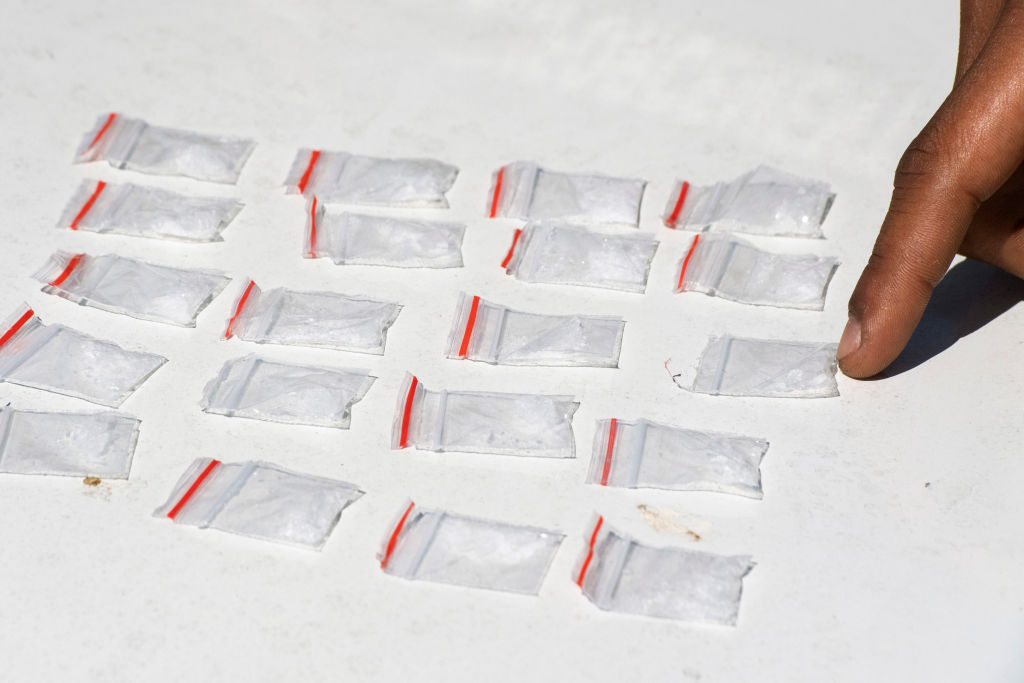
In mid-May, authorities in South Africa's North West Province arrested 11 individuals, including four Mexican nationals, at a sophisticated crystal methamphetamine production facility. This operation marks a significant development in the country's ongoing fight against international drug trafficking. The arrests highlight growing concerns about Mexican cartels establishing a tangible presence within South Africa. This incident suggests a potential expansion of cartel activities beyond their traditional territories into Southern Africa, utilizing the region for drug manufacturing. The presence of Mexican nationals among those apprehended shows the international dimension of the illicit drug trade now impacting South Africa. This development points to a strategic move by these criminal organizations to diversify their production and distribution networks.
Elaborate Meth Production Uncovered
Authorities seized 481 kilograms of methamphetamine during the raid. The seized drugs represent a substantial quantity of illicit narcotics, indicating a high-volume production capability. Law enforcement officials were unable to locate the owners of the property where the sophisticated crystal methamphetamine production facility was discovered. The absence of the property owners further complicates the investigation into the full extent of the cartel's operations within South Africa, raising questions about local complicity or the use of proxies. This seizure and the inability to identify the property's proprietors show the clandestine nature of the network and the challenges faced by law enforcement. The sophisticated setup and the scale of the operation indicate a significant investment in establishing drug production capabilities in the region, suggesting a long-term strategy rather than an isolated incident. The laboratory itself was estimated to be worth at least 1 billion rand ($61 million), reflecting the substantial financial backing behind such an enterprise. This valuation covers the infrastructure, specialized equipment, and secure location necessary for large-scale production.
Pattern of Mexican Involvement
The recent discovery of a crystal methamphetamine production facility marks the fourth drug laboratory with alleged Mexican links found in South Africa, according to the South African Police Service. This pattern suggests a deliberate and sustained effort by Mexican cartels to establish a foothold in the country. The operation in Groblersdal was described as one of the largest drug busts ever recorded in the country, signaling the significant impact and scale of these illicit activities. This pattern includes previous significant incidents involving Mexican nationals, indicating a recurring presence and operational capacity.
In September 2025, South African authorities arrested five Mexican nationals in Volksrust. During that operation, law enforcement uncovered a methamphetamine laboratory and seized drugs with an estimated value of $20 million. This bust further solidified concerns about the increasing involvement of Mexican criminal organizations. Prior to that, in July 2024, two Mexican nationals were apprehended at an industrial-scale meth lab located on a farm in Groblersdal, Limpopo Province. These incidents collectively indicate a recurring presence of Mexican individuals and sophisticated drug manufacturing operations within South Africa. The scale and nature of the laboratories suggest established networks for illicit drug production and distribution, moving beyond mere transit points to active manufacturing hubs. The repeated discovery of such facilities points to a well-organized and persistent effort by these international criminal groups to exploit South Africa's vulnerabilities.
Broader Drug Landscape
South Africa is considered one of the world’s largest consumer markets for crystal meth, locally known as “tik.” This domestic demand exists alongside other illicit drug activities, creating a fertile ground for international cartels. In early May, authorities seized 32 bricks of cocaine with an estimated value of more than 13 million rand (about $795,000) from a bus at Durban Harbour. This incident notes the diverse nature of the drug trade passing through and into South Africa. The drug landscape further includes the emergence of potent synthetic opioids. Drug tests conducted by clinics in South Africa in late 2024 detected fentanyl in younger people in the Eastern Cape and KwaZulu-Natal. Fentanyl is a highly potent synthetic opioid, about 100 times more potent than morphine and 30 times stronger than heroin. The drug's presence indicates a diversifying illicit market beyond traditional stimulants, posing new and severe public health challenges. The increasing availability of such dangerous substances shows the urgent need for full intervention strategies.
Concerns and Wider Implications
The Groblersdal drug laboratory, specifically the facility discovered in mid-May, was estimated to be worth at least 1 billion rand ($61 million), a testament to the significant investment made by criminal organizations. Authorities also discovered large quantities of chemicals used in the manufacturing of illicit drugs, including crystal meth, with an estimated street value of 2 billion rand ($122 million) at the Groblersdal site. These chemicals are key components in the production process and their seizure represents a substantial blow to the cartel's operational capacity. These operations highlight a broader reach, as Mexican nationals had previously established similar drug manufacturing operations in Kenya and Nigeria. This regional pattern indicates a deliberate strategy by these cartels to expand their footprint across the African continent, leveraging different countries for various stages of their illicit supply chains, from production to distribution. The establishment of these sophisticated labs in South Africa raises significant concerns about the potential for increased drug-related crime, corruption, and violence, mirroring the challenges faced in other regions where cartels have established themselves. The ongoing investigations will likely reveal more about the intricate networks supporting these operations and the extent of their penetration into the local economy and society.