The 2025/26 Marion Island overwintering team has returned to South Africa, according to reports published on May 28, 2026. The team's evacuation was prompted by a critical fuel shortage at their remote research station, a situation that significantly threatened the continued operations of the base. Marion Island, a sub-Antarctic island, is situated in the southern Indian Ocean, a remote and challenging environment for scientific research.
Urgent Rescue Voyage
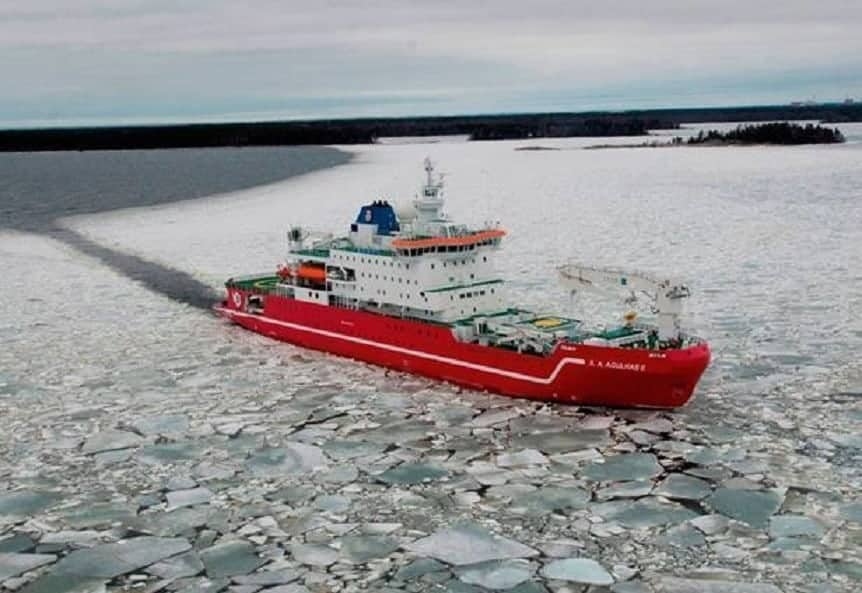
The relief vessel SA Agulhas II transported the team back to South Africa. To reach Marion Island and ensure a timely rescue, the SA Agulhas II sailed at its maximum speed, known as 'Ice Mode'. This rapid transit was key for the mission, which involved the swift retrieval of personnel from the remote research station following the declaration of the emergency.
The team evacuated from Marion Island comprised a diverse group of specialists, all integral to the station's scientific and operational functions. Among them were meteorologists, who play a key role in monitoring weather patterns in the sub-Antarctic region and contribute vital data to global climate models. The contingent also included engineers, responsible for maintaining the station's complex infrastructure, which is essential for sustaining life and research in such extreme conditions. Medical professionals were also part of the returning group, ensuring the health and safety of the overwintering crew during their stay and throughout the evacuation process. Additionally, communications specialists, vital for maintaining contact with the mainland and facilitating data transfer, were part of the returning group. The return voyage ensures the safety and well-being of these essential personnel following the critical fuel shortage that jeopardized their ability to continue their work effectively.
The Fuel Shortage Explained
The evacuation of the Marion Island team was ordered by the Minister of Forestry, Fisheries and the Environment, Willie Aucamp. This decision was a direct response to the critical fuel shortages that severely threatened the operations at the remote research base. Delays in the relief voyage that typically resupplies the island were attributed to the unavailability of key fuel products necessary for producing polar diesel. Polar diesel is described as essential for maintaining the base's operations in the extremely low temperatures characteristic of the sub-Antarctic environment. Without this specialized fuel, critical systems such as heating, power generation, and transportation would cease to function, rendering the base uninhabitable and inoperable for scientific endeavors. The lack of these essential fuel products created an untenable situation, necessitating the immediate evacuation of personnel to ensure their safety.
Minister Aucamp stated, "While the temporary closure of the base is unfortunate following the emergency evacuation, my team and I felt it was important to prioritise the safety and well-being of our people. That is why I ordered the evacuation and it was worth it." He also outlined plans for the future, noting, "We will work to restart the systems at the base, undertake repairs, restock the food and fuel supplies, while also initiating various interventions to mitigate against future risks during all voyages to the three South African remote scientific bases." The Minister reaffirmed South Africa's dedication to its research programs, noting the significant contributions made from these remote outposts. "South Africa remains committed to its Antarctic and sub-Antarctic research programme, which contributes significantly to climate science, biodiversity conservation, oceanographic research and global environmental monitoring," Aucamp added, emphasizing the global importance of the work conducted at these stations.
Minister's Commitment to Base
Following the emergency, the Department of Forestry, Fisheries and the Environment is now focused on rapidly restoring functionality to the Marion Island base. Efforts are underway to restart operations at the base within two to three weeks, aiming to resume its scientific activities as quickly and safely as possible. This rapid turnaround is key for minimizing disruption to ongoing research projects and for re-establishing South Africa's presence in the sub-Antarctic region.
To prevent similar disruptions in the future, the department has secured an 18-month supply of polar diesel for the base. This substantial reserve is a proactive measure intended to ensure long-term operational stability and to buffer against potential supply chain challenges or unforeseen delays in future relief voyages. Additionally, plans are in progress to procure a large fuel depot facility. This new, dedicated facility will be specifically designed for storing polar fuel, further enhancing the base's resilience against supply chain challenges and ensuring consistent access to essential resources for its critical scientific endeavors in the challenging sub-Antarctic environment. This strategic investment shows the government's commitment to supporting South Africa's vital polar research initiatives.