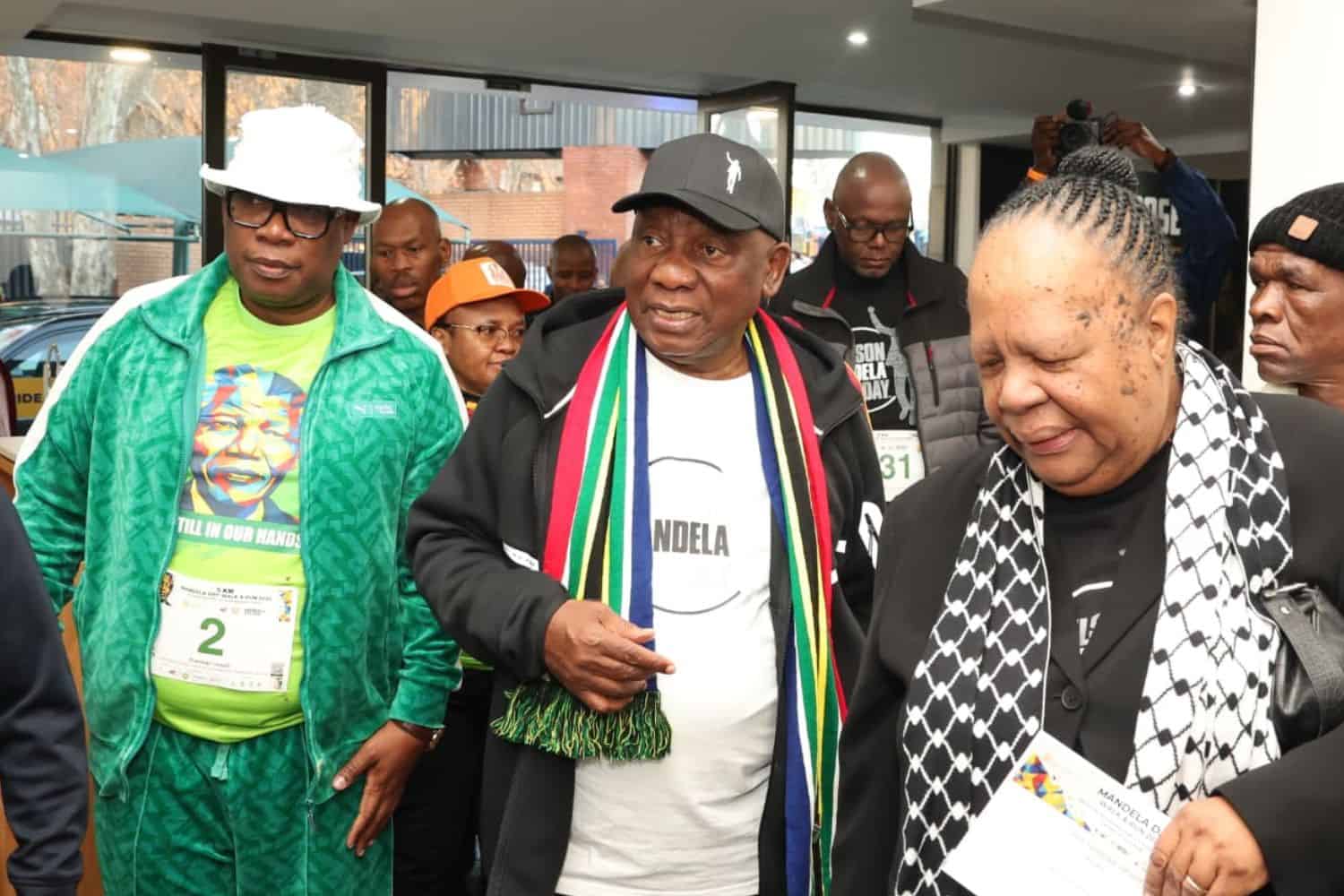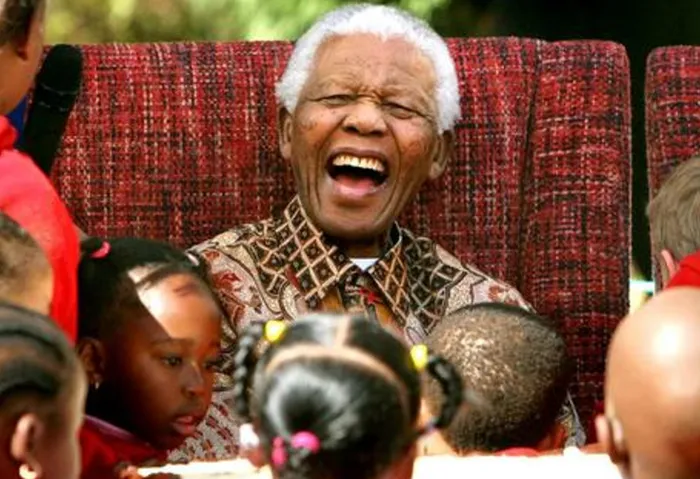
South Africa observes Mandela Day this month, dedicating time to the enduring legacy of Nelson Mandela. This annual observance encourages individuals across the nation to reflect deeply on his profound values and guiding principles. The initiative's proponents emphasize that compassion, generosity, and active citizenship remain fundamental choices every South African can make, embodying the spirit Mandela championed. This dedication serves as a key moment for introspection, urging citizens to consider how these principles can be applied in contemporary society.
Mandela's Legacy of Reconciliation
Nelson Mandela's unwavering commitment to reconciliation is widely credited with helping to steer South Africa away from the brink of civil war. Indeed, millions credit Mandela's exceptional leadership for preventing widespread conflict, particularly following the assassination of South African Communist Party leader Chris Hani in 1993, a moment that threatened to plunge the nascent democracy into chaos. While some critics argue that Mandela embraced reconciliation instead of retribution, advocating for a more punitive approach to apartheid-era injustices, proponents steadfastly maintain that the alternative would have been a path of violence. This alternative, they contend, would have undoubtedly plunged the country into catastrophe, leading to further bloodshed and instability. Reconciliation, according to those who supported the approach, was always intended to exist alongside justice, not replace it, aiming for a holistic healing process for a deeply wounded nation. This approach recognized the deep scars left by apartheid and sought to heal them through dialogue and understanding, rather than perpetuating cycles of violence.
Unfulfilled Promises of Justice
Despite the foundational work of reconciliation, the subsequent governments led by Thabo Mbeki, Jacob Zuma, and Cyril Ramaphosa have only partially implemented the recommendations of the Truth and Reconciliation Commission (TRC). Under these administrations, the momentum for prosecuting apartheid-era crimes significantly stalled, leaving many victims without the closure they sought. The vital process of meaningful economic transformation, which was intended to redress historical imbalances, also lost significant momentum. Policies such as Black Economic Empowerment and affirmative action were specifically designed to address these deeply entrenched historical injustices and create a more equitable society. These key initiatives aimed to dismantle the economic structures inherited from apartheid and foster inclusive growth. However, a combination of inconsistent implementation, widespread poor governance, and widespread corruption has regrettably contributed to South Africa becoming one of the most unequal societies globally. This stark reality means that while political freedom was achieved, economic disparities continue to mirror the apartheid-era divisions, leaving many feeling that the promise of a truly just and equitable society remains unfulfilled. The failures in fully prosecuting apartheid-era crimes and achieving economic equity represent significant setbacks in the nation's journey toward complete justice.
Beyond Government Action
Mandela Day serves as an annual reminder that building a better society requires far more than just government action or policy implementation. It shows the profound truth that systemic change must be complemented by individual and community efforts. The call to action, often epitomized by seventy minutes of service, can powerfully remind people that the spirit of Ubuntu—the profound African philosophy of interconnectedness and humanity—is sustained by ordinary people. It is through these everyday choices, where individuals actively choose to help those who need it most, that the fabric of a compassionate society is truly woven. This focus on individual contribution and collective responsibility shows a broader sentiment: that Nelson Mandela cannot, and should not, be held solely responsible for the failures of those who inherited the democratic state he so courageously helped to build. His legacy is a call to action for all, not an excuse for inaction by a few. Mandela's vision for South Africa was one of shared responsibility and collective upliftment, a vision that continues to inspire citizens to address the nation's challenges through active participation and mutual support.