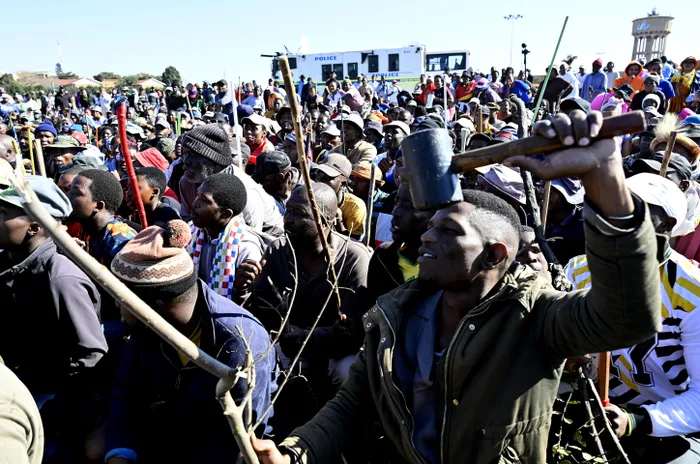
Thousands of Malawians are currently stranded in makeshift camps across South Africa, facing a repatriation deadline amidst escalating anti-migrant tensions. The situation follows weeks of anti-immigrant protests and deadly attacks targeting foreign nationals in various South African cities. These events have prompted calls for the urgent return of Malawian citizens to their home country, as the humanitarian situation in these temporary shelters continues to draw concern.
Conditions and Numbers
More than 15,000 Malawian citizens have been processed for repatriation, according to official figures released by authorities. Many of these individuals are currently housed in temporary camps across South Africa, awaiting transport back to their home country. Reports from several of these facilities indicate significant challenges regarding basic necessities, showing the urgency of the repatriation efforts. Conditions in the camps include short supplies of food, clean water, and sanitation, raising concerns among humanitarian aid organizations monitoring the situation. The Malawian government has been working closely with South African authorities to facilitate the return of its citizens, with the logistical complexities of such a large-scale operation being a key focus. The ongoing processing efforts aim to address the urgent needs of those awaiting transport back to Malawi, ensuring their safe passage. This number represents a substantial portion of the Malawian population affected by the recent unrest and the subsequent call for their return.
Context of Violence
Anti-migrant groups in South Africa have imposed an unofficial June 30 deadline, demanding that undocumented foreign nationals depart the country. This demand follows a period of escalating anti-migrant sentiment that has manifested in widespread protests and violent incidents. The crackdown on foreign nationals has resulted in several fatalities, with two Mozambican citizens and one Malawian citizen confirmed dead in the attacks. These tragic deaths highlight the severity of the violence and the risks faced by foreign nationals in the country. The tensions are unfolding in South Africa, which is recognized as Africa's most industrialized economy. The economic landscape often draws migrants seeking opportunities, a factor that sometimes contributes to socio-economic friction and resentment among some segments of the local population. The imposition of deadlines by unofficial groups adds to the pressure on foreign nationals and complicates efforts by governments to manage repatriation processes in an orderly and humane manner.
Official Response and Security
Authorities state that most of the repatriated Malawian citizens lacked valid documentation, which has been a point of contention in the broader debate surrounding foreign nationals in South Africa. South African authorities have unequivocally condemned the recent anti-migrant violence that has affected foreign nationals within its borders, emphasizing the government's commitment to upholding the rule of law and protecting all residents. In response to planned anti-migrant marches and the ongoing unrest, authorities have pledged heightened security measures across affected areas. These actions aim to address both the humanitarian situation of undocumented individuals and the growing tensions that have led to unrest in various South African cities. The focus on documentation shows the legal framework governing migration, while security pledges seek to prevent further incidents of violence and ensure the safety of both local citizens and foreign nationals. The government's stance aims to balance national security concerns with humanitarian obligations.
Broader Implications
Thousands more Malawians remain in overcrowded camps in South Africa, facing uncertain futures as repatriation efforts continue. The presence of these individuals in temporary shelters notes the scale of the humanitarian challenge and the pressing need for effective solutions. Many of these camps are experiencing significant strain due to the high number of occupants, which exacerbates existing concerns about living conditions, hygiene, and access to essential services. The continued presence of large groups of Malawians shows the ongoing complexities involved in managing the repatriation process amidst the anti-migrant tensions in the country. Authorities are working diligently to address the logistical challenges presented by the thousands still awaiting their return, striving to ensure their safe and dignified passage back to Malawi. The situation also brings into focus the broader issue of migration dynamics within the region and the need for full policies to manage these movements effectively.