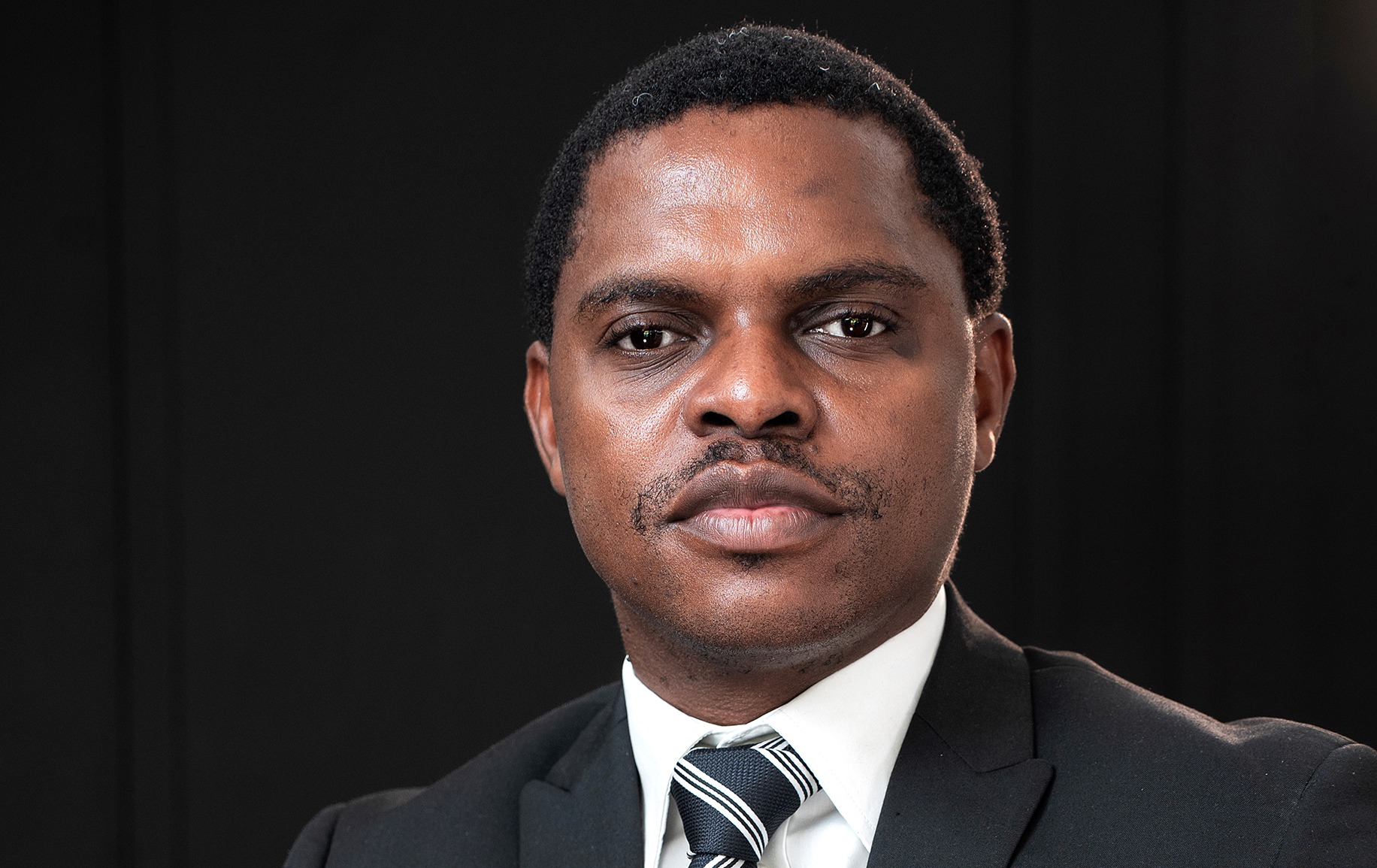
Lukhona Mnguni is set to enter the race for Johannesburg mayor, with his candidacy scheduled for official announcement on Saturday, 23 May 2026. This move marks a significant transition for Mnguni, who has been a prominent voice in South African political discourse for over a decade. Mnguni, a public commentator on politics for 15 years, stated he has "always been an activist at heart in my entire upbringing, be it at home, in the church or university." His long-standing engagement with societal issues has shaped his perspective and fueled his decision to seek political office. He emphasized his commitment to public discourse, noting, "I could have tried to pursue a career where I’d get a corner office but I chose to be in the public discourse to fight and fend off the things that threaten our country’s future and the future of our children." This statement notes his dedication to addressing systemic challenges rather than pursuing personal career advancement, positioning himself as a dedicated public servant.
Mnguni warned of a potential "gangster state" if drastic action is not taken to reconfigure power dynamics in South Africa. His concerns show a perceived urgency in addressing corruption and inefficiency within government structures. "It’s quite clear that if we do not do something drastic about reconfiguring power dynamics in South Africa. There is a risk of this country becoming a gangster state in a real, real way that criminal syndicates will be the ones running the state with politicians as their runners," he said. This stark warning reflects a deep apprehension about the erosion of institutional integrity and the potential for organized crime to infiltrate governance. He identified cleaning up Johannesburg as a top priority, calling it a "low-hanging fruit" that should not take more than a year to resolve. Mnguni believes that visible improvements in urban cleanliness can quickly restore public trust and attract investment. "So cleaning up the city is a top, top priority because I mean, a dirty, dirty city cannot attract anybody," Mnguni added, emphasizing the direct link between urban hygiene and economic vitality.
Activist's Journey to Politics
Lukhona Mnguni is contesting the Johannesburg mayoral position under the banner of Rise Mzansi. His campaign emphasizes fundamental rights and practical governance, aiming to provide tangible solutions to the city's pressing issues. Mnguni, who is 36 years old, stated that providing access to essential services is a core concern for his platform. His relative youth positions him as a voice for a new generation of leaders, eager to bring fresh perspectives and energy to urban administration. This focus on essential services reflects a commitment to the basic needs of residents, which he views as foundational to a well-functioning city.
He views water as a constitutional right, asserting that a new framework for procurement is necessary to ensure its equitable distribution and management within the city. This approach suggests a focus on restructuring existing systems to better serve the populace, addressing inefficiencies and inequalities in water provision. Mnguni's stance on water notes a broader concern for human rights and equitable access to vital resources, a critical issue in many South African urban centers. The candidate's age places him among a younger generation of political figures aiming to address long-standing urban challenges with innovative and pragmatic solutions. His entry into the mayoral race signifies a move from academic and public commentary to direct political action, driven by a desire to implement the changes he has long advocated for.
Mnguni’s personal connection to Johannesburg is evident in his choice of the Walter Sisulu Botanical Gardens as his favorite park in the city. This detail offers a glimpse into his personal appreciation for the city's green spaces, aligning with his stated goal of cleaning up Johannesburg and improving its liveability. His fondness for such a significant natural landmark suggests a commitment not only to urban functionality but also to preserving and enhancing the city's aesthetic and environmental quality. His entry into the mayoral race marks a significant step in his transition from public commentator to active political participant, bringing his analytical skills and policy insights directly to the electoral arena.
Rise Mzansi's Platform and Ambitions
Lukhona Mnguni has identified cleaning up Johannesburg, particularly waste management, as a top priority for his campaign. He stated this process should not take more than a year to complete, setting an ambitious but clear timeline for visible improvements. This commitment to rapid and tangible results is a central pillar of his platform. Mnguni, running under the banner of Rise Mzansi, aims to address municipal service delivery as a core component of his platform, believing that efficient and equitable service provision is fundamental to good governance. His vision extends to creating a city that is not only clean but also functional and responsive to the needs of its residents.
Rise Mzansi, the political organization backing Mnguni's mayoral bid, was established in 2023. Despite its relatively recent formation, the party has quickly moved to establish a presence in the South African political landscape. The party has begun to contest elections at various levels since its formation, demonstrating an intent to build a broad base of support and influence policy across different spheres of government. Their participation in these elections indicates a strategic effort to gain experience and visibility, laying the groundwork for future electoral successes.
In the 2024 national elections, Rise Mzansi secured 0.42% of the total vote. This performance provided insight into the party's initial national support base, indicating a nascent but growing presence on the political scene. While a modest share, it represents a starting point for a new political entity seeking to challenge established parties. The party's electoral showing in the Gauteng provincial vote during 2024 was 0.98%. This figure reflects their support within the province where Johannesburg is located, indicating the regional context for Mnguni's current mayoral campaign and suggesting a slightly stronger foothold in this key province. These initial results provide a baseline against which the party's future growth and Mnguni's mayoral campaign will be measured.
Key Policy Priorities
Lukhona Mnguni has outlined several key policy priorities for his mayoral campaign, with a significant focus on infrastructure and governance. He stated that a clear, watertight master plan for rapid maintenance is needed within 100 days for water provision. This initiative shows his commitment to addressing fundamental service delivery issues early in his potential tenure, aiming for immediate and impactful changes. Mnguni's approach suggests an emphasis on immediate, actionable strategies to improve urban infrastructure, moving beyond mere promises to concrete implementation plans. His focus on water provision notes one of the most critical challenges facing Johannesburg, where reliable access to clean water is a constant concern for many communities.
Before entering the mayoral race, Mnguni previously served as the acting executive director and head of policy and research at Rivonia Circle. This experience in policy development and leadership within a research organization likely informs his detailed policy proposals and his emphasis on strategic planning. His background suggests a foundation in strategic planning and analytical assessment, which he now brings to the political arena, promising an evidence-based approach to city management. This professional history provides him with a deep understanding of policy formulation and implementation, which he intends to leverage for the benefit of Johannesburg residents.
Mnguni's personal connection to the city is also evident through his residence. He lives in Kyalami Hills, situating him within the Johannesburg metropolitan area he seeks to govern. This local residency may provide him with direct insight into the challenges faced by the city's residents, allowing him to experience firsthand the issues he aims to resolve. Living within the community he seeks to lead often fosters a deeper understanding of local dynamics and concerns, which can be invaluable for effective governance.
The mayoral contest in Johannesburg is shaping up to be a competitive one, with multiple candidates vying for the position. ActionSA leader Herman Mashaba is also a candidate for Joburg mayor, indicating that Mnguni will be contesting against established political figures with prior experience in city leadership. Mashaba's previous tenure as mayor brings a distinct dynamic to the race, offering voters a choice between experienced leadership and Mnguni's fresh approach. This rivalry sets the stage for a strong electoral debate focused on the future of Johannesburg and the best path forward for its governance.
The Mayoral Contest Landscape
The Inkatha Freedom Party’s Mlungisi Mabaso is also a candidate vying for the position of Joburg mayor, adding another prominent voice to the diverse field of contenders. Mabaso's entry ensures that a wide range of political ideologies and party platforms will be presented to the Johannesburg electorate. The African National Congress (ANC) recently closed its public nominations intake for a mayoral candidate at midnight on Friday, 22 May, indicating their selection process is underway for the upcoming contest. The ANC, as a major political force, is expected to field a strong candidate, further intensifying the competition for the city's top job. Hellen Zille has been confirmed as the Democratic Alliance’s candidate for Joburg mayor, bringing another prominent political figure into the race. Zille's extensive political experience and national profile will undoubtedly draw significant attention to the DA's campaign in Johannesburg. Additionally, Patriotic Alliance deputy president Kenny Kunene is a candidate for Joburg mayor, further diversifying the field of contenders and introducing another distinct political voice into the mayoral debate. The involvement of these established parties and figures sets the stage for a competitive election in Johannesburg, with various political ideologies and approaches to urban governance competing for voter support and the opportunity to lead one of Africa's most significant cities.