Loziba Wildlife Reserve, located in the Thaka Valley within the broader Maputaland-Pondoland-Albany region, was established with a primary conservation goal. The reserve's initial objective was to safeguard a vulnerable population of over 30 elephants, known locally as the ‘Ghost Elephants of Loziba’. This effort aimed to protect the herd and their habitat within the significant biodiversity corridor. The specific location of Loziba Wildlife Reserve in the Thaka Valley, nestled within the expansive Maputaland-Pondoland-Albany region, notes its strategic importance for regional conservation efforts. This area is recognized for its unique ecological characteristics and the pressing need for protective measures.
Origins and Vision
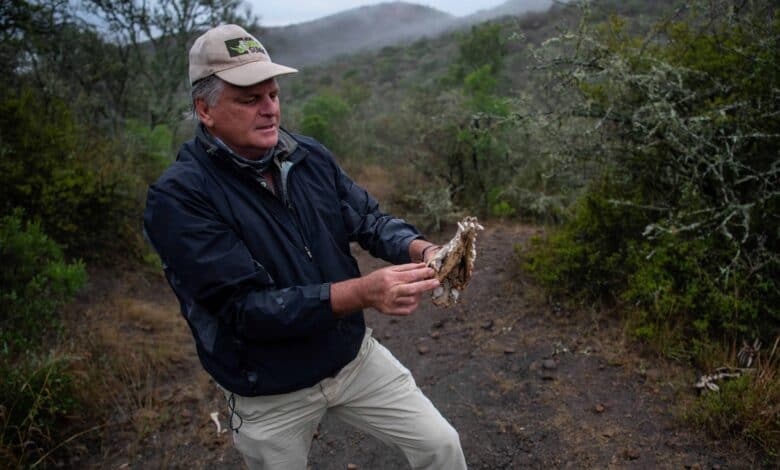
Loziba Wildlife Reserve was co-founded in 2017 by Tinley Manor resident, conservationist, and author Grant Fowlds, alongside his late friend and business partner, Beyers Coetzee. What began as a focused protection effort for elephants facing government-sanctioned culling has evolved into a full-scale rewilding project. The initial drive for the reserve was specifically to protect a vulnerable herd known as the ‘Ghost Elephants of Loziba’, which numbered more than 30 individuals. These elephants faced the very real threat of government-sanctioned culling, prompting the urgent need for a protected habitat. Grant Fowlds stated, "Rewilding, in simple terms, means restoring degraded land to a natural, functioning ecosystem." He elaborated that at Loziba, this includes rehabilitating damaged terrain, removing invasive plant species, managing water systems, and reintroducing indigenous wildlife. The reserve operates on land shaped by South Africa’s restitution process, adding layers of complexity to its operations. Fowlds acknowledged, "This is not just about animals. It’s about navigating land rights, community dynamics and building something that can sustain itself long-term." He further emphasized the urgency of their work, stating, "If we don’t make space for wildlife now, there won’t be any left to protect." The transition from a specific elephant protection initiative to a full rewilding project demonstrates an expanded vision for ecological restoration and sustainability within the region.
The Rewilding Process
The Maputaland-Pondoland-Albany region, where Loziba Wildlife Reserve is situated, holds international ecological significance as one of the world's 36 designated biodiversity hotspots. This classification shows the area's exceptional concentration of endemic species and its high degree of threat. The Maputaland-Pondoland-Albany region is globally recognized as one of the planet's 36 biodiversity hotspots, a designation that notes its critical importance for global biodiversity and the urgent need for conservation. The reserve's rewilding efforts contribute to the broader conservation goals within this critical region. The core concept of rewilding at Loziba is centered on restoring degraded land to a natural, functioning ecosystem, thereby enhancing the overall health and resilience of the environment.
Activities at Loziba Wildlife Reserve are designed to restore the natural integrity of its ecosystems. These initiatives include rehabilitating damaged terrain, a process aimed at repairing degraded land and enhancing its ecological function. This involves active intervention to reverse environmental damage and promote natural recovery. The removal of invasive plant species is another key component, targeting non-native flora that can outcompete indigenous vegetation and disrupt local habitats. By eradicating these invasive species, the reserve aims to allow native plants to flourish, supporting the local ecosystem. Managing water systems forms part of the reserve's strategy to ensure reliable water sources for wildlife and maintain ecological balance. This includes optimizing natural water flows and creating sustainable water points. Additionally, the reintroduction of indigenous wildlife is central to the rewilding process, bringing back species that are native to the region to help restore natural populations and ecological interactions within the reserve. This holistic approach ensures that all aspects of the ecosystem are considered in the restoration efforts.
Community and Broader Impact
The Loziba Wildlife Reserve project is structured around three core pillars, according to its founders: ecosystem conservation and wildlife management, community development, and conservation research, education, and eco-tourism. This multi-faceted approach ensures that conservation efforts are integrated with socio-economic benefits for the local population. The reserve operates through a partnership model designed to integrate both community and privately-owned land into a unified ecological entity. This collaborative framework is key for navigating complex land rights and fostering shared ownership of the conservation goals. Conservationist Grant Fowlds, an African linguist fluent in nine languages, stated that the initiative extends beyond wildlife. His linguistic skills undoubtedly aid in fostering strong relationships and understanding within the diverse local communities. "This is not just about animals," Fowlds explained, "It’s about navigating land rights, community dynamics and building something that can sustain itself long-term." The reserve currently employs more than 100 local individuals, contributing to economic development within the area. These employment opportunities provide vital livelihoods and directly link community well-being to the success of the conservation project. Fowlds emphasized the urgency of their mission, adding, "If we don’t make space for wildlife now, there won’t be any left to protect." The long-term sustainability of Loziba Wildlife Reserve hinges on this delicate balance between ecological restoration, community empowerment, and economic viability through responsible eco-tourism and research.