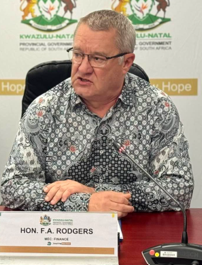
KwaZulu-Natal MEC for Finance, Francois Rodgers, has allocated R6.5 million to the Provincial Supply Chain Management (SCM) Unit within the provincial Treasury department. This significant allocation shows the provincial government's commitment to enhancing financial oversight and accountability within its local municipalities. The funding, drawn from R17 million in savings realised within the MEC’s Ministry during the 2025/26 financial year, is designated for targeted interventions. These interventions aim to address weaknesses in municipal financial management and the rising levels of Unauthorised, Irregular, Fruitless and Wasteful Expenditure (UIFWE). Rodgers stated, "Through these targeted interventions, we are strengthening oversight, closing governance gaps, and ensuring that municipalities comply fully with the MFMA." The MEC reiterated the importance of prudent financial management to ensure public funds are utilised effectively for service delivery.
Escalating Financial Woes Highlight Urgency
The escalating figures for Unauthorized, Irregular, Fruitless, and Wasteful Expenditure (UIFWE) within KwaZulu-Natal municipalities show the urgent need for these interventions. The province saw a significant increase in UIFWE, rising from R13.478 billion in June 2024 to an alarming R15.712 billion by June 2025. This substantial growth in irregular spending notes systemic issues that the provincial Treasury is determined to confront. A substantial portion of this expenditure was concentrated in a limited number of entities, with 10 municipalities collectively accounting for R11.490 billion of the total UIFWE. This concentration indicates that focused efforts can yield significant improvements. In the preceding 2024/25 financial year, savings were strategically reallocated towards the development of a digital procurement system, signaling an ongoing attempt to enhance financial controls and transparency across municipal operations. This earlier initiative laid some groundwork for the current, more direct interventions.
Targeted Municipal Support and Collaborative Efforts
Focused assistance from the provincial Treasury will be provided to eight municipalities as part of the intervention strategy. These municipalities include uMkhanyakude District Municipality, Mtubatuba Local Municipality, uThukela District Municipality, AbaQulusi Local Municipality, uMzinyathi District Municipality, Mpofana Local Municipality, Newcastle Local Municipality, and Zululand District Municipality. This support aims to address specific financial management weaknesses within these local authorities, providing hands-on guidance and expertise to rectify identified shortcomings. The selection of these municipalities was based on the severity of their financial challenges and their contribution to the overall UIFWE figures. Separately, eThekwini Municipality and uMsunduzi Municipality are receiving direct support from the National Treasury, indicating a multi-tiered approach to municipal financial stabilization across the province, acknowledging the scale of their respective financial challenges.
Broader Financial Reforms and Resource Allocation
The provincial government is directing resources towards strengthening financial governance, combating corruption, and ensuring adherence to the Municipal Finance Management Act (MFMA). This full approach seeks to create a more resilient and accountable financial ecosystem within KwaZulu-Natal. In a related move, an additional R6 million has been allocated to the Provincial Accountant-General’s Office. This funding is intended to bolster the office's collaborative efforts with the Department of Education, particularly in areas concerning financial reporting and compliance within the education sector. The remaining R4.5 million from the MEC’s Ministry savings will be channelled into the execution of the Provincial Financial Recovery Plan. This plan aims to address systemic financial challenges across the province's municipalities, complementing the targeted municipal support initiatives by providing a broader framework for long-term fiscal health. These allocations reflect a strategic deployment of resources to tackle financial mismanagement from multiple angles, from specific municipal interventions to broader systemic reforms and inter-departmental collaboration.