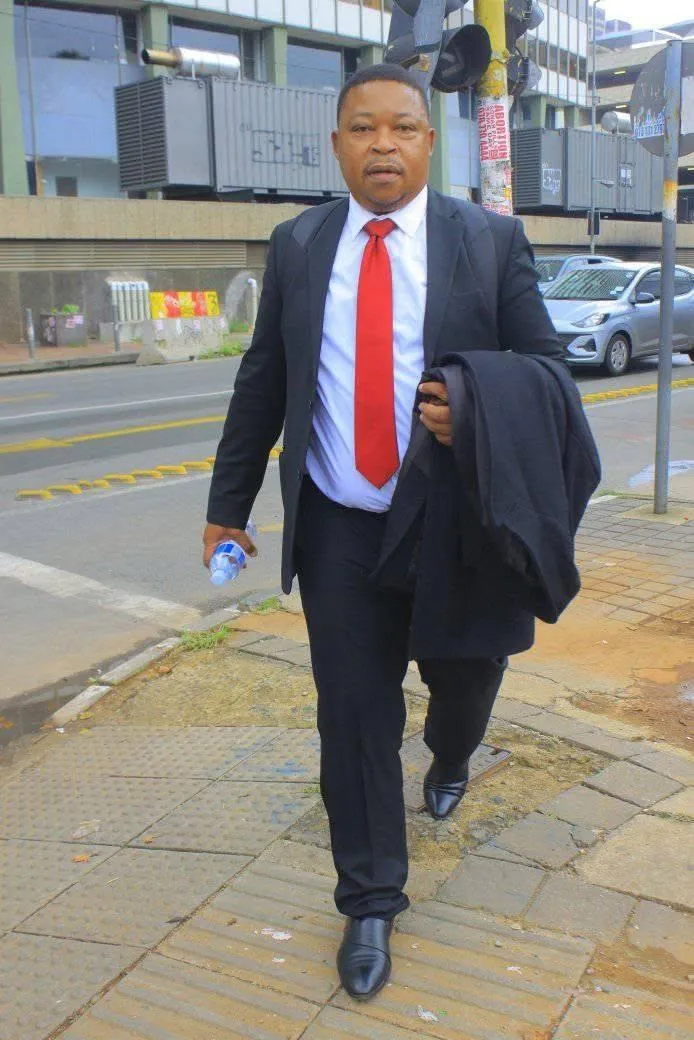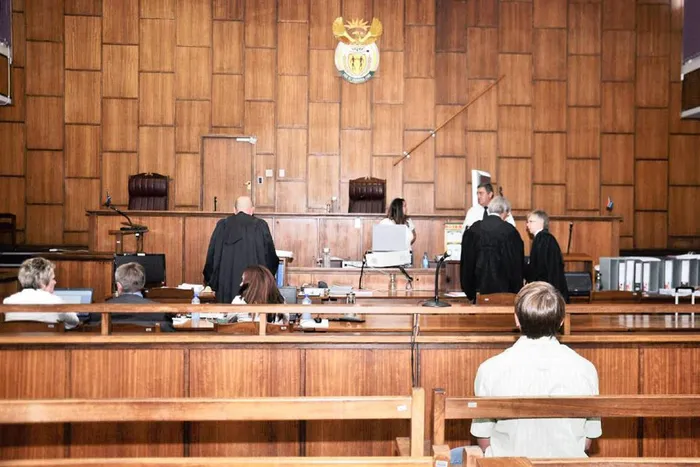
KwaZulu-Natal Police Commissioner Lieutenant General Nhlanhla Mkhwanazi recently noted issues of corruption and inefficiency within South Africa’s justice system, calling for a full overhaul. Mkhwanazi’s assessment was delivered at a parliamentary summit specifically focused on addressing gang-related violence, a critical issue plaguing the province. The Commissioner's remarks come as the Madlanga Commission’s second interim report remains undisclosed, fueling suspicions among observers that high-profile figures and political leaders may be shielded from scrutiny and accountability. This lack of transparency surrounding the report has intensified calls for greater openness in investigations into systemic corruption.
Corruption in Legal Ranks
Lieutenant General Nhlanhla Mkhwanazi has called for a critical review of the entire legal value chain, asserting that lawyers, prosecutors, and presiding officers must all be scrutinized for their roles and conduct within the judicial process. The Madlanga Commission, currently underway, is reportedly uncovering extensive corruption, political interference, and syndicate infiltration within the legal system, painting a grim picture of compromised institutions. This infiltration by criminal elements and undue political influence poses a significant threat to the integrity and impartiality of justice.
Mkhwanazi noted specific and troubling concerns regarding legal professionals, detailing practices that allegedly facilitate criminal activity. He stated that lawyers sometimes pay bail for defendants unable to afford it, subsequently recovering these costs from gang leaders, effectively creating a financial nexus between legal representation and organized crime. The Commissioner further alleged that lawyers exploit client-lawyer privilege and utilize trust accounts to conceal cash payments originating from criminal sources, thereby laundering illicit funds through legitimate channels. The Police Commissioner noted that it is particularly suspicious when an unemployed teenager, with no discernible income, is represented by a senior advocate charging an exorbitant fee of R20,000 per hour, raising questions about the true source of legal fees and the nature of the representation. These practices, Mkhwanazi indicated, undermine the very foundation of the legal profession and aid criminal enterprises.
Prosecutorial and Judicial Concerns
The efficiency and integrity of the National Prosecuting Authority (NPA) also came under sharp criticism. Gabriel Crouse, legal executive director at the Institute of Race Relations, characterized the National Prosecuting Authority (NPA) as the ‘National Postponement Authority’, reflecting widespread concerns about its operational efficiency and perceived delays in bringing cases to trial. According to observations made during the ongoing scrutiny of the justice system, a thorough review of prosecutor recruitment, training, and management is deemed necessary to address these systemic issues.
Prosecutors reportedly face significant procedural delays, frequently requiring specific delegation for cases, which contributes substantially to case backlogs and slows down the judicial process. This bureaucratic hurdle means that individual prosecutors often cannot proceed with cases without explicit, case-by-case authorization, leading to inefficiencies. In some instances, decisions on cases are awaited for nearly a month, a delay that can severely impact the momentum of investigations and the timely administration of justice. These delays not only frustrate victims and witnesses but also allow accused individuals to remain at large longer, potentially interfering with investigations or committing further crimes.
Lieutenant General Nhlanhla Mkhwanazi also suggested that the Magistrate’s Commission and Judicial Service Commission might need to investigate the ethical conduct of presiding officers. This call for scrutiny extends to judges and magistrates, implying that potential impropriety or inefficiency could be present at all levels of the judiciary. Office of the National Director of Public Prosecutions (NDPP) national spokesperson Kaizer Kganyago clarified that all prosecutors receive a mandate to operate within their jurisdiction from the Director of Public Prosecutions (DPP), outlining the standard operational procedure. Kganyago further explained that a new mandate was required for commission task team prosecutors who had been seconded from different provinces, indicating a procedural step necessary for cross-provincial assignments. Despite these procedural explanations, Kganyago stated that the NDPP was not aware of any delays in prosecuting cases related to the Madlanga Commission, a statement that contrasts with the broader concerns raised about prosecutorial efficiency.
Calls for Action and Responses
In the broader context of systemic challenges, Gabriel Crouse, legal executive director at the Institute of Race Relations, contended that attributing blame to legislation is erroneous. He asserted that legislation would not impede progress if there was sufficient political will and operational determination to enforce existing laws effectively. This perspective shifts the focus from legal frameworks to the commitment and capacity of institutions and individuals within the justice system. Judges Matter research and advocacy officer Mbekezeli Benjamin stated that allegations of impropriety against judicial officers are profoundly concerning and require immediate attention and thorough investigation to maintain public trust in the judiciary.
KwaZulu-Natal Police Commissioner Lieutenant General Nhlanhla Mkhwanazi urged the Legal Practice Council (LPC) to participate actively in addressing the issues of corruption and unethical conduct within the legal profession. This call notes the critical role of professional bodies in self-regulation and accountability. In response, LPC communications and stakeholder senior manager Kabelo Letebele confirmed that the LPC would indeed engage with Lieutenant General Mkhwanazi, signaling a willingness to collaborate on these serious matters. Letebele added that the council would request further information regarding any implicated legal practitioners and supporting evidence, emphasizing the need for concrete details to initiate investigations and disciplinary proceedings. Crouse also commented that underfunding under President Cyril Ramaphosa's administration has led to significant negative consequences across various sectors, including the justice system, potentially exacerbating the challenges of inefficiency and corruption. This underfunding, he argued, has had painful effects on the operational capabilities of key institutions.