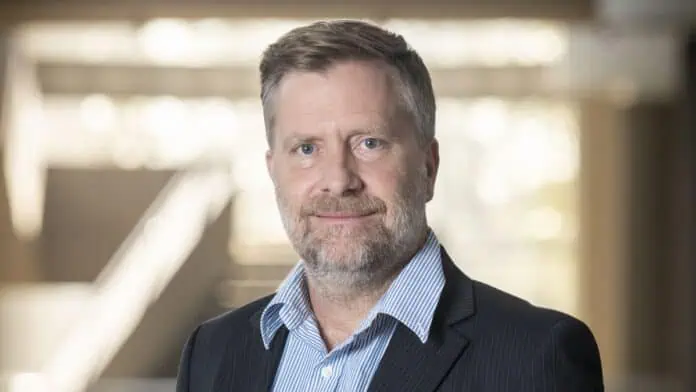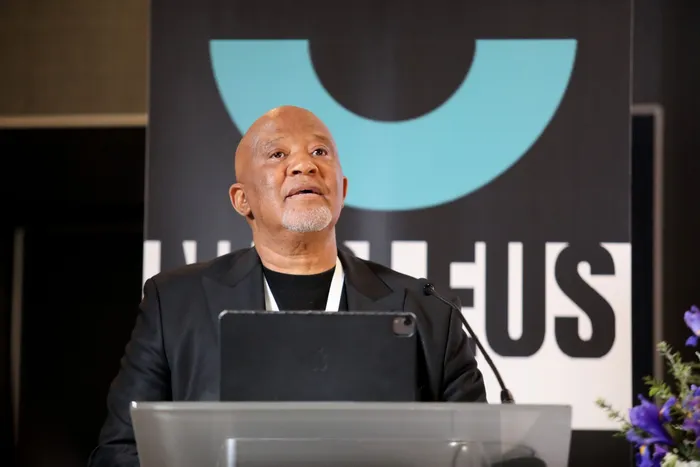
Mcebisi Jonas, South African President Cyril Ramaphosa's special envoy to the United States, recently called for a reinvigoration of multilateralism and increased collaboration among non-aligned nations, specifically Canada. Jonas emphasized the necessity of these efforts for economic growth and stability, stating, "We need faster growth, higher investment, more employment, greater resilience, a capable state, stronger institutions, and a more effective contribution to Africa’s development." He also advocated for reform of global institutions, adding, "We should support reform of the United Nations, the Bretton Woods institutions, and the multilateral trading system, because institutions that no longer reflect global realities will not be able to stabilise the world." The event, which convened at the Maslow Hotel in Sandton, included Canada’s High Commissioner to South Africa, James Christoff, who noted, "The reality we all face and the level of tumult has increased over the years because the institutions that have kept the fabric of our being, have failed." Deputy Minister Alvin Botes, former South African president Kgalema Motlanthe, and ANC member Zuko Glodlimpi also participated in the significant discussion.
Bilateral Ties and Historical Context
The bilateral relationship between South Africa and Canada is rooted in challenging periods of South Africa's history and is often characterized by generosity. Canada actively supported the international campaign against apartheid, aligning itself against the segregationist regime. This support was a key aspect of Canada's foreign policy during a critical time in South Africa's struggle for liberation. Following South Africa’s democratisation, Canada extended its assistance to the country, contributing to key reconstruction and development efforts. This post-apartheid support helped lay the groundwork for South Africa's transition to a democratic state and fostered a strong bond between the two nations. In recognition of his significant contributions to the anti-apartheid movement and the strengthening of bilateral ties, former Canadian Prime Minister Brian Mulroney was awarded the Order of the Companion of OR Tambo in Gold on December 8, 2015. This prestigious honour showed the deep appreciation for Canada's role in South Africa's journey towards democracy.
The scope of bilateral relations between the two nations is broad, encompassing various sectors such as development, energy, science and technology, agriculture, mineral resources, education, arts and culture, and transport. This full engagement demonstrates a commitment to multifaceted cooperation that extends beyond political and historical ties. This wide range of collaboration notes the enduring partnership between the G20 member South Africa and the G7 member Canada, two nations that, despite their differing economic classifications, share a common interest in global stability and progress. Their relationship serves as a model for how middle powers can effectively collaborate on a global scale.
Advocating for Multilateralism and Trade
Mcebisi Jonas, through his Nucleus Institute, hosted a discussion on middle power alignment on Thursday. The event focused on the role of countries like South Africa and Canada in navigating global shifts and fostering international cooperation. Jonas emphasized the importance of these nations working together to strengthen multilateral institutions and promote shared interests. He noted that such collaboration is not merely beneficial but essential for addressing the complex challenges of the 21st century.
Jonas also encouraged leveraging international platforms such as BRICS and the G20. He suggested these forums could serve as catalysts for advancements across several critical areas, including finance, trade, climate action, security, technology, and development. By actively participating in and shaping the agendas of these influential groups, middle powers can amplify their voices and push for reforms that benefit a wider range of nations. His remarks noted a vision for middle powers to actively shape the global agenda rather than merely reacting to the decisions of larger blocs. He showed that their collective influence could drive significant progress in areas vital for global prosperity and stability. The discussions showed a belief that enhanced collaboration among these nations is essential for addressing contemporary global challenges effectively, fostering a more equitable and stable international order.
Global Challenges and Future Cooperation
The discussion on middle power alignment, hosted by Mcebisi Jonas's Nucleus Institute, convened at the Maslow Hotel in Sandton. This gathering provided a platform for exploring how nations like South Africa and Canada can navigate an evolving international landscape. The dialogue delved into strategies for strengthening global institutions and ensuring they remain relevant in a rapidly changing world. Canada has been actively expanding its trade relationships, having signed five new trade agreements, demonstrating its commitment to global economic engagement. Further bolstering its economic ties, Canada is set to sign additional trade agreements covering key sectors such as mining, defence, energy, and infrastructure projects. These initiatives reflect a broader strategy to deepen international economic engagement and foster cooperation in critical areas. Such proactive measures not only benefit Canada's economy but also contribute to a more interconnected and resilient global trading system. The discussions showed the potential for South Africa and Canada to work together to champion multilateral solutions to pressing global issues, from economic volatility to climate change.