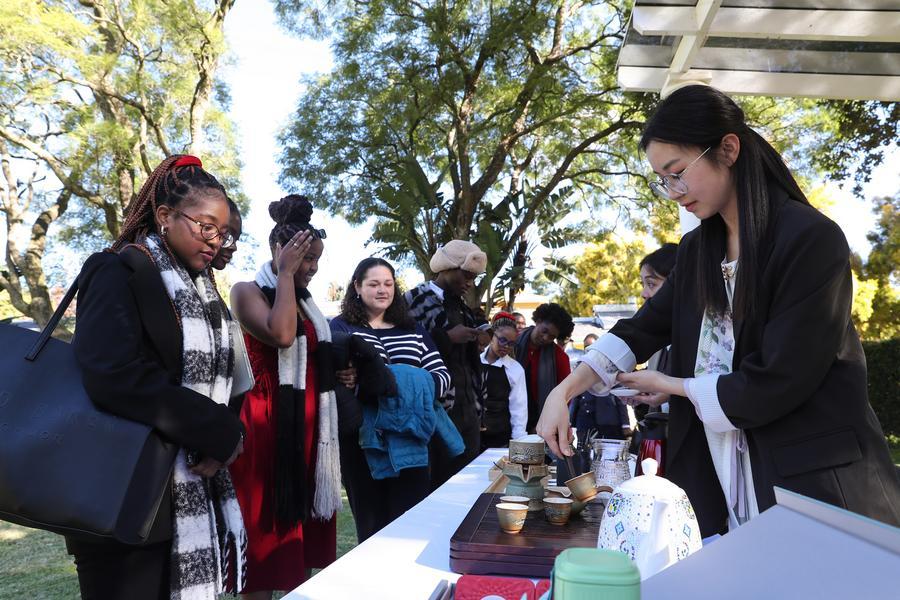
The Chinese Consulate General in Johannesburg hosted a youth dialogue on Friday, May 8, 2026, bringing together young participants to discuss key issues. The event focused on strengthening Sino-South African ties through conversations about bilateral relations, Chinese modernization, and the broader development trajectory of Africa. This significant gathering provided a dedicated platform for younger generations from both nations to engage directly on matters of mutual importance and future collaboration.
Bridging Cultures Through Exchange
With support from the Chinese Consulate General in Johannesburg, Wits University facilitated exchanges for its students, sending 20 individuals to China in both 2024 and 2025. These visits aimed to provide participants with direct exposure to Chinese culture and development. The program is designed to foster a deeper understanding of China's societal advancements and cultural heritage among South African youth.
During their trips, the Wits students undertook full tours of various institutions and companies across multiple Chinese cities. Their itinerary included visits to universities and businesses located in Beijing, Shanghai, Hangzhou, and Shenzhen. These immersive experiences allowed students to observe and engage with different facets of Chinese society, its technological innovations, and academic advancements firsthand. The exposure to diverse urban and industrial landscapes provided valuable insights into China's rapid development. The program shows a commitment to fostering educational and cultural understanding between the two nations, laying groundwork for future partnerships. Such direct exchanges are considered key for building long-lasting relationships and mutual respect between young people from China and South Africa.
Economic Cooperation and Future Prospects
Economic cooperation between China and South Africa is poised for expansion, particularly in the automotive sector. Chery Group, a prominent Chinese automobile manufacturer, plans to acquire Nissan's manufacturing plant located in Rosslyn, South Africa. This strategic move signifies a growing confidence in South Africa's industrial capabilities and its role as a manufacturing hub on the continent.
This strategic acquisition is anticipated to have significant economic benefits for the region. The recommissioning of the Rosslyn plant is projected to help preserve 3,000 existing jobs, providing key employment stability for many families. Additionally, the initiative aims to boost local production, with an ambitious annual output target of 50,000 vehicles by the year 2027. This development shows growing investment and industrial collaboration between the two nations, focusing on job creation and enhancing manufacturing capacity within South Africa. The investment by Chery Group is seen as a testament to the strong economic partnership and shared growth objectives between China and South Africa.
Youth Perspectives on Development
The Johannesburg youth dialogue convened young Chinese diplomats alongside students from the University of the Witwatersrand (Wits). Participants engaged in discussions centered on development strategies and their implications for both China and South Africa. This gathering provided a platform for younger generations from both nations to share their perspectives on future cooperation, ranging from economic ties to cultural exchanges. The interaction facilitated a direct and open exchange of ideas regarding how bilateral relations can evolve to address contemporary challenges and opportunities. Focus was placed on fostering mutual understanding and exploring joint initiatives that could benefit their respective countries. The event showed the importance of youth engagement in shaping the trajectory of Sino-South African partnerships, emphasizing collaborative approaches to regional and global development issues. The dialogue served as a vital forum for these future leaders to brainstorm innovative solutions and strengthen the bonds between their nations.
Vision for Shared Future
China grants zero-tariff treatment to 53 African countries that maintain diplomatic relations with Beijing. This policy aims to facilitate trade and economic cooperation between China and its African partners, promoting a more equitable and accessible global market. The initiative forms part of broader efforts to strengthen bilateral ties and support economic development across the continent, reflecting China's commitment to fostering a shared future with African nations. This preferential trade treatment is a key component of China's engagement strategy, designed to boost African exports and integrate African economies more deeply into global value chains.