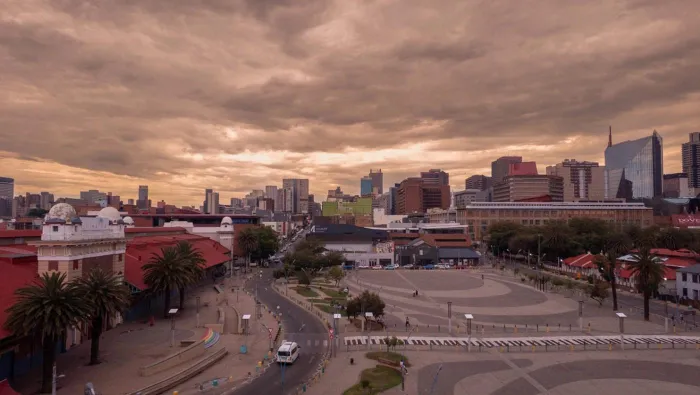
The City of Johannesburg is undertaking a significant initiative to evaluate the enduring role of its museums in preserving the rich tapestry of its history, safeguarding its diverse heritage, and effectively linking its communities to their shared identity. This full initiative aims to strengthen the city's Cultural Arc, transforming it into a more cohesive, vibrant, and accessible spine for arts and heritage that resonates with all residents and visitors. Through these efforts, the City of Johannesburg emphatically reaffirms its steadfast commitment to safeguarding the invaluable stories, precious artworks, and historical heritage that collectively define the unique and dynamic identity of the city. The city's leadership believes that these cultural institutions are vital not only for reflecting on the past but also for actively shaping a collective future, ensuring that Johannesburg’s rich narrative is continually accessible and celebrated by all. This strategic focus shows the importance of cultural preservation and accessibility in fostering civic pride and understanding among its diverse populace.
Newtown's Cultural Precinct Revitalized
Major upgrades are continuing apace at Museum Afrika and the adjacent Pink Building in Newtown, signaling a renewed focus on this vital cultural precinct. Museum Afrika, a cornerstone of the city's historical narrative, is fittingly housed in the historic 1913 fruit and vegetable market building, a structure that itself carries significant historical weight and is located on Lilian Ngoyi Street. The institution serves as Johannesburg’s premier history museum, holding a key role as the custodian of social and cultural memory for the city, meticulously documenting its past and present. Its extensive and invaluable collections include a wide array of books, diverse artefacts, full archives, and critical historical records, all contributing to a deeper understanding of Johannesburg's evolution. These collections are meticulously preserved, offering insights into the city's complex social dynamics and cultural development over decades, thereby providing a key educational resource for both scholars and the general public.
The Newtown precinct, where Museum Afrika is strategically situated, is recognized as a vibrant cultural hub and is also home to several other significant cultural landmarks, further solidifying its importance within the city's artistic and historical landscape. These include the renowned Market Theatre, a crucible of South African performing arts, the distinctive Newtown Heads public art installation, which adds a unique artistic flair to the area, and the historically significant Chancellor House. Chancellor House, deeply intertwined with the anti-apartheid struggle, holds profound historical importance and is powerfully commemorated by Marco Cianfanelli’s evocative sculpture, titled Nelson Mandela: Shadow Boxer, which stands as a poignant tribute to a key figure in the nation's history. The presence of these institutions collectively enriches the cultural fabric of Newtown, making it a focal point for heritage and artistic expression, drawing visitors and residents alike to engage with the city's multifaceted past and present. This concentration of cultural assets makes Newtown an unparalleled destination for exploring Johannesburg's unique identity.
Advanced Facility Upgrades
These facilities are currently undergoing extensive preparation and modernization to meet and exceed international museum standards, specifically to accommodate the temporary relocation of the priceless Johannesburg Art Gallery (JAG) collection. The Johannesburg Development Agency is diligently implementing a series of key infrastructure interventions at both Museum Afrika and the Pink Building, meticulously designed to facilitate this significant transition and ensure the optimal preservation of the artworks. These interventions are key for transforming the existing structures into a advanced environment capable of housing and protecting a collection of national and international significance. The agency's commitment reflects a broader vision for elevating Johannesburg's cultural infrastructure to global benchmarks.
Key upgrades underway include the careful installation of modern HVAC (Heating, Ventilation, and Air Conditioning) systems. These advanced systems feature real-time monitoring capabilities, which are essential to ensure optimal environmental conditions, including precise temperature and humidity control, critical for the long-term preservation of delicate art pieces. In parallel, full roof rehabilitation and waterproofing efforts are being conducted across both buildings to protect the structures from environmental elements and safeguard their future contents from potential damage. Additionally, new polycarbonate roof sheeting is being meticulously installed as part of these structural improvements, enhancing both durability and insulation. These measures are foundational for creating a stable and secure environment for the valuable collections.
Further critical infrastructure enhancements involve the ongoing installation of a new 1MVA transformer, a substantial upgrade designed to meet the significantly increased power demands of the modernized facilities and their sophisticated equipment. This strong power supply is essential for the continuous operation of environmental controls and advanced security systems. Security infrastructure is also receiving a full and significant overhaul, incorporating advanced measures to protect the valuable collections. These include advanced CCTV surveillance systems, sophisticated biometric and fingerprint access controls to restrict unauthorized entry, and strategically reinforced access points. These technological advancements are complemented by a constant 24-hour security presence, ensuring continuous vigilance and protection against theft or damage. To protect artworks from potential damage caused by traditional water-based fire suppression methods, advanced gas-based fire suppression systems, specifically designed to operate without water, are being meticulously installed throughout the premises, offering a key layer of protection for the irreplaceable art collection. These careful upgrades show the city's commitment to creating a world-class environment for its artistic treasures, ensuring their safety and longevity for future generations.
Strengthening the Cultural Arc
The strategic relocation of the Johannesburg Art Gallery (JAG) collection into Newtown represents far more than a logistical move; it signifies a strategic cultural repositioning for the entire city, aimed at enhancing its cultural narrative and accessibility. Johannesburg is profoundly described as a city significantly shaped by the dynamic movement of people, the exchange of ideas, and the unfolding of diverse histories, a characteristic that defines its vibrant and ever-evolving identity. This ambitious initiative aims to significantly enhance the Johannesburg Cultural Arc, which functions as both a symbolic and a physical pathway, creating a tangible connection between the city’s major heritage, arts, and human rights institutions. This full approach to cultural development is designed to integrate disparate yet equally significant cultural sites into a unified experience, making the city's rich history and artistic expressions more accessible to all.
The Cultural Arc stretches geographically from the historically significant Constitution Hill, a beacon of justice and human rights, extends gracefully across the iconic Nelson Mandela Bridge, symbolizing unity and progress, and culminates purposefully in the vibrant Newtown Cultural Precinct, a hub of artistic and historical expression. This integrated approach seeks to create a more cohesive, engaging, and accessible cultural experience for both residents and visitors alike, inviting them to explore the rich tapestry of Johannesburg's past, present, and future. By strengthening this arc, the city is not only preserving its heritage but also actively fostering a deeper connection between its diverse communities and their collective identity, ensuring that its cultural legacy continues to thrive and inspire future generations. This initiative is a testament to Johannesburg's dedication to leveraging its cultural assets as tools for education, reconciliation, and community building, reinforcing its status as a dynamic global city.