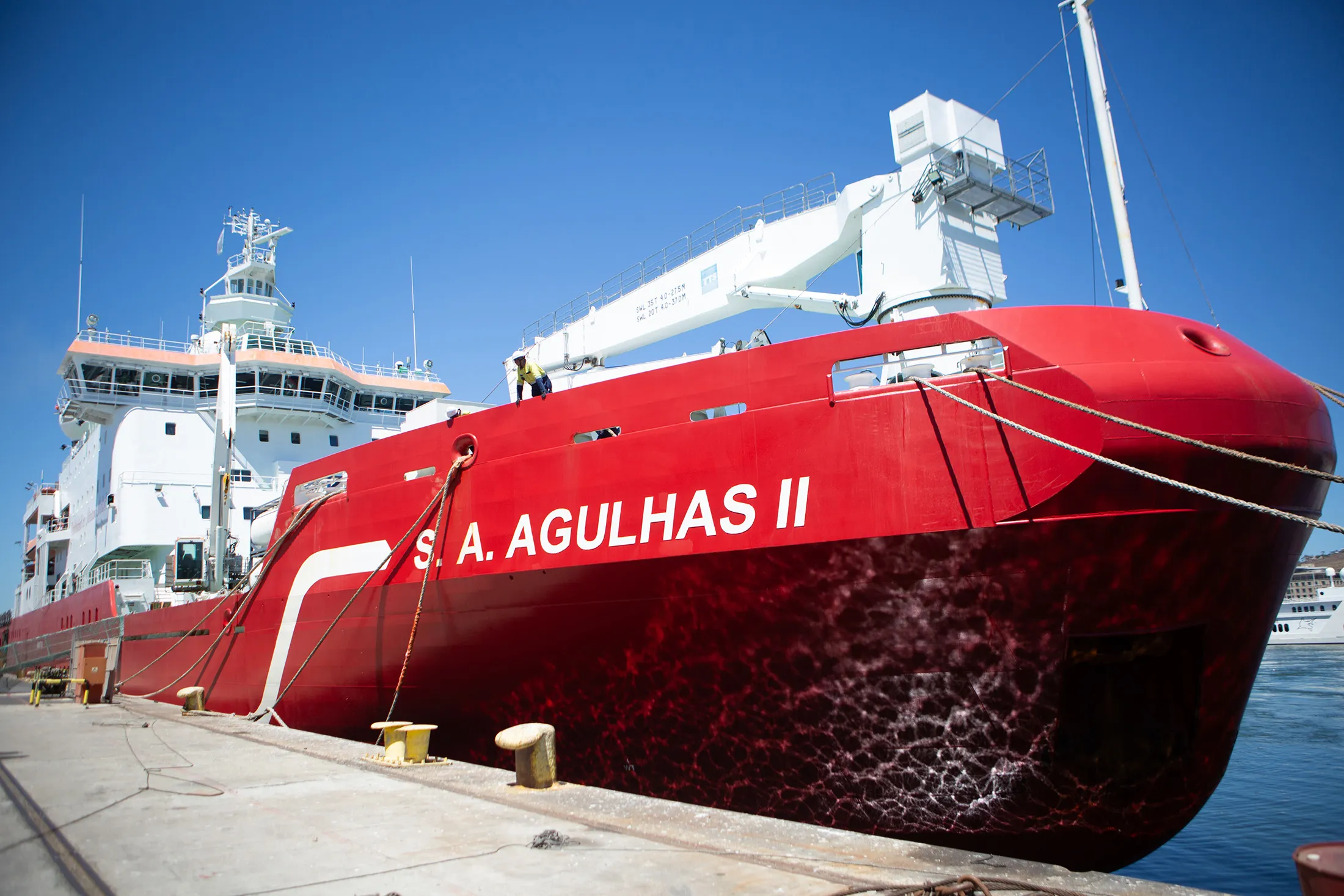
A South African vessel en route to a sub-Antarctic island for a scientific resupply mission has experienced significant delays due to fuel supply disruptions. The disruptions are reportedly a consequence of the ongoing conflict in Iran. The ship was headed to the sub-Antarctic as part of its scientific expedition, specifically to resupply scientists conducting key research. This South African vessel, responsible for transporting vital supplies and personnel, has been held up by these unforeseen fuel supply disruptions.
Vessel's Delayed Departure
The SA Agulhas II, South Africa's icebreaking polar supply ship, faced an unexpected delay in its departure from Cape Town in April. The vessel was unable to leave on its scheduled timeline due to difficulties in securing timely diesel supplies. This logistical challenge prevented the ship from commencing its scientific mission to a sub-Antarctic island as planned. The inability to procure the necessary fuel impacted the operational schedule for the critical scientific resupply mission. The SA Agulhas II, an icebreaking polar supply ship, was unable to leave Cape Town on schedule in April because it couldn’t secure diesel supplies in time. This unforeseen impediment directly affected the vessel's ability to embark on its journey, noting the delicate balance of international logistics required for such expeditions. The delay shows the broader implications of global supply chain disruptions on scientific research endeavors, particularly those in remote and challenging environments like the Antarctic.
Global Fuel Supply Impact
The Department of Forestry, Fisheries and the Environment attributed the delay of the SA Agulhas II to a global scarcity of fuel products. This scarcity is directly linked to ongoing geopolitical developments in the Middle East, according to the department. The scientific research vessel, an icebreaker, faced logistical challenges in securing adequate diesel supplies for its mission to a sub-Antarctic island. The global scarcity has created a complex environment for fuel procurement, making it difficult even for established scientific programs to maintain their schedules. The repercussions of these global events are now being felt in distant scientific outposts, impacting critical research.
A spokesperson for the Department of Forestry, Fisheries and the Environment stated, "The delay is primarily due to the global scarcity of fuel products linked to ongoing geopolitical developments in the Middle East." This situation has impacted the vessel's ability to depart from Cape Town as scheduled. The disruption shows how geopolitical events in one region can have a ripple effect on international operations, including scientific expeditions far removed from the conflict zones. The SA Agulhas II's mission involves key scientific research and resupply efforts in the Antarctic region, making the fuel procurement issues a significant operational hurdle for South Africa's polar program. The challenges faced by the SA Agulhas II serve as a stark reminder of the interconnectedness of global supply chains and the vulnerability of even well-planned scientific endeavors to international political and economic shifts.
Official Explanation
The Department of Forestry, Fisheries and the Environment officially explained the delay of the SA Agulhas II, South Africa's icebreaking polar supply ship. The department attributed the vessel's inability to depart Cape Town to a global scarcity of fuel products. This scarcity, it stated, is directly linked to ongoing geopolitical developments in the Middle East, specifically citing the conflict in Iran. The scientific research vessel was unable to secure timely diesel supplies for its mission to a sub-Antarctic island. The department confirmed that the situation impacted the SA Agulhas II's ability to leave Cape Town as planned, causing a significant operational hurdle for South Africa's polar program. The official explanation provided clarity on the root cause of the delay, emphasizing the broad consequences of the conflict in Iran on global logistics and scientific undertakings. The challenges in securing essential resources like diesel highlight the intricate web of dependencies that underpin international scientific collaboration and exploration.