Infrastructure South Africa (ISA) has committed R131 million over the past 18 months to bolster local government infrastructure, a key focus as the Sustainable Infrastructure Development Symposium South Africa (SIDSSA) 2026 convenes in Cape Town. This substantial financial commitment shows ISA's dedication to strengthening foundational services at the municipal level, addressing longstanding challenges in infrastructure provision. The symposium, currently underway, is attracting over 1,000 guests, including delegates from neighbouring countries, to discuss development strategies and foster regional collaboration on critical infrastructure initiatives. South Africa has achieved substantial progress in expanding access to basic services for the majority of its citizens since the advent of democracy, a trajectory ISA aims to accelerate through targeted investments. These investments aim to further support and enhance the capabilities of local municipalities across the nation, addressing critical infrastructure needs and promoting sustainable development.
Unlocking Billions in Projects and Catalyzing Investment
The R131 million commitment from Infrastructure South Africa has been strategically deployed to prepare a pipeline of projects with significant investment potential. A notable portion, R9.39 million, was committed to package strategic water projects located in Gauteng and the Eastern Cape. These water initiatives collectively represent an estimated investment value of approximately R7.3 billion, noting the catalytic role of ISA's initial funding in attracting larger-scale capital. The preparation of these projects is key for ensuring they are investment-ready and can effectively address water security and supply challenges in these provinces.
Further investments include approximately R1.8 million allocated for the preparation of a non-revenue water programme within the Matjhabeng Local Municipality. This specific programme is vital for improving the efficiency of water management, reducing losses, and ensuring that available water resources are utilized effectively for the benefit of the community. Non-revenue water, which includes water lost through leaks or not billed, represents a significant challenge for many municipalities, and this investment directly targets such inefficiencies.
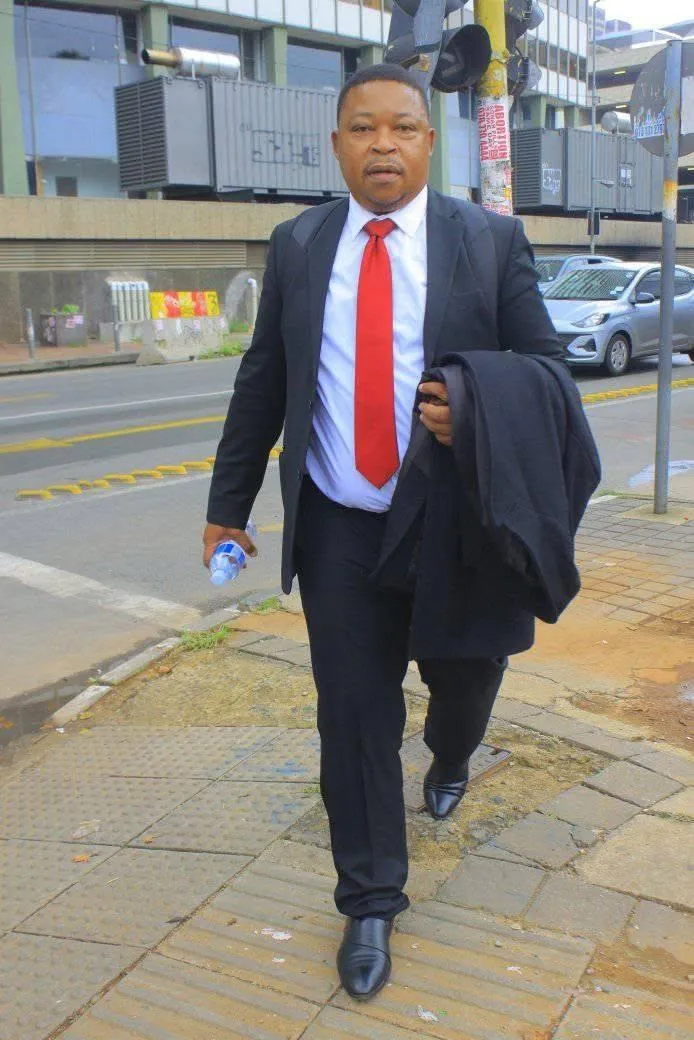
Infrastructure South Africa is also supporting four municipalities across four provinces as part of the Presidential Adopt-a-Municipality pilot programme. Public Works and Infrastructure Minister Dean Macpherson stated that this programme is designed to prepare projects aimed at unlocking significant investment. "Through the Presidential Adopt-a-Municipality pilot programme, Infrastructure South Africa is supporting four municipalities across four provinces," Macpherson said. "The programme is preparing projects that seek to unlock approximately R7 billion in water, sanitation, energy and waste management investment." This initiative focuses on critical sectors to enhance municipal service delivery and infrastructure resilience, ensuring a full approach to local government development. The pilot programme is a testament to the government's commitment to hands-on support for municipalities struggling with infrastructure backlogs and capacity constraints.
Strengthening Municipal Capacity and Ensuring Accountability
Efforts to enhance the integrity of infrastructure development have intensified, particularly concerning contractor oversight and accountability. Data from the Construction Industry Development Board (CIDB) indicates a significant increase in actions against fraudulent conduct, reflecting a strong push towards ethical practices in the construction sector. During the first 22 years of the CIDB's operation, a period spanning over two decades, only two contractors were removed from its register due to fraudulent activities. This historical trend notes a period of limited enforcement and potentially overlooked malpractices within the industry.
In contrast, the past 22 months have seen a substantial shift in regulatory action, demonstrating a renewed commitment to combating corruption and ensuring quality. Over this more recent timeframe, the CIDB has removed 52 contractors from its register for fraudulent conduct. This marked increase in removals reflects a strengthened approach to ensuring compliance and accountability within the construction industry, directly impacting the quality and reliability of municipal infrastructure projects. The intensified oversight aims to prevent malpractices that could compromise the effectiveness of investments made in local government infrastructure, ultimately safeguarding public funds and ensuring the delivery of durable, high-quality infrastructure. This proactive stance by the CIDB is key for building trust and ensuring that infrastructure projects are executed to the highest standards.
Ministerial Vision and Future Steps for Sustainable Development
Public Works and Infrastructure Minister Dean Macpherson stated that the formalisation of Infrastructure South Africa as a public entity is key for its upcoming work phases. "The approval to formalise Infrastructure South Africa as a public entity is central to the next phase of this work," Minister Macpherson said. This institutional strengthening is intended to streamline operations, enhance the entity's capacity to deliver on its mandate more effectively, and provide a stable framework for long-term infrastructure development planning and execution. The formalisation will enable ISA to operate with greater autonomy and efficiency, fostering better coordination across various government spheres and private sector partners.
The commitment of R131 million by Infrastructure South Africa has been instrumental in securing an R800 million debt-financing facility from the Development Bank of Southern Africa. This significant facility is expected to provide substantial capital for further infrastructure development projects, illustrating how strategic seed funding can leverage much larger investments. This debt facility will be critical in bridging funding gaps and accelerating the implementation of shovel-ready projects across various municipalities. Additionally, the Presidential Adopt-a-Municipality pilot programme is actively developing projects designed to attract approximately R7 billion in investment across critical sectors. These sectors include water, sanitation, energy, and waste management, aiming to address pressing municipal service delivery needs and improve the overall quality of life for citizens. The programme's focus is on preparing projects that are shovel-ready and attractive to potential investors, ensuring sustainable development across participating municipalities and laying the groundwork for future growth and resilience.