Industry group FMD Response SA has issued a warning, stating that South Africa’s current vaccination strategy against Foot-and-mouth disease (FMD) risks failing to contain the ongoing outbreak. This warning follows a press briefing held on Tuesday by Minister of Agriculture John Steenhuisen, who announced a new vaccination scheme. The Department of Agriculture's new approach is designed to grant farmers greater control over safeguarding their livestock from the highly contagious disease, a key component of its updated strategy. FMD Response SA's criticism centers on concerns regarding the effectiveness and implementation of these measures, suggesting they may not be sufficient to curb the spread of FMD across the country. The industry group’s statement shows a growing apprehension within the agricultural sector regarding the disease’s potential impact, noting fundamental disagreements with the government's proposed solution.
Criticism of Vaccination Pace
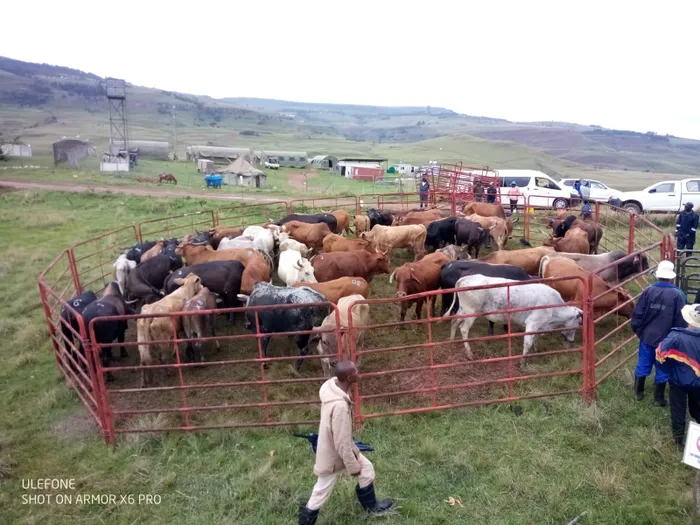
Andrew Morphew, representing FMD Response SA, argued that the current pace of vaccination is insufficient to achieve herd immunity against Foot-and-mouth disease (FMD). Morphew stated that effectively stopping the disease's spread requires vaccinating the country’s 14 million cattle within a stringent timeframe. "The only way to stop the disease spreading is to ensure that the country’s 14 million cattle are vaccinated within a tight timeframe of six to eight weeks to ensure nearly all of the country’s cattle become immune to the virus, halting its spread," Morphew said. He emphasized that this rapid and widespread immunization is critical for creating a protective barrier against the highly contagious virus.
The government's stated target is to vaccinate 80% of the national herd by December 2026. This national rollout aims to achieve an 80% vaccination rate by the end of 2026, a timeline that FMD Response SA views as critically flawed. Morphew contended that this timeline is not viable for achieving desired FMD-free status, which is essential for the country's agricultural economy and international trade. He noted that no country globally has attained World Organisation Animal Health FMD-free-with-vaccination-status through annual rolling single-dose campaigns. "No country in the world has achieved World Organisation Animal Health FMD-free-with-vaccination-status using annual rolling single-dose campaigns," Morphew added, showing the perceived inadequacy of South Africa's proposed strategy. The industry group believes that the government's approach, while aiming for a significant vaccination rate, fails to account for the speed and intensity required to truly suppress the disease.
Concerns Over State Control
Andrew Morphew also criticized the Department of Agriculture’s Section 10 scheme, stating that its state-controlled vaccine distribution was "a recipe for failure." Morphew contended that centralizing vaccine distribution under state control inevitably leads to bottlenecks and delays. This approach, he argued, hinders the timely delivery and effective administration of doses to farms across the country, particularly in remote or underserved areas. The industry group's spokesperson stressed that such a system would struggle to cope with the urgent demands of an FMD outbreak.
He emphasized that requiring the state to centrally control distribution creates inefficiencies that compromise the overall vaccination effort. Such a system, Morphew suggested, prevents the rapid deployment of vaccines necessary to combat the fast-spreading Foot-and-mouth disease, thereby prolonging the outbreak and increasing its economic toll. His remarks show a fundamental disagreement with the government's operational strategy for vaccine rollout, advocating instead for a more agile and responsive model. Morphew elaborated that these bottlenecks and delays are not merely inconveniences but critical failures that allow the disease to continue its destructive path through livestock populations. The industry group's assessment is that the current model is ill-equipped to handle the logistical complexities of a nationwide vaccination drive.
Morphew cited the successful vaccination campaigns in Brazil and Argentina as examples where private distribution is essential. He explained that these countries demonstrate how involving private entities ensures vaccines reach farms timeously and are administered effectively, contributing significantly to disease control. The FMD Response SA representative noted these international precedents to advocate for a different model in South Africa, one that decentralizes distribution and leverages private sector capabilities for greater efficiency and speed. He pointed out that the agility and established networks of private distributors could overcome the logistical hurdles that typically plague centralized state-run operations, ensuring a more strong and effective response to FMD.
Private Sector Offers Solutions
FMD Response SA spokesperson Andrew Morphew stated that the current plan has a 95% chance of failure, a stark warning about the potential outcomes of the government's strategy. Morphew argued that the government's timeline presents serious challenges, as some cattle will lose immunity when vaccine protection wanes after approximately six months, before other cattle are vaccinated. He explained, "timeline presents serious challenges, as some cattle will lose immunity when vaccine protection wanes after approximately six months, before other cattle are vaccinated, allowing the disease to continue spreading." This concern directly contradicts the objective of halting the disease's advancement, creating a perpetual cycle of infection and re-infection within the national herd. The industry group fears that this staggered approach will prevent the country from ever achieving true FMD-free status.
Morphew noted that the private sector is ready and willing to assist the government. He emphasized that the industry desires to contribute to the Foot-and-mouth disease effort immediately and in a way that will be effective. "The private sector is ready and willing to assist the government and wants to contribute to the FMD effort immediately and in a way that will be effective," Morphew stated. This readiness suggests a potential alternative or supplementary approach to the government's current strategy, one that could accelerate vaccination efforts and improve overall efficacy. The private sector's offer extends to not just distribution but also potentially to the administration and monitoring of the vaccination program.
The industry group believes that private sector involvement could address the bottlenecks and delays Morphew previously identified within the state-controlled distribution system. He had earlier described the current approach as "a recipe for failure," citing models from other countries where private distribution proved more efficient. FMD Response SA maintains that integrating private capabilities would ensure vaccines reach farms more quickly and are administered effectively, drawing parallels with successful vaccination campaigns observed internationally. This collaborative approach, they suggest, would not only expedite the vaccination process but also leverage existing infrastructure and expertise within the agricultural sector, leading to a more full and successful FMD control program for South Africa. The group's proposals aim to bridge the gap between the government's ambitious targets and the practical realities of disease control, ensuring a more resilient agricultural future.