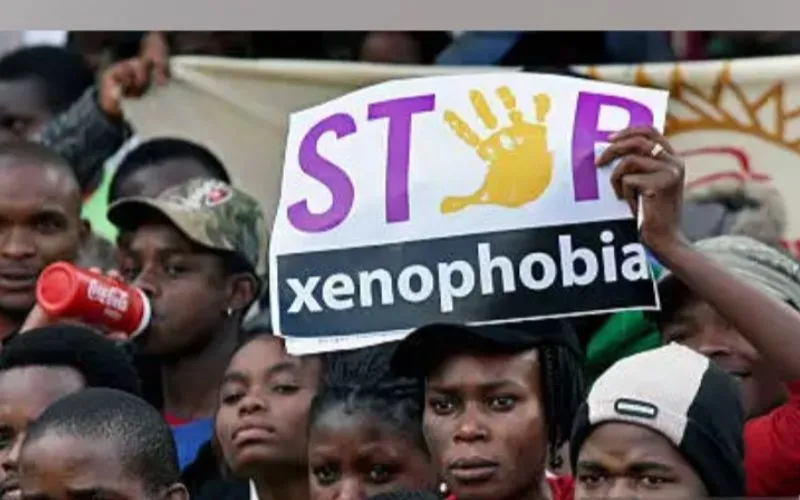
The Inter-Regional Meeting of Bishops of Southern Africa (IMBISA) unequivocally condemned acts of xenophobia against migrants in South Africa, issuing a full statement on Tuesday, May 5. The regional Catholic bishops' conference described these actions as profound violations of human dignity, fundamental rights, and democratic principles. IMBISA members expressed their "discontent and repudiation of the acts of xenophobia being perpetrated against foreign residents and migrant refugees in South Africa," signaling a strong moral stance against the ongoing issues.
In their detailed statement, IMBISA emphasized that these acts violate the "dignity of the human person, fundamental rights, and the basic principles of democratic states governed by the rule of law." The conference showed that such actions undermine the very fabric of a just society and contradict the values enshrined in democratic governance. The statement specifically called for a "welcoming, respectful, and accountable stance" towards foreign residents and migrants, advocating for a societal approach that upholds human rights and dignity for all individuals, regardless of their origin.
IMBISA's Moral Stance and Call to Action
The membership of IMBISA is comprised of Local Ordinaries drawn from nine Southern African countries, reflecting a broad regional consensus on these critical issues. These nations include Angola, Botswana, Eswatini, Lesotho, Mozambique, Namibia, São Tomé and Príncipe, South Africa, and Zimbabwe. This diverse representation notes the widespread concern across the region regarding the treatment of migrants and refugees. The bishops' conference invoked the profound words of Pope Francis from his message for the 110th World Day of Migrants and Refugees, stating that “the encounter with the migrant … is also an encounter with Christ.” This spiritual perspective frames the issue not just as a matter of policy or law, but as a fundamental test of human compassion and faith. IMBISA members noted the papal reflection's call for “a deeper conversion of heart” in how societies engage with migrants and refugees, suggesting a need for a fundamental shift in attitudes and perceptions.
The conference urged public authorities, civil society, and local communities to adopt a “welcoming, respectful, and accountable stance” against discrimination and violence. This call to action is directed at all levels of society, from governmental bodies responsible for policy and security to individual citizens and community groups. IMBISA members reiterated their "discontent and repudiation of the acts of xenophobia being perpetrated against foreign residents and migrant refugees in South Africa," emphasizing the urgency of addressing these systemic issues. The organization's statement further emphasized that "acts of xenophobia perpetrated against migrants violate the dignity of the human person, fundamental rights, and the basic principles of democratic states governed by the rule of law." This stance shows a moral imperative for South African society to uphold human dignity and legal principles in its treatment of foreign residents, advocating for a society where all individuals are afforded respect and protection under the law.
Context of Persistent Xenophobic Violence
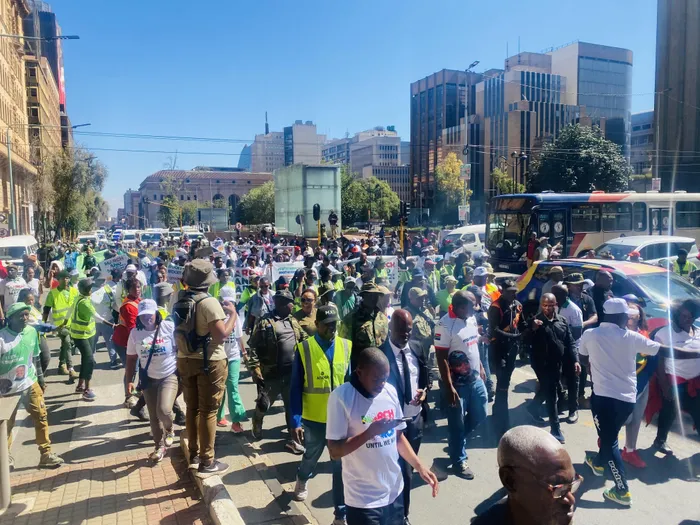
South Africa has continued to experience recurring incidents of violence, intimidation, and attacks targeting migrants and foreign nationals in 2026, marking a troubling continuity of past trends. Renewed anti-immigrant protests have occurred in several urban centers across the country, leading to fear and displacement among affected communities. The Commission noted that these incidents form part of a longer, deeply concerning history of xenophobic attacks within the nation. Major outbreaks of violence against foreign nationals occurred previously in 2008 and 2015, periods that saw significant loss of life and property, and widespread condemnation both domestically and internationally.
The latest wave of renewed violence and intimidation has been meticulously documented in provinces including Gauteng, KwaZulu-Natal, and Eastern Cape, indicating a geographically widespread problem rather than isolated incidents. Nationals from Nigeria, Ghana, and Zimbabwe were among those most affected by assaults, looting, and forced shop closures during these incidents, noting the specific targeting of certain communities. The targeted communities have reported significant disruption to their livelihoods and personal safety, often losing their businesses and homes, and facing constant threats. The ongoing nature of these events shows persistent challenges in addressing xenophobia within the country, pointing to deeply entrenched social and economic factors that fuel such animosity. These incidents not only cause immediate harm but also damage South Africa's reputation as a democratic nation committed to human rights.
International and Government Reactions
In response to these escalating concerns, governments and societies share a collective responsibility to uphold the rights and dignity of migrants and refugees, aligning with established Southern African Development Community (SADC) frameworks. These frameworks, which promote regional integration and human rights, provide a basis for collective action and accountability. On April 27, the African Commission on Human and Peoples’ Rights expressed grave concern over xenophobic violence and vigilante conduct against migrants in South Africa. The Commission asserted that such actions contravene the African Charter on Human and Peoples’ Rights, a foundational document for human rights protection across the continent. This intervention from a key regional human rights body shows the severity and regional impact of the xenophobic incidents.
Separately, South Africa’s Police Ministry declared that xenophobic attacks and incitement "have no place in a constitutional democracy," a statement intended to reaffirm the government's commitment to the rule of law and protection of all residents. This official stance from a key government ministry indicates an awareness of the legal and moral implications of such violence. Additionally, both Ghana and Nigeria independently communicated their concerns to Pretoria regarding the reported attacks. These diplomatic interventions from fellow African nations highlight the continental concern over the safety and rights of their citizens residing in South Africa, putting further pressure on the South African government to address the issue effectively and sustainably. The international community, through various channels, continues to monitor the situation closely, emphasizing the need for strong measures to prevent future occurrences and ensure justice for victims.