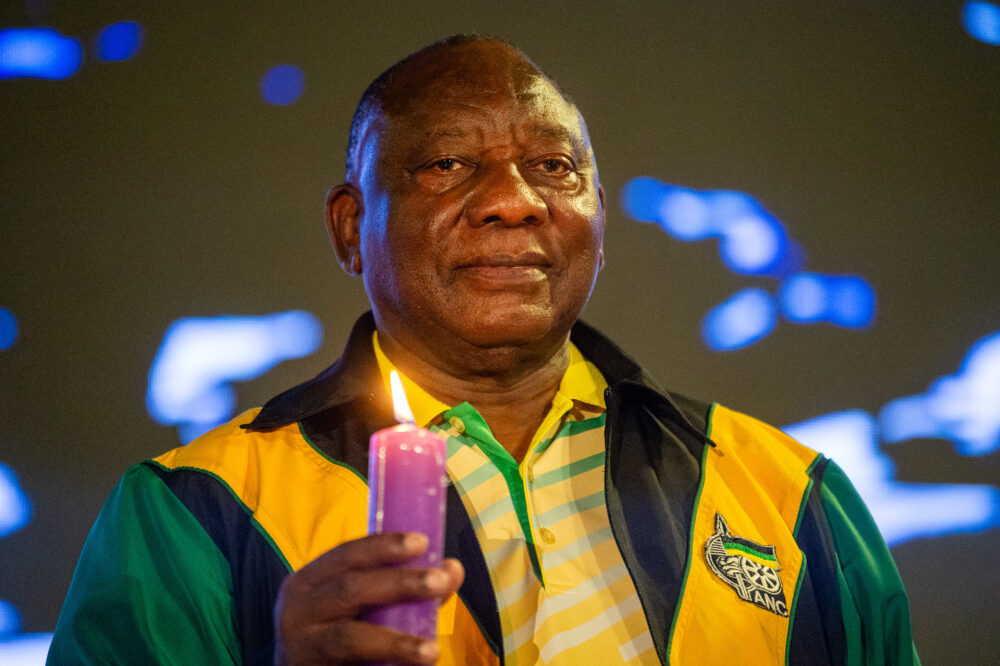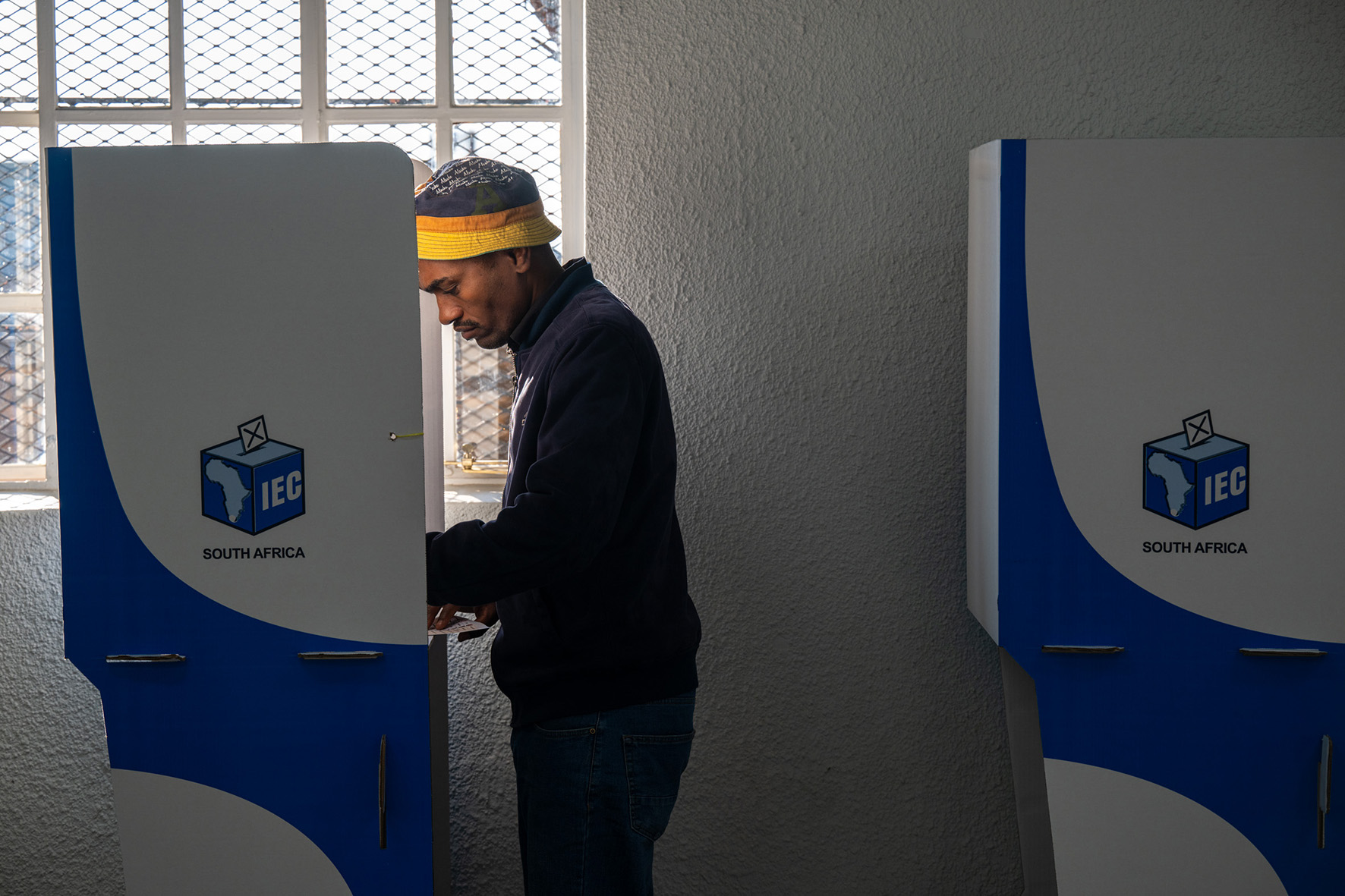
President Cyril Ramaphosa officially announced the date for South Africa's local government elections, setting them for Wednesday, November 4, 2026. The announcement was made on a Thursday, confirming the timeline for the upcoming municipal polls and providing clarity for both electoral bodies and the public. This significant declaration by the President initiates the formal preparations for the nationwide electoral process. The Electoral Commission of South Africa (IEC) has expressed confidence that this specific date will effectively avoid any conflict with the national school examination schedule, a key concern for educational institutions and parents alike. The selection of a Wednesday for the elections is a deliberate choice, aiming to minimize disruption throughout the week while maximizing voter turnout.
Strategic Election Scheduling
The election date for South Africa's local government polls is strategically set for November 4, 2026, which is six weeks before the conclusion of the school term. This timing is a key element of the planning process undertaken by the Electoral Commission of South Africa (IEC). The IEC has intentionally placed the November 4, 2026, date to minimize disruption to the academic calendar, a factor that has historically posed challenges during election periods. This careful scheduling aligns with the IEC's overarching objective to conduct elections prior to the national school examinations reaching their peak intensity, thereby safeguarding the integrity of both the electoral process and the academic year. The Commission specifically considered the timing relative to the examination schedule when determining the precise election date, ensuring that the critical period for student assessments remains largely unaffected. The aim is to hold elections before the examination season is in full swing, preventing any overlap that could compromise either event.
The decision to hold the elections on November 4, 2026, includes a vital provision for the day to be declared a public holiday. This measure is specifically intended to facilitate student participation in the voting process, particularly for pupils of voting age who are eligible to cast their ballots. By designating election day as a public holiday, pupils will have the opportunity to cast their votes without conflicting with their academic commitments or attendance, removing a significant barrier to participation. This approach also helps to ensure that school premises, which frequently serve as polling stations across the country, are available for electoral activities without impacting teaching schedules or requiring schools to manage simultaneous educational and electoral functions. The IEC's full planning considers the operational demands of using schools as polling venues and shows the importance of maintaining an uninterrupted educational environment for learners. This thoughtful consideration aims to balance the constitutional right to vote with the educational needs of the nation's youth.
Schools as Ideal Polling Stations
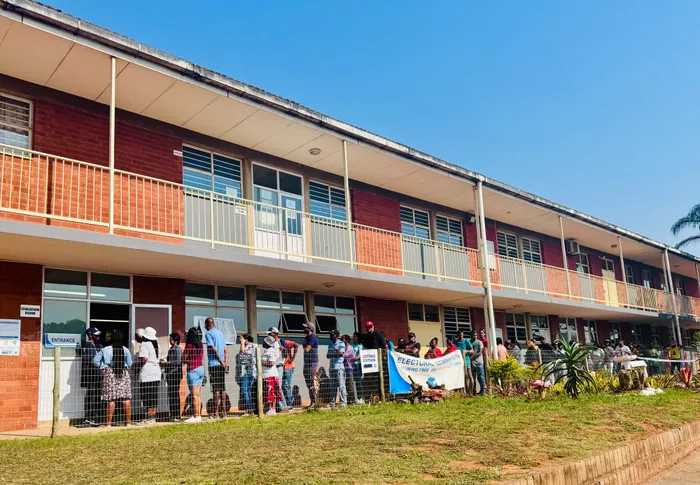
Schools are considered more suitable for election purposes than community halls and churches, primarily due to their greater space and accessibility, according to officials from the Electoral Commission of South Africa. This preference is rooted in practical considerations that enhance the efficiency and reach of the electoral process. The widespread distribution of school premises within communities makes them inherently accessible, facilitating the IEC's aim for voters to be able to walk to their designated voting stations. This goal is key for encouraging broad participation and ensuring that voting is as convenient as possible for all eligible citizens, reducing the need for extensive travel. The infrastructure of schools, often including multiple classrooms and larger halls, provides ample space for setting up voting booths, managing queues, and accommodating electoral staff, which can be more challenging in smaller community venues.
The IEC may also utilize the expertise of teachers to assist voters at polling stations, if such personnel are available and willing to participate. This potential collaboration could significantly streamline the voting process, leveraging existing institutional knowledge and community trust. Teachers, being familiar with community dynamics and often possessing strong organizational skills, can be valuable assets in ensuring the smooth operation of polling stations. However, it is a strict requirement that schools designated as polling stations will need to be closed on election day to accommodate the electoral activities fully. This closure ensures the safety and security of the electoral process, prevents any interference with voting, and allows for the complete transformation of school premises into functional voting centers.
Professor Mary Metcalfe, an expert in education, stated that all institutions serving as polling stations would need to close for the election day to ensure dedicated space and focus for the electoral process. Professor Metcalfe added that specific affected schools would implement suitable arrangements to minimize any loss of learning time on the day before and after the election. This measure aims to reduce the impact on the academic calendar while ensuring the smooth operation of the elections, reflecting a commitment to both civic duty and educational continuity. To further mitigate concerns about lost learning time, most schools, including those that serve as voting stations, often utilize holidays and weekends for additional classes to prepare pupils for upcoming examinations. This practice notes the existing flexibility within the education system to manage potential disruptions and recover instructional time. For instance, schools might schedule catch-up sessions or extra lessons during non-school days to compensate for any time lost due to the election, demonstrating their adaptability.
Expert and Ministerial Assurances
The Electoral Commission of South Africa (IEC) has provided explicit confirmation that no National Senior Certificate (NSC) examinations are scheduled for November 4, 2026, the designated election day. This assurance extends to the preceding setup day of November 3 and the subsequent cleanup day of November 5, ensuring a clear window around the election for all logistical activities without impinging on critical exam periods. The IEC meticulously factored the timing relative to the examination schedule when determining the election date, demonstrating a proactive approach to prevent any clashes. Cooperative Governance and Traditional Affairs Minister Velenkosini Hlabisa further reinforced these assurances, stating unequivocally that the election date was chosen to present fewer challenges compared to potential alternative dates in December or January, which are typically associated with different sets of logistical complexities and public availability.
Minister Hlabisa emphasized the importance of planning and coordination, noting that pupils of voting age would need to cast their ballots, making the public holiday provision particularly relevant. He noted that there is sufficient time for relevant departments, including the Department of Basic Education, to plan comprehensively for the election and its implications for the academic calendar. "During that week, they know how they are going to manage the examinations to allow fewer exam activities because it is a matter of planning," Minister Hlabisa said, stressing the importance of early notification and collaborative strategizing. He added, "That is why we gave consultation at the beginning of last year, and we reached a consensus that if people knew early, they would all plan accordingly, as to how to ensure that there are fewer examination activities during that week to allow the public holiday." This early consultation process was critical in garnering agreement and allowing all stakeholders ample time to prepare their respective schedules.
Regarding the selection of November 4, 2026, Minister Hlabisa explained the comparative advantages of the chosen date over other possibilities. "Comparatively, if you look at December, it would have been a challenge because people would have moved (for the festive season), and January is back to school, and there is much disruption," he stated, outlining the logistical hurdles associated with alternative months. December typically sees significant internal migration and holiday travel, which could depress voter turnout and complicate the deployment of electoral staff. January, conversely, marks the beginning of a new academic year, a period of intense organizational activity for schools, which would make their use as polling stations particularly disruptive. "We had limited choices, and we had to look for the day that had fewer challenges if you plan for that particular day," Minister Hlabisa concluded, showing the pragmatic decision-making process. For context, in 2025, the national senior certificate (NSC) exams were conducted over a period between October 20 and November 27, illustrating the typical duration and timing of these key assessments. This historical data further informed the IEC's decision to ensure the 2026 election date would not overlap with the peak of the NSC examination period. Schools retain the flexibility to schedule internal assessments for Grades R to 11 for the five weeks following the elections, offering a buffer period for non-NSC academic activities. This arrangement ensures that while the national examinations are protected, other school-based assessments can proceed without immediate conflict, allowing for a phased approach to the academic calendar around the election.