South African authorities have responded swiftly to a hantavirus outbreak after three individuals, including a Dutch couple and a German national, died in a suspected incident. This tragic situation has drawn significant international attention. The outbreak gained international attention following the death of a 69-year-old Dutch woman who collapsed at an airport in South Africa and later tested positive for the Andes strain of hantavirus. Her husband, a British national, fell ill on April 27 after their ship, the MV Hondius, departed Saint Helena, and is currently in intensive care in Johannesburg, with reports indicating his condition is improving. Tragically, the woman's husband, who was the first patient, passed away in St Helena from Hantavirus. This marked a somber beginning to the series of events.
South African officials confirmed detecting the virus within 24 hours of receiving an alert from international colleagues, demonstrating a rapid and coordinated public health response. Contact tracing efforts were initiated even before the specific pathogen causing the illnesses was identified, according to reports, noting the proactive approach taken by health authorities. The Andes strain is notably the only known Hantavirus strain capable of human-to-human transmission, although this occurrence is rare and typically requires very close contact with an infected individual. This characteristic of the Andes strain shows the importance of stringent contact tracing and isolation measures in managing the outbreak.
Cruise Ship Origin and Spread
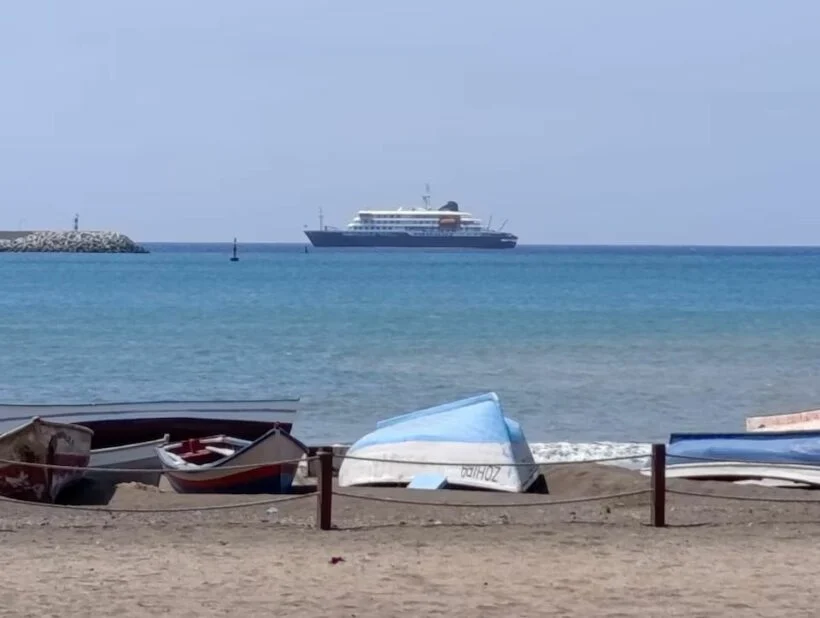
The three initial patients were passengers aboard the cruise ship MV Hondius, which was sailing from Argentina to the Canary Islands via Cape Verde. The Andes strain of Hantavirus, predominant in South America, caused the infection. Three individuals with suspected hantavirus were evacuated on Wednesday morning from the cruise ship after the outbreak. Another passenger previously on board the MV Hondius has tested positive for hantavirus and is currently receiving treatment at a Swiss hospital.
Authorities have identified eight cases of hantavirus so far, with three confirmed and five suspected. The first suspected case involved a 70-year-old Dutchman who fell ill onboard with symptoms including fever, headache, abdominal pain, and diarrhea. He died on board the vessel on April 11. On May 2, a German national died on board the MV Hondius after presenting with pneumonia. These fatalities showed the severity of the outbreak. Two crew members, one a British national and the other a Dutch national, are experiencing acute respiratory symptoms that require urgent care. A seventh person reported a mild fever and is now feeling well. The MV Hondius first departed from Ushuaia, Argentina, over a month ago. The ship had made stops in Antarctica before returning to Ushuaia and departing again on April 1. It then stopped at Saint Helena before anchoring off Praia on Sunday, tracing a long journey across the Atlantic.
South Africa's Public Health Response
Health Minister Dr Aaron Motsoaledi briefed Parliament’s Portfolio Committee on Health on Wednesday morning regarding the nation's response. Contact tracing efforts identified 62 individuals who could have potentially come into contact with the patients, with 42 of these traced individuals now under observation. Officials stated that South African rats are not known to carry Hantavirus, suggesting a foreign origin for the current cases. Collaboration is currently underway with experts in South America and the World Health Organisation (WHO) to address the outbreak, emphasizing the global nature of the response required.
Contact tracing initiatives also extended to an April 25 flight to Johannesburg, which carried the Dutchwoman who later died. This effort has been initiated for 82 passengers and six crew members from that flight. Airlink, the airline operating the flight, provided South Africa’s health ministry with the passenger list to facilitate these investigations, ensuring all potential contacts were identified. The WHO confirmed that the Andes strain infected passengers, a determination made after sequencing by South African and Swiss authorities, which provided key genetic evidence for the pathogen.
Reports indicated that almost 150 people, including 17 Americans, remain onboard the MV Hondius. The ship has implemented strict health and safety procedures, which include isolation measures, hygiene protocols, and continuous medical monitoring of individuals on board. These measures are critical for preventing further spread among passengers and crew. The MV Hondius had previously made stops in Antarctica before returning to Ushuaia and departing again on April 1, according to officials, outlining its extensive travel itinerary prior to the outbreak.
International Reactions and Docking Disputes
Local objections have emerged regarding plans for the MV Hondius to dock at the Canary Islands. Fernando Clavijo, the leader of the Canary Islands, expressed his opposition to the ship docking there, stating, "Without having information, I cannot allow them to enter the Canary Islands, because we don’t know what we are dealing with." Mr. Clavijo requested an urgent meeting with Spain’s Prime Minister Pedro Sánchez to discuss the situation. Despite these concerns, the Spanish government indicated it would allow the ship to dock in Tenerife, one of the Canary Islands, in approximately three days. This decision reflects a balance between humanitarian concerns and public health precautions.
Oceanwide Expeditions, the tour company operating the vessel, has formally requested permission to dock in Tenerife on May 9. The MV Hondius is currently anchored off the coast of Praia, the capital of Cape Verde, awaiting further instructions. The plan is for the ship to sail to the Canary Islands, a journey anticipated to take three days. Upon its arrival, Spanish authorities plan to conduct a full epidemiological investigation and a complete disinfection of the ship, ensuring all necessary health protocols are followed before passengers disembark.
Three individuals were evacuated from Cape Verde and are scheduled to travel to the Netherlands for further medical attention. Additionally, two specialist doctors from the Netherlands will arrive and remain with the vessel after it leaves Cape Verde, providing ongoing medical support and expertise. The vessel had previously stopped at Saint Helena before anchoring off Praia on Sunday. A British national onboard fell sick on April 27, after the ship departed Saint Helena, further noting the timeline of the illness onset. The plan remains for the ship to head for Tenerife, where full health assessments will be conducted.
Understanding Hantavirus and Risks
Hantavirus is a zoonotic disease, typically transmitted from wild animals to humans, and is considered endemic to the Americas. The Andes virus strain, primarily found in Chile and Argentina, was identified in the current outbreak, confirming its South American origin. Health authorities have stressed that the outbreak does not present a wider public health risk, aiming to allay fears among the general population. The World Health Organization stated that some human-to-human transmission might have occurred among individuals on board the vessel, particularly given the close quarters of a cruise ship environment. Passengers who fell ill developed symptoms between April 6 and 28, providing a clear window for epidemiological investigation. Swiss authorities confirmed a man is receiving treatment for hantavirus at the University Hospital Zurich, and doctors established he is suffering from the Andes strain of the virus. One of the evacuated individuals is the ship's doctor, showing the impact on the vessel's medical staff. According to the CDC, approximately 38% of people who develop respiratory symptoms of hantavirus may die, noting the serious nature of the infection. The ongoing monitoring and collaborative international response are key for containing this rare but serious public health challenge.