Sipho Jolingana was fatally shot in Kariega, Nelson Mandela Bay, on July 24, 2022. The tragic death of Sipho Jolingana, a resident of Kariega within the Nelson Mandela Bay metropolitan area, marked the beginning of a complex investigation into an alleged "murder for money" syndicate. Following his death, Mandisa Jolingana, Sipho's mother, reported being offered R20,000 by two men to falsely claim a relationship with Sipho for a funeral policy payout. This alleged offer occurred after Mandisa Jolingana went to the Kamesh police station to identify her son's body, a deeply distressing event that was quickly followed by a proposition that would later become central to the court proceedings. Mandisa Jolingana was subsequently assassinated at her Kariega home on May 26, 2023, less than a year after her son's murder, raising grave concerns about potential retribution.
Detective Ben Michaels, a Kamesh detective, testified in court, presenting statements Mandisa Jolingana made in 2022. These key statements, detailing the alleged attempts to involve her in an insurance fraud scheme, were read into the court record by Detective Michaels. Michaels' testimony included specific details about the financial offer made to Mandisa Jolingana after Sipho Jolingana’s death, directly linking the incidents to an alleged sophisticated insurance fraud scheme. The court heard how the syndicate allegedly orchestrated deaths to claim substantial insurance payouts, with Mandisa Jolingana's statements providing key insights into their methods and the dark underbelly of their operations. These revelations have cast a stark light on the alleged criminal enterprise operating within the region.
Syndicate's Alleged Crimes Unveiled
The alleged syndicate has been linked to nine murders, according to extensive court proceedings and police investigations. These nine murders form the core of the charges against the accused individuals, noting the severe nature of the alleged criminal enterprise. Six of these murders were specifically connected to 29 fraudulent funeral policies spread across multiple insurance companies, indicating a systematic approach to exploiting the insurance sector. Authorities state that the group allegedly profited by more than R1.7-million from these deaths through illicit insurance claims, demonstrating the significant financial motivation behind their alleged actions. This substantial sum represents the successful payouts obtained from various insurance providers.
An additional R770,000 in claims were repudiated by insurance providers after being flagged for possible irregularities, indicating a broader pattern of suspicious activity that eventually drew the attention of law enforcement. These repudiated claims suggest that the syndicate's attempts were not always successful, but their persistence in filing numerous claims shows the scale of their alleged fraudulent activities. Beyond the murder charges, the accused individuals face further charges including conspiracy to commit murder, racketeering, and money laundering, reflecting the full nature of the alleged criminal organization and its multifaceted illegal operations. During the court's proceedings, a witness identified Ntobeko Msome and Xolelwa Msome as individuals he had previously worked for, providing potential links between the accused and their alleged operational network. This testimony is part of the ongoing investigation into the syndicate's operations in the Eastern Cape, aiming to fully uncover the extent of their alleged criminal enterprise.
Mother's Testimony and Murder
Mandisa Jolingana, mother of the deceased Sipho Jolingana, identified her son's body at the Kamesh police station, according to detailed court documents. It was during this emotionally vulnerable time, while at the police station, that she was allegedly approached by Siyabulela Mbane, identified as accused number one, and Ntobeko Msome, identified as accused number two. These two individuals reportedly offered her R20,000 to falsely claim a relationship for a funeral policy payout, an offer Mandisa Jolingana reportedly rejected. The alleged proposition aimed to leverage her grief for financial gain through fraudulent means. Kamesh detective Ben Michaels read Mandisa Jolingana's affidavits detailing these events into the court record during the trial, providing a chilling account of the syndicate's alleged modus operandi. These affidavits are considered critical pieces of evidence, offering a direct perspective on the alleged scheme.
However, the defence attorneys for the accused have indicated their intention to challenge the admissibility of Mandisa Jolingana’s statements. They argue that her affidavits constitute hearsay evidence, raising significant questions about their legal standing and evidentiary weight in the ongoing proceedings. The defence's challenge is a common legal strategy aimed at excluding evidence that might be prejudicial or not directly verifiable through live testimony. The court is expected to rule on the admissibility of these key statements as the trial progresses in Gqeberha, a decision that could significantly impact the direction and outcome of the case. The legal battle over these statements shows the complexity and high stakes involved in this trial.
Broader Criminal Landscape
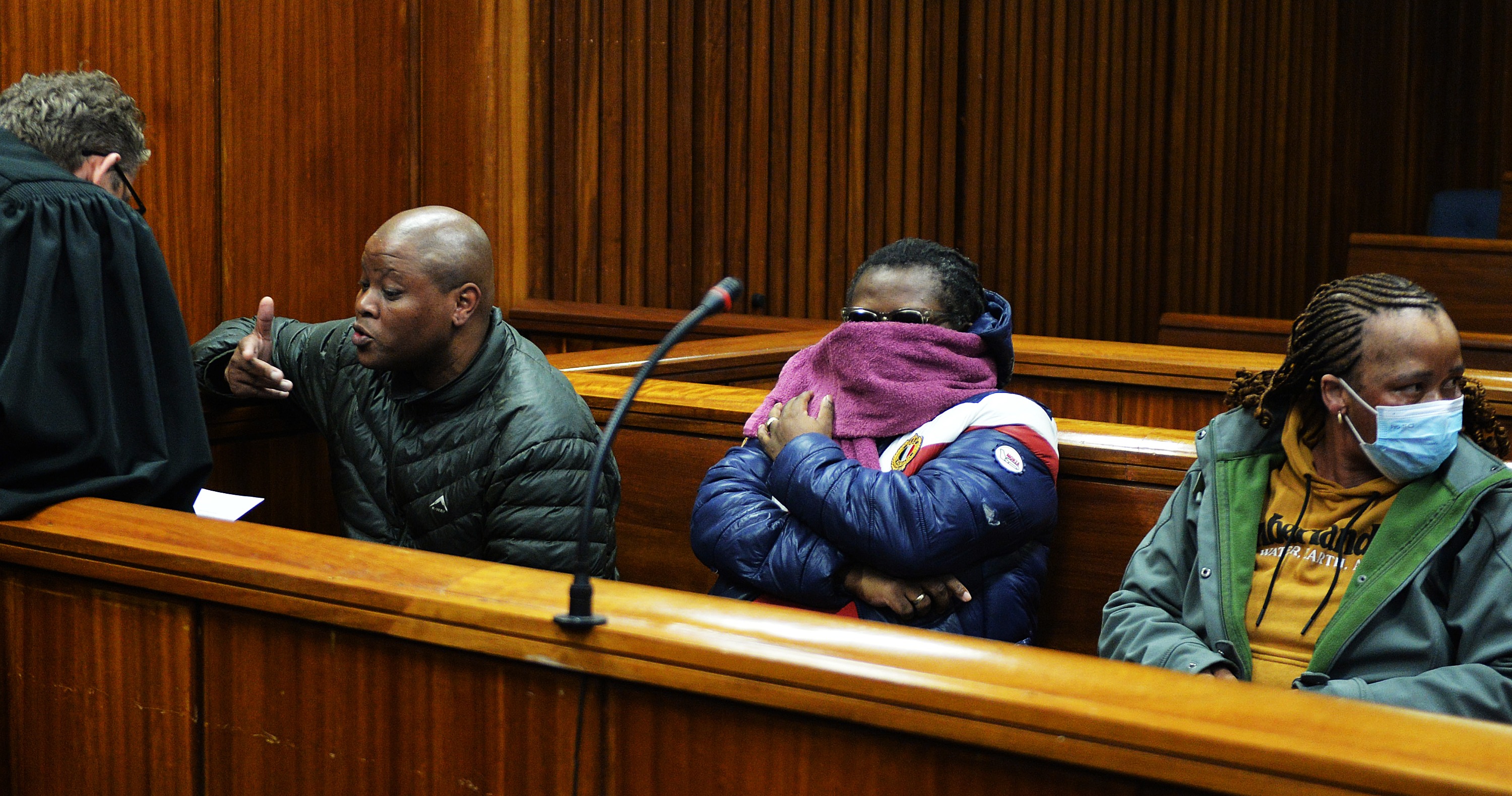
The trial involves four accused individuals: Siyabulela Mbane, Ntobeko Msome, his wife Xolelwa Msome, and Unathi Peter. These individuals were arrested in 2023 in connection with the alleged syndicate operations, following extensive police work and intelligence gathering. The arrests followed the establishment of the police Murder for Money (MFM) task team in December 2024, a specialized unit specifically created to address such complex cases involving insurance fraud and murder. The formation of this task team notes the growing concern among law enforcement agencies regarding these types of crimes.
Nelson Mandela Bay has been identified as a hotbed for insurance-related murders, drawing significant attention from law enforcement and the public to the prevalence of such crimes in the region. This designation as a "hotbed" shows the urgency and necessity of dedicated police efforts to dismantle these criminal networks. The MFM task team's formation shows the dedicated effort to dismantle criminal networks exploiting insurance policies for financial gain, aiming to bring perpetrators to justice and deter future offenses. The current trial, which has already seen significant testimony and legal challenges, is anticipated to be postponed until early 2027. This extended timeline reflects the inherent complexity of the case, involving multiple defendants, numerous alleged victims, intricate financial investigations, and detailed forensic analysis. The court proceedings continue to shed light on the methods and scope of the alleged "murder for money" syndicate, revealing a dark chapter in the region's criminal landscape and the challenges faced by justice officials in combating such organized crime. The outcome of this trial is eagerly awaited, as it could set a precedent for how similar cases are handled in the future.