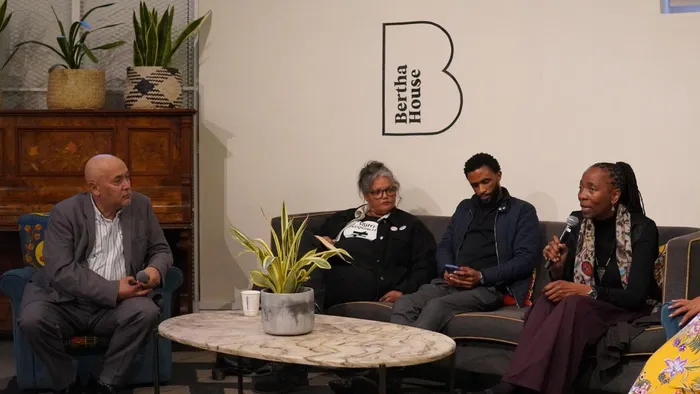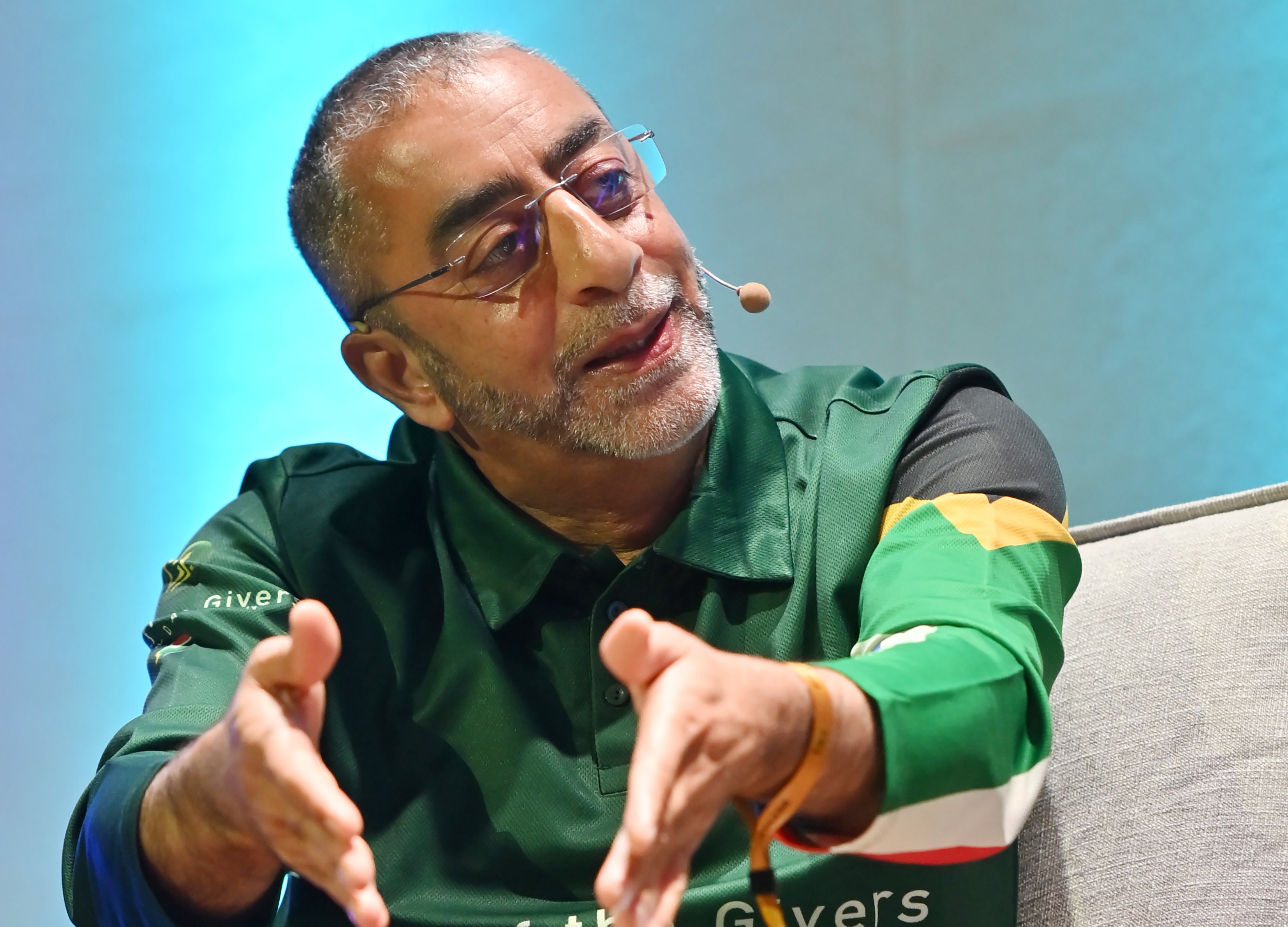
Gift of the Givers founder and chair Dr. Imtiaz Sooliman called for systemic change during an interview at The Gathering in Cape Town on Friday, September 11, 2026. The prominent humanitarian leader urged attendees to focus on solutions rather than anger when addressing societal issues, emphasizing a proactive approach to national challenges. Speaking at the well-attended event, Sooliman articulated a vision for collective responsibility and constructive engagement. "Instead of getting angry, fix the damn system. Listen to them," he stated, emphasizing the importance of understanding and resolving underlying problems through diligent effort and open communication. His remarks noted a call for active engagement in improving existing structures, moving beyond mere criticism to tangible action. The interview provided a platform for Dr. Sooliman to share his unique perspective on governance, civil society, and the role of the media in fostering a more resilient nation. He consistently advocates for an approach that prioritizes understanding the root causes of problems and working collaboratively to implement effective, long-term solutions, rather than succumbing to frustration or despair.
Remembering a Dedicated Journalist
The occasion of The Gathering also served as a moment for reflection and remembrance, particularly for a dedicated member of the press. Daily Maverick journalist Estelle Ellis passed away suddenly on Wednesday evening, August 5, 2026, at the age of 51. Her untimely death left a significant void in the journalistic community, particularly given her unwavering commitment to reporting on critical social issues. Dr. Imtiaz Sooliman, founder of Gift of the Givers, remembered Ellis for her exceptional thoroughness in reporting, a quality he deeply respected and relied upon. He recounted how Ellis consistently demonstrated a careful approach to her work, ensuring accuracy and depth in her investigations. "She did the research thoroughly," he stated, recalling how she would routinely contact him with detailed information about various crises unfolding across the country. This level of preparation and dedication meant that her inquiries were always well-informed, allowing for more effective and targeted humanitarian responses.
Dr. Sooliman's initial encounter with Estelle Ellis occurred at a Wimpy restaurant in Makhanda in February 2019, a meeting that marked the beginning of a significant professional relationship built on mutual trust and a shared commitment to public service. From that point onward, Ellis consistently reported on critical issues that deeply affected vulnerable communities, bringing much-needed attention to their plight. Her extensive journalistic portfolio included detailed coverage of persistent drought conditions, the severe impact on farmers and their livestock, the broad consequences of the Covid-19 pandemic, and the widespread and severe hunger crisis plaguing the Eastern Cape. Her reporting often noted urgent humanitarian needs, serving as a vital link between affected communities and organizations capable of providing assistance. Through her diligent work, Ellis not only informed the public but also directly facilitated humanitarian interventions by drawing the attention of key figures like Dr. Sooliman to pressing concerns.
One particularly impactful instance of her reporting involved a critical infrastructure issue. Ellis brought to Dr. Sooliman's attention a significant backlog of 5,000 outstanding wheelchairs in the province, a statistic that showed a severe lack of mobility support for many individuals. This specific and alarming piece of information prompted Gift of the Givers to initiate a dedicated project aimed at addressing the urgent need for these 5,000 wheelchairs, demonstrating the direct link between her investigative journalism and tangible humanitarian action. Ellis played a key role in raising awareness about the profound hunger crisis in the Eastern Cape. Her reporting on this issue intensified after she covered a truly tragic incident where a mother took her own life and the lives of her children due to an unbearable lack of food. This harrowing story showed the extreme desperation faced by many and galvanized further efforts by Gift of the Givers to provide food aid and support to the region. Her ability to unearth such critical details and convey their urgency was a hallmark of her distinguished career.
A Call for Citizen Ownership
Dr. Imtiaz Sooliman, founder of Gift of the Givers, emphasized a fundamental principle regarding national responsibility, stating unequivocally that "The country does not belong to the government." He conveyed this perspective during his address at The Gathering, advocating for a broader sense of responsibility and active participation among the populace. Sooliman urged citizens to "take ownership of their country," noting the profound importance of active participation and accountability that extends beyond governmental structures alone. This call for citizen engagement showed his belief that collective action is absolutely essential for national progress and for effectively addressing the myriad problems facing society. He stressed that a nation's strength lies in the active involvement of its people, fostering a sense of shared stewardship rather than passive reliance on official bodies.
Sooliman further elaborated on the deep motivations behind his extensive humanitarian work, describing it not as a calculated career choice, but as an innate, compelling drive. He characterized his efforts as an instinct to respond to crises, a profound and immediate impulse that guides his actions and the operations of Gift of the Givers. Referring to this powerful impulse as a "spiritual feeling," he conveyed a sense of calling that transcends typical professional obligations or strategic planning. This personal attribution suggests a deep, intrinsic connection to his work, one that is rooted in a profound conviction to alleviate suffering and provide aid wherever it is needed most. His description implies that the organization's swift and broad humanitarian interventions stem from this profound, internal conviction rather than external pressures or purely logistical considerations. This spiritual underpinning, he suggests, is what fuels the tireless efforts of Gift of the Givers and allows them to respond with such dedication and speed to emergencies both locally and internationally.
Regarding the organization he founded, Gift of the Givers, Sooliman consistently distanced himself from any notion of personal proprietorship. He explicitly stated, with characteristic humility, "It’s not my organisation." This declaration reflects a philosophy of shared ownership and collective purpose, positioning the entity as a collaborative endeavor driven by a broader humanitarian mission rather than as a personal empire or a reflection of individual ambition. His statement reinforces the idea that the organization serves a public good, operating under a mandate that extends beyond any single individual's control or claim. This perspective aligns smoothly with his earlier call for citizens to take ownership of their country, suggesting a parallel between his view of Gift of the Givers as a collective asset and his overarching vision for national responsibility and communal stewardship. For Sooliman, the organization is a vehicle for collective goodwill, enabling countless individuals to contribute to a greater cause.
Bridging Government and Press
Dr. Imtiaz Sooliman, founder of Gift of the Givers, offered critical advice to government entities, urging them to engage constructively with the media rather than adopting an adversarial stance. He stated that officials should "listen to journalists rather than fight them," suggesting an approach rooted in cooperation, understanding, and mutual respect. Sooliman elaborated on this perspective, advocating for a fundamental shift in how government views the press, moving away from confrontation towards collaboration. He noted that journalists often serve as the eyes and ears of society, bringing key issues to light that might otherwise go unnoticed by official channels.
He urged government representatives to consider journalists not as adversaries, but as collaborative partners in the shared goal of national development and problem-solving. "Instead of fighting with journalists, use them as an ally. Instead of getting angry, fix the damn system. Listen to them," Sooliman powerfully articulated. This statement shows his belief that critical reporting, far from being a challenge to authority, can actually serve as an invaluable tool for identifying systemic issues and facilitating their resolution. He argued that when government adopts an open and receptive posture towards media insights, it gains a more accurate and immediate understanding of public sentiment and emerging crises. His recommendation implies that by actively engaging with and understanding media insights, government can better address societal problems, improve its own functioning, and ultimately build greater trust with the citizenry. This collaborative model, he contended, is essential for a healthy democracy and for fostering an environment where challenges are met with solutions rather than denial or conflict.