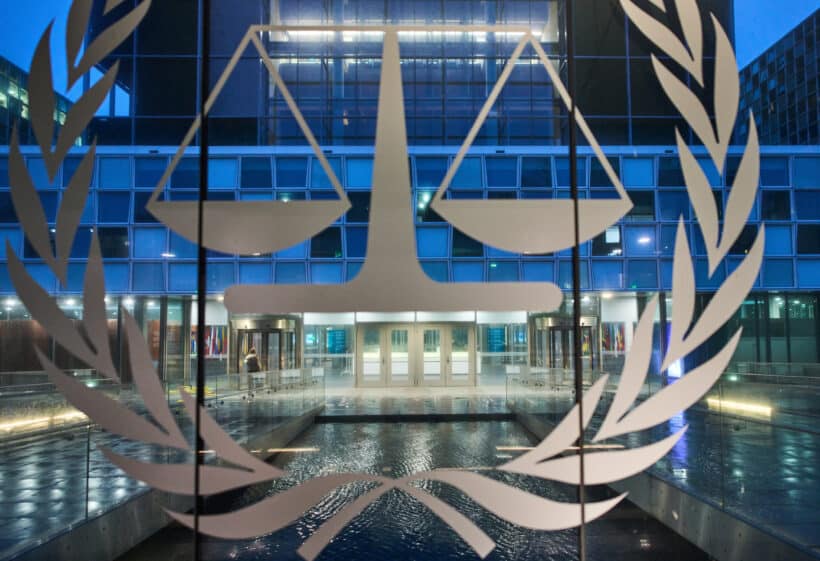
Two Ghanaian nationals have petitioned the International Criminal Court (ICC) in The Hague, Netherlands, seeking a preliminary investigation into attacks against foreign nationals in South Africa. Palgrave Boakye-Danquah, a former Ghanaian government spokesperson on governance and security, and Emmanuel Kotin, a counter-terrorism and security analyst, filed the petition. The submission accuses President Cyril Ramaphosa’s government of failing to prevent or punish these crimes, which include murder. This formal request to the ICC marks a significant step in international efforts to address the ongoing violence and its impact on migrant communities within South Africa. The petitioners are specifically calling for the ICC to open a preliminary investigation into the matter, hoping to bring international scrutiny and accountability to the situation.
Wave of Anti-Immigrant Violence
South Africa has experienced a surge in anti-immigrant protests in recent months, which have been accompanied by violence targeting foreign nationals. Protesters have publicly blamed foreigners for a range of societal problems, including high crime rates and persistent unemployment. This narrative has fueled widespread animosity and has been a driving force behind the xenophobic incidents. This unrest has prompted a significant exodus, with tens of thousands of individuals reportedly fleeing the country in search of safety elsewhere. The scale of displacement shows the severity of the threat perceived by foreign nationals residing in South Africa. Despite the public narrative linking migrants to these issues, migrants constitute approximately 5% of South Africa's total population. This demographic data often contrasts sharply with the rhetoric used by protesters, suggesting that the blame placed on foreigners may be disproportionate to their actual presence or impact on the national economy and social structure.
Allegations Against Government
The petition submitted by Ghanaian nationals Palgrave Boakye-Danquah and Emmanuel Kotin specifically alleges that the ongoing attacks against foreign nationals in South Africa could constitute crimes against humanity. This grave accusation forms a central part of their appeal to the International Criminal Court (ICC), noting the severe nature of the violence. The petitioners argue that the South African government, under President Cyril Ramaphosa, has failed to adequately prevent these violent incidents or to prosecute those responsible, thereby creating an environment where such crimes can persist. Their filing implicates the government's inaction as a contributing factor to the severity and recurrence of the violence. This alleged failure to act includes not only preventing the initial attacks but also a perceived lack of effective prosecution for those who commit these crimes, including murder.
The petition outlines that the consistent targeting of foreign nationals, coupled with the alleged lack of effective governmental response, meets the criteria for crimes against humanity as defined under international law. This assertion places the responsibility for addressing the violence squarely with the South African state, suggesting a systemic failure to protect vulnerable populations within its borders. The submission to the ICC aims to initiate a preliminary investigation into these claims, potentially leading to further legal action against those deemed responsible for the alleged atrocities. By bringing this matter before the ICC, the petitioners seek to leverage international legal mechanisms to compel the South African government to take more decisive action to protect foreign nationals and ensure justice for victims. The petition further emphasizes that the government's perceived impunity for perpetrators has emboldened further attacks, creating a cycle of violence that demands international intervention.
South Africa's Response
The petition, submitted on July 15, alleges a "pattern of widespread and systematic attacks" against migrants in South Africa. These attacks have included instances where several African migrants were killed, beaten, and had their homes and shops looted. The detailed accounts within the petition paint a grim picture of the experiences of foreign nationals, who have faced severe physical harm, loss of property, and even death. South Africa has experienced periodic outbreaks of xenophobic violence for years, predating the latest petition. These incidents often involve local residents targeting foreign nationals, accusing them of taking jobs and contributing to crime, echoing the sentiments expressed by protesters in recent months. The long history of such violence shows the persistent challenge the country faces in integrating foreign communities and addressing underlying socio-economic grievances.
Despite the recurring nature of these events, the petitioners argue that the South African government has not adequately addressed the root causes or protected vulnerable populations. They contend that the government's response has been insufficient, allowing the cycle of violence to continue and escalate. The petition notes that the failure to effectively prosecute those responsible for past attacks has contributed to a climate of impunity, further endangering foreign nationals. The call for an ICC investigation is therefore presented as a necessary step to ensure accountability and to compel the South African authorities to implement more strong protective measures for migrants within its borders.