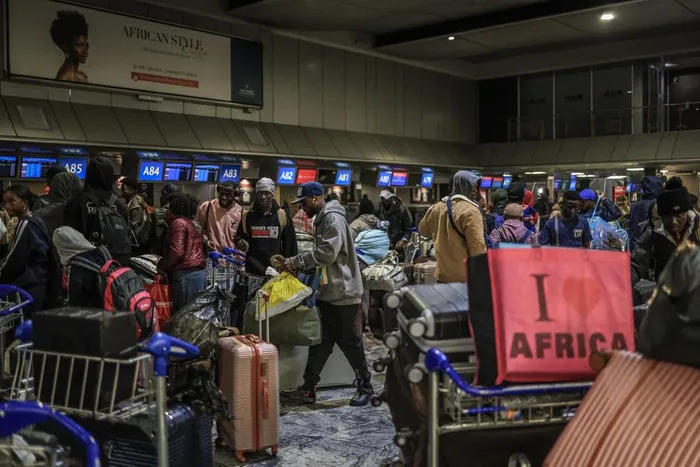
Ghana initiated the repatriation of some of its citizens from South Africa following recent reports of xenophobic violence in the country. This significant move by Ghana shows the growing concerns among African nations regarding the safety and well-being of their nationals residing in South Africa, especially in light of recurring incidents. Ghanaian President Nana Akufo-Addo approved the immediate evacuation in response to an advisory issued by the foreign ministry, which detailed the escalating situation. The decision came "following the latest wave of xenophobic attacks," according to Samuel Okudzeto Ablakwa, Foreign Minister of Ghana, who posted the information on X. Mr. Ablakwa described the action as an "immediate evacuation," signaling the urgency of the situation for Ghanaian nationals residing in South Africa and the Ghanaian government's commitment to their protection. The move by Ghana shows concerns among African states regarding the safety of their citizens amidst recurring incidents of xenophobia in South Africa. This proactive measure by the Ghanaian government notes the serious nature of the threats perceived by its citizens and the diplomatic pressure such events place on regional relations.
South Africa's Xenophobic Climate
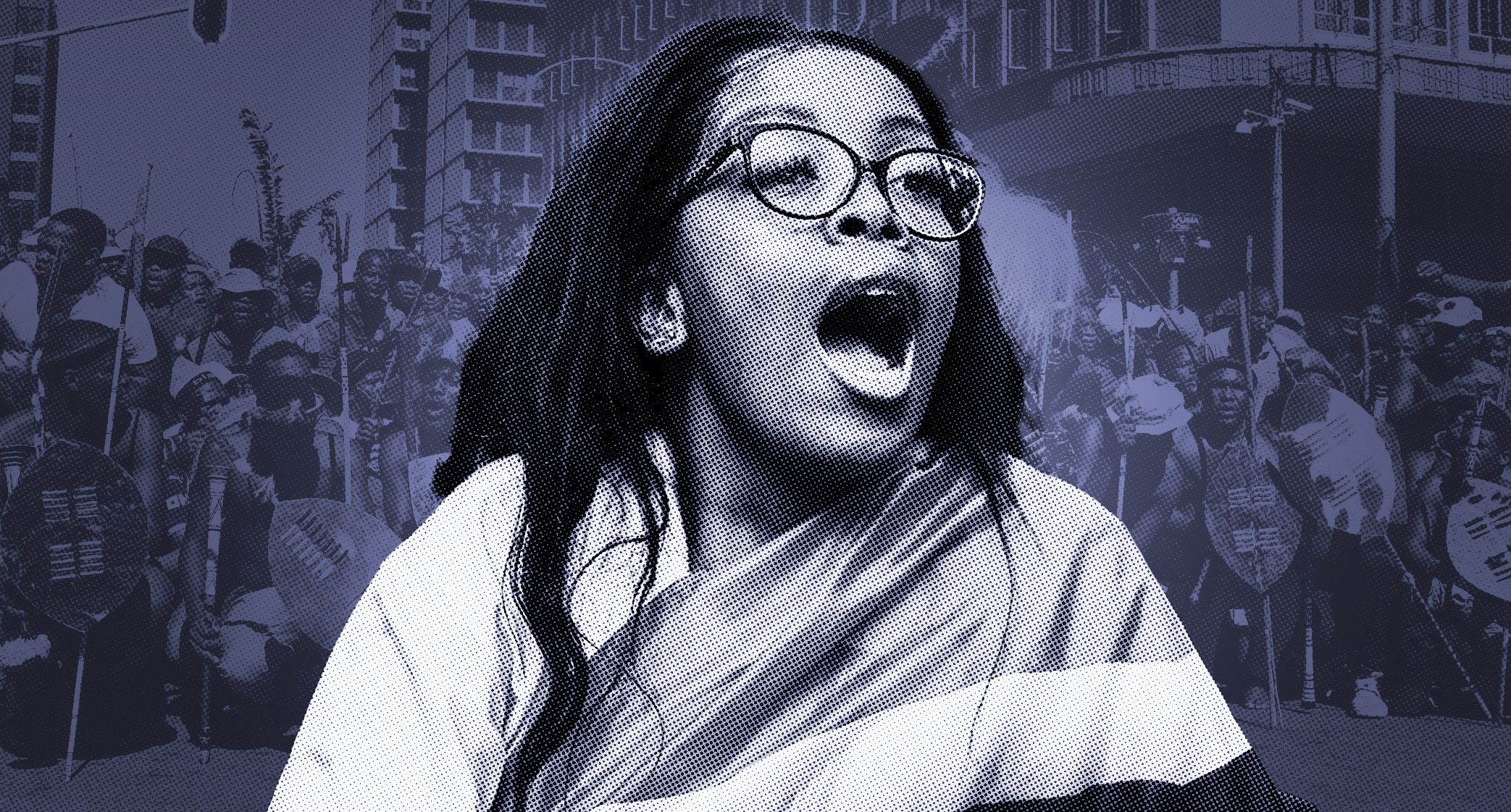
South African authorities denied last week that any attacks had occurred, asserting that widely circulated videos were fabricated and misleading. This denial came amidst a flurry of reports and social media content suggesting widespread violence. President Cyril Ramaphosa stated that recent "protests and criminal acts directed at foreign nationals" do not reflect government policy and are "isolated acts of criminality." He added that South Africa would continue efforts to "regulate migration, secure our borders and enforce our laws," emphasizing the government's commitment to maintaining order and upholding the rule of law. Despite these assurances, thousands of South Africans have participated in protests against illegal immigration, advocating for the mass deportation of undocumented foreign nationals. These protesters claim that illegal immigration has negatively impacted jobs, housing, and contributed to increased crime, articulating grievances that often fuel xenophobic sentiments.
The South African government responded to the circulating footage by stating it had "nothing to hide" and condemned the dissemination of "fake videos and images," urging the public to rely on official sources for information. However, xenophobia has long been a recognized issue in South Africa, historically accompanied by periodic outbreaks of deadly attacks targeting foreign nationals. These incidents, often characterized by violence and displacement, have drawn international condemnation and created significant diplomatic challenges for South Africa. The Ghanaian evacuation flight follows warnings issued by several other African nations to their citizens residing in South Africa, indicating a broader regional apprehension. Kenya, Malawi, Lesotho, and Zimbabwe are among the countries that have cautioned their nationals about the prevailing situation, advising vigilance and caution. These warnings reflect a shared concern across the continent regarding the safety of their populations in a country that has historically been a magnet for economic migrants.
Ghanaian Citizens' Experiences
About 800 individuals reportedly expressed interest in Ghana's evacuation flight, although the Ghanaian government indicated it would repatriate 300 citizens from South Africa. This disparity notes the logistical challenges and the sheer scale of the demand for repatriation among distressed nationals. The Ghanaian embassy in South Africa had advised its nationals to exercise extreme caution, avoid public gatherings, and close shops or businesses in Durban in anticipation of a planned protest on Wednesday. This advisory shows the specific and immediate threats faced by Ghanaian business owners and residents in areas prone to xenophobic demonstrations. Many of these "distressed" Ghanaians had registered at the country's embassy in Pretoria, seeking repatriation, according to Samuel Okudzeto Ablakwa, Foreign Minister of Ghana. Their registration at the embassy signaled their urgent need for assistance and their desire to return home amidst the escalating tensions.
The precarious situation for foreign nationals in South Africa has prompted individuals like Laworcwe Bismark Clement, a nail technician from Ghana, to express safety concerns. Mr. Clement, who has lived in Warrenton since 2024, stated, "I am scared for my life. Because of the xenophobic [attacks], I come to work at 10am and close at 6pm." His altered work schedule is a direct consequence of the fear instilled by the xenophobic attacks, forcing him to limit his exposure and prioritize personal safety over potential earnings. Such accounts show the daily anxieties faced by some immigrants, who must constantly weigh the risks of going about their daily lives against the imperative of earning a living. The mental and emotional toll of living under such conditions can be profound, impacting not only their economic prospects but also their overall well-being.
Other foreign nationals, despite the reported challenges, remain in South Africa due to economic opportunities. Billy Oleye, a carpenter from Nigeria residing in Johannesburg, cited the availability of work as his reason for staying. Mr. Oleye explained, "The opportunities. Here in Joburg I am a carpenter, I get customers." His statement reflects the complex balance many immigrants weigh between personal safety and economic prospects in the country. For many, the economic opportunities in South Africa, despite the risks, still outweigh those available in their home countries, making the decision to stay a difficult but often necessary one. This economic pull factor remains a powerful force, even as the social and security landscape becomes increasingly challenging for foreign nationals.
Historical Context and Continental Solidarity
Ghana and Nigeria have summoned South African envoys over the mistreatment and harassment of their citizens, demonstrating a unified diplomatic response to the crisis. Ghana has also written to the African Union (AU) asking it to discuss the issue, elevating the matter to a continental platform for deliberation and potential intervention. This diplomatic action notes concerns among African states regarding the safety of their nationals residing in South Africa and the need for a coordinated approach to address xenophobia. The current situation in South Africa draws parallels to historical migration challenges within the continent, illustrating a recurring pattern of tension and displacement.
In 1969, Ghana passed the Aliens Compliance Order, a legislative act that significantly impacted migrant communities. This order, enacted by the Ghanaian government, aimed to regulate the presence of foreign nationals within its borders. Reports indicated that this order led to the expulsion of approximately 200,000 Nigerians from Ghana, a mass movement that had profound humanitarian and diplomatic consequences. Such historical precedents show the complex and often challenging dynamics of migration and citizenship within African nations, where policies can shift dramatically based on economic conditions and political pressures. These past events illustrate that while African countries have often expressed solidarity and a spirit of pan-Africanism, economic and social pressures can lead to policies impacting foreign nationals, sometimes with severe outcomes. The memory of such events across the continent adds another layer of complexity to the current diplomatic efforts, as nations recall their own histories with migration and expulsion.
Today, South Africa is home to more than three million foreigners, representing about 5% of its total population, according to official figures. This significant presence of foreign nationals contributes to a diverse society but also, at times, fuels tensions related to resources and employment opportunities, particularly in a country with high unemployment rates among its own citizens. The large number of foreign residents in South Africa makes the country a critical point of concern for other African governments whenever incidents targeting migrants occur. The sheer volume of foreign nationals means that any outbreak of xenophobic violence has the potential to affect a significant number of people from various countries, necessitating a strong response from their home governments. The ongoing dialogue and diplomatic efforts between Ghana, Nigeria, and South Africa reflect a continent grappling with both its shared history and contemporary migration challenges, striving for solutions that uphold human dignity and foster regional stability.
Broader Implications for African States
The Ghanaian evacuation flight shows a wider concern among African states regarding the safety of their citizens residing in South Africa. Ghana, Nigeria, Kenya, Malawi, Lesotho, and Zimbabwe have all expressed concern or issued warnings to their nationals following recurring incidents targeting foreign nationals, creating a ripple effect of anxiety across the continent. The diplomatic actions taken by Ghana, including summoning South African envoys and writing to the African Union, highlight the regional gravity of the situation and the collective demand for accountability and protection. These events reflect the complex migration challenges within Africa, where economic opportunities in countries like South Africa attract foreign nationals, yet also expose them to risks such as xenophobia and violence. The significant presence of over three million foreigners in South Africa makes incidents involving migrants a key point of concern for other African governments, compelling them to act decisively to protect their people and uphold regional stability. The ongoing discussions and diplomatic engagements are critical for addressing the root causes of xenophobia and ensuring the safety of all individuals living and working in South Africa, regardless of their nationality.