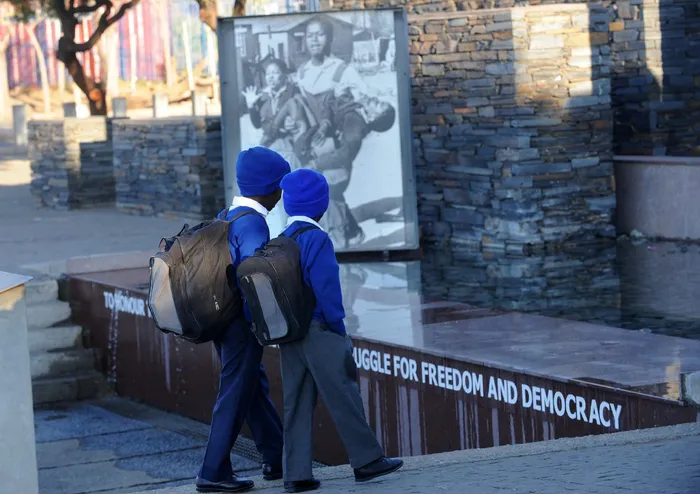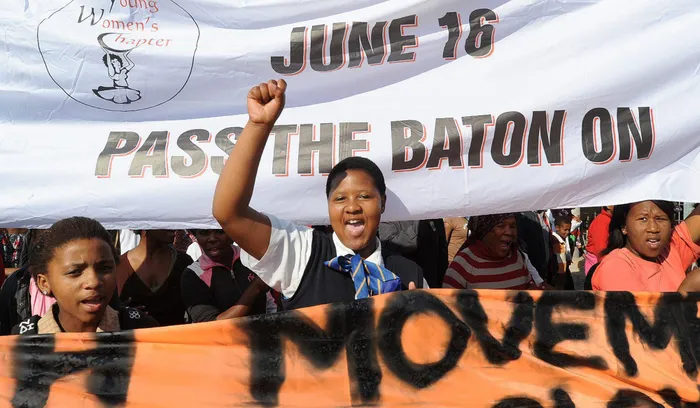
This year, South Africa observes 50 years since the Soweto uprising of June 16, 1976. This significant milestone comes as the nation grapples with persistent socio-economic issues, particularly affecting its youth. The "Triple Challenges" of poverty, inequality, and unemployment are described as daily struggles for a generation that feels profoundly excluded from the economy. The current landscape notes a stark reality: despite decades of democratic rule, the promise of a dignified future remains elusive for many young South Africans. The anniversary serves as a poignant reminder of past sacrifices and a critical moment to assess the progress made, or lack thereof, in securing fundamental rights for all citizens.
Echoes of 1976
The Soweto Uprising of June 16, 1976, was not merely a local protest but became a countrywide rebellion, ignited by the remarkable bravery of tens of thousands of school children. These students, driven by a profound sense of injustice, marched against a repressive language policy. Their courageous actions were a powerful assertion of their right to be seen, to be heard, and to secure a future defined by dignity and opportunity. The youth of 1976 ultimately gave South Africa its political freedom, laying the groundwork for the democratic nation it is today through their unwavering commitment to justice. Their struggle, though focused on political and educational rights, fundamentally sought to dismantle systemic barriers to a better life. Today, half a century later, the youth of 2026 are demanding economic justice, reflecting a continued and evolving struggle for fundamental rights that resonate deeply with the aspirations of their predecessors. The fight for political liberation has transitioned into a battle for economic inclusion, showing the enduring nature of the quest for true equality.
The Modern Struggle: Triple Challenges
As of 2026, youth unemployment remains a staggering national crisis in South Africa, casting a long shadow over the future prospects of an entire generation. This persistent issue is not merely a statistic; it represents countless individual stories of hardship, deferred dreams, and unfulfilled potential. Young people are currently confronting what has been termed "double exclusion," a complex and debilitating phenomenon stemming from persistent spatial inequality and a rapidly deteriorating job market. Spatial inequality, a legacy of apartheid, continues to confine many young people to economically marginalized areas with limited access to education, infrastructure, and employment opportunities. This geographical disadvantage is compounded by a job market that struggles to absorb new entrants, leaving many highly skilled or eager individuals without work. The combination of these factors creates a formidable barrier to economic participation and social mobility. The "Triple Challenges" — poverty, inequality, and unemployment — are not abstract concepts but tangible realities that shape the daily lives of millions of young South Africans. These systemic issues perpetuate a cycle of disadvantage, making it exceedingly difficult for youth to break free from the constraints imposed by their circumstances. The sense of exclusion from the mainstream economy is palpable, fostering frustration and a deep-seated desire for meaningful change.
A Call to Action: 2026 Elections
The gravity of the situation is showed by the timing of this article, published in the context of the upcoming 2026 Local Government Elections. These elections present a critical juncture for the nation to address the pressing concerns of its youth. The author issues a fervent call for a national "Year of Action," urging policymakers and society at large to treat youth unemployment as a national disaster. This proposed initiative aims to mobilize resources, implement targeted interventions, and foster a collective commitment to creating sustainable opportunities for young people across the country. Recognizing youth unemployment as a disaster implies a need for urgent, full, and coordinated responses akin to those deployed during national emergencies. Such an approach would necessitate cross-sector collaboration, innovative policy solutions, and a fundamental shift in national priorities to place the economic empowerment of youth at the forefront of the political agenda. The upcoming elections offer a key platform for candidates and parties to articulate clear, actionable strategies for tackling these entrenched challenges, thereby demonstrating their commitment to securing a more equitable and prosperous future for all South Africans. The hope is that the lessons of 1976, and the ongoing struggles of 2026, will galvanize a renewed national effort to fulfill the promise of dignity and economic justice for every young person.