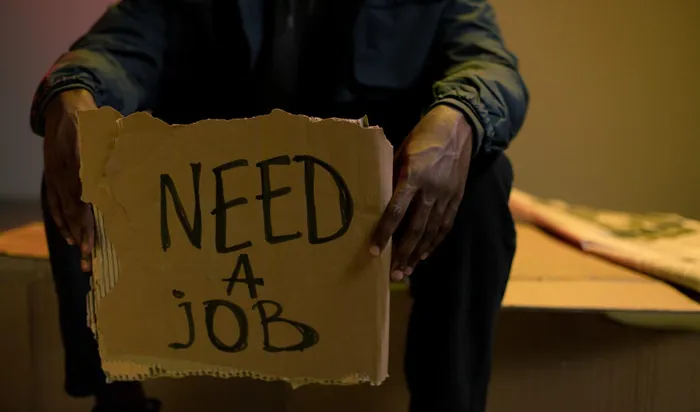
South Africa will commemorate the 50th anniversary of the Soweto uprising on June 16 this year. Youth Day honours the young people who rose up in Soweto in 1976, students who paid with their lives to resist an education system deliberately engineered to diminish them. Fifty years later, the echoes of that struggle resonate as young people in South Africa continue to grapple with significant socio-economic hurdles. The persistent challenges include high unemployment, entrenched inequality, and the complex demands of a rapidly changing digital era, all of which are reported to exclude millions of young South Africans from meaningful economic participation.
Persistent Youth Unemployment Crisis
Youth unemployment persists as one of South Africa's most critical crises, locking millions out of economic participation. This challenge is not limited to those without qualifications; it also includes graduates with degrees and other certifications, who often find themselves unable to secure employment despite their academic achievements. The National Bureau of Economic Research states that the current level of youth unemployment in South Africa is significantly worse than it was at the end of the apartheid era, showing the severity and long-standing nature of this societal problem. This stark comparison notes a failure to adequately address systemic issues that continue to marginalize a significant portion of the population.
Statistics from the first quarter of 2026 highlight the severity of the situation across the country. During this period, the national unemployment rate reached 32.7%, indicating a widespread lack of job opportunities for the general workforce. The figures are even more stark and concerning for younger demographics, revealing a profound struggle for entry into the labor market. Among individuals aged 15-24, the unemployment rate stood at an alarming 60.9%. This demographic, typically comprising school leavers and recent graduates, faces immense difficulty in finding their first jobs or gaining essential work experience. For the slightly older cohort, those aged 25-34, the unemployment rate was recorded at 40.6%, indicating a sustained challenge for young adults attempting to establish careers or re-enter the workforce after periods of unemployment. These figures collectively paint a picture of a generation struggling to find its footing in the national economy, with broad implications for social stability and future economic growth.
Education Access vs. Economic Reality
Almost 99% of South African children aged 7 to 15, within the compulsory schooling phase, are enrolled in basic education. This high enrollment rate signifies widespread access to foundational learning, a key step in educational development. Despite this widespread access to basic education, the transition to higher education and subsequent economic integration presents significant hurdles for many. The journey from primary school to a university degree is fraught with challenges, as evidenced by various educational outcome statistics. The average undergraduate graduation rate in the country is approximately 15%, which means a large proportion of students who embark on higher education do not complete their degrees.
Further data from the Department of Higher Education and Training (DHET) indicates that only about 7.3% of the broader South African adult population, aged 25-64, hold a university degree. This suggests a significant bottleneck in the progression from basic education to degree attainment, noting a gap between educational access and successful completion at higher levels. This low percentage of degree holders in the adult population points to systemic issues that prevent a larger segment of society from achieving advanced qualifications, which are often gateways to better economic opportunities.
Challenges within the higher education system further complicate student success and retention. Thousands of students across the country have encountered various administrative and financial obstacles. These include delayed National Student Financial Aid Scheme (NSFAS) allowances, which are key for covering living expenses and tuition fees, as well as sudden mid-year defunding, leaving students in precarious financial situations. Additionally, accommodation failures at institutions have added to the burdens faced by students, particularly those from disadvantaged backgrounds. These issues have led to immediate consequences such as lost study time, academic setbacks due to stress and lack of resources, accumulated debt, or, in many unfortunate cases, students being forced to leave the system entirely before completing their studies.
Financial constraints extend beyond direct tuition and accommodation costs. Food insecurity is another pressing issue affecting students, posing a significant barrier to their academic performance and overall well-being. At the University of the Free State, a study revealed that 74.8% of students were found to be food insecure, noting a critical and widespread challenge within higher education institutions. This lack of consistent access to adequate food can severely impact concentration, health, and the ability to succeed academically.
Voices on the Struggle
Fifty years after the Soweto uprising, young people in South Africa continue to struggle with high unemployment, persistent inequality, and the demands of a rapidly changing digital era, factors that reportedly exclude millions from economic participation. The journey from basic education to a successful career remains arduous for many. Statistics indicate that the overall number of successful graduates constitutes approximately 4% to 10% of the original student cohort that commenced school years earlier, showing the attrition rate throughout the educational pipeline. Many students from households earning between R350,000 and R600,000 annually face a specific financial challenge: they earn too much to qualify for full National Student Financial Aid Scheme (NSFAS) bursaries, yet too little to independently cover the rising costs of tuition fees, creating a "missing middle" dilemma. Research further reveals that up to 70% of students experience moderate to severe hunger, adding another significant barrier to their educational and economic prospects and exacerbating the difficulties faced by young South Africans striving for a better future.