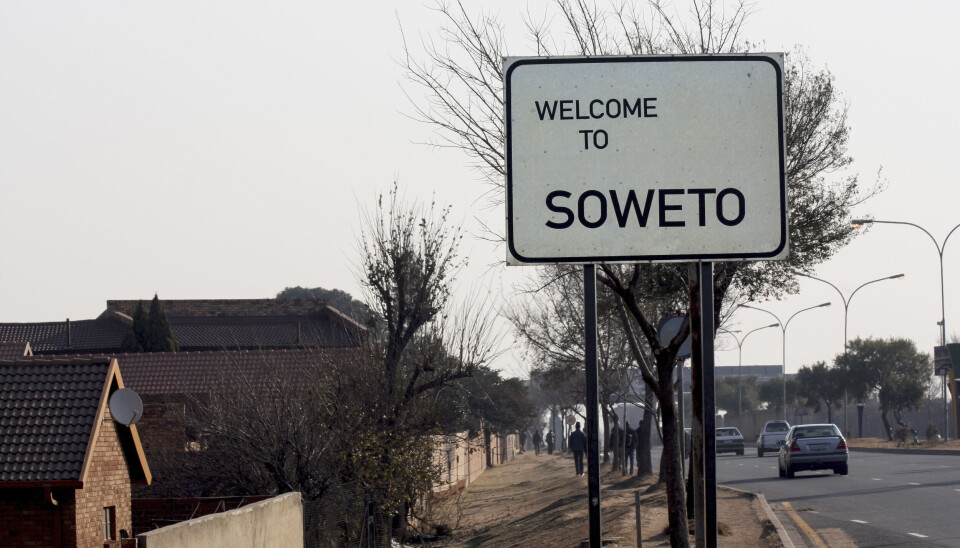
On June 16, 1976, thousands of students in Soweto marched in protest against being taught in Afrikaans, a key moment in South Africa's history that profoundly shaped the nation's trajectory. This mass demonstration was not merely a reaction to a language policy but a powerful rejection of the broader oppressive system of apartheid. The Soweto Uprising saw more than 200 protesting students shot and killed by apartheid police, marking a brutal suppression of student demands and exposing the regime's violent methods to the world. The students of 1976 sought dignity, equality, and the fundamental right to shape their own futures, challenging the oppressive educational policies of the time which were designed to perpetuate their subjugation. Their courageous stand against an unjust system resonated far beyond the streets of Soweto, igniting further resistance across the country and drawing international condemnation. Fifty years after the Soweto Uprising, many inequalities created by apartheid remain deeply entrenched in South Africa, continuing to pose significant challenges to the nation's progress and the full realization of its democratic ideals.
Echoes of Apartheid's Cruelty
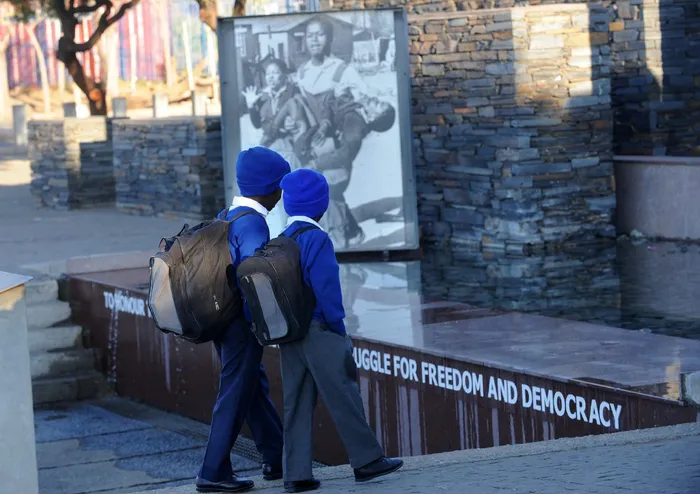
Bantu education served as an apartheid policy specifically crafted to prepare Black children for a life of subservience, limiting their prospects within the segregated system and denying them access to quality education. This deliberate systemic disenfranchisement was a cornerstone of the apartheid state, ensuring that Black citizens would remain marginalized economically and socially. The author, Lihle Z. Mtshali, recounted experiencing widespread segregation across multiple facets of life in the 1980s, including schools, neighborhoods, hospitals, and beaches, which significantly restricted opportunities and reinforced the racial hierarchy. These daily indignities and systemic barriers were not isolated incidents but integral components of a state-sanctioned policy of racial discrimination. Such policies underpinned the violence witnessed during the Soweto Uprising, where the state responded to peaceful protest with deadly force. During the protest, 13-year-old Hector Pieterson was shot and killed, becoming a tragic symbol of the regime's brutality. Mbuyisa Makhubo carried Hector Pieterson's body through the streets, an image captured by photographer Sam Nzima that became an iconic symbol of the brutality of the apartheid regime and galvanized global anti-apartheid movements. Hector Pieterson's sister, Antoinette Sithole, was also present during the events of that day, bearing witness to the horrific violence inflicted upon her community and family. These incidents showed the harsh realities faced by Black South Africans under apartheid and the extreme measures taken to suppress dissent against its discriminatory policies, noting the profound human cost of institutionalized racism.
A Nation's Long Road to Freedom
Tsietsi Mashinini emerged as a prominent student leader during the turbulent period of the Soweto Uprising, bravely articulating the demands of the students and inspiring a generation to stand up against injustice. His leadership helped to galvanize the youth movement and bring international attention to the plight of Black South Africans. Years later, a significant political shift occurred when Nelson Mandela was released from prison in 1990, marking a key moment for South Africa and signaling the beginning of the end of apartheid. The author, Lihle Z. Mtshali, was 13 years old at the time of Mandela's release, a poignant age that mirrored the youth of many of the Soweto Uprising participants. Ms. Mtshali was born one year after the Soweto Uprising in 1976, meaning she grew up in a South Africa where the injustices that students protested in 1976 persisted throughout her youth. The experiences of her generation were shaped by the enduring legacy of apartheid, even as the nation moved towards democracy. This personal narrative illustrates how the struggle for equality was a continuous thread through decades, impacting the lives of millions and showing the long and arduous journey towards a truly free and equitable society. The release of Mandela, while a moment of immense hope, was also a stark reminder of the deep-seated issues that would continue to challenge the nation for years to come.
The Persistent Struggle for Equality
Anti-immigrant sentiment within South Africa reflects ongoing divisions, which some observers link to the historical structures instilled by the apartheid regime. The legacy of apartheid continues to influence social and economic disparities, contributing to tensions that manifest in various forms of social friction, including xenophobia. These sentiments highlight the persistent challenges in achieving a fully equitable and unified society in the post-apartheid era, demonstrating that dismantling legal segregation does not automatically erase its social and economic repercussions. The struggle for true equality extends beyond political freedom to encompass economic justice and social cohesion, areas where the shadows of apartheid still loom large. The students of 1976 demanded not just political rights but a future where all individuals could thrive with dignity, a vision that remains a work in progress.
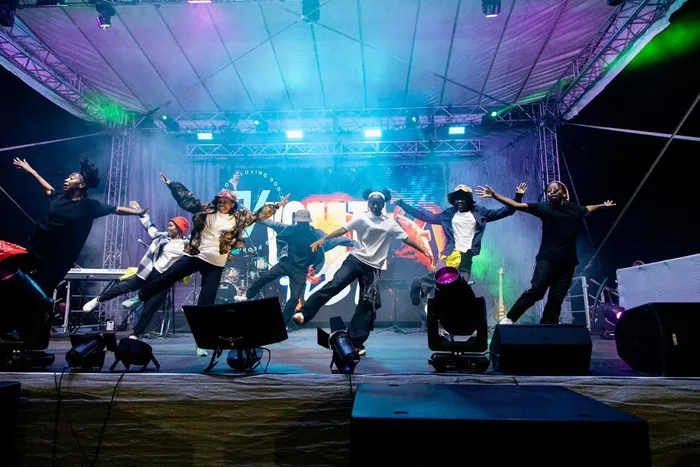
South Africa commemorates June 16 annually as Youth Day, a national public holiday dedicated to remembering the sacrifices made by the students in Soweto. The day recognizes the bravery and determination of those who protested in 1976 and serves as a powerful reminder of the ongoing struggle for youth empowerment and equal opportunities in the country. Commemorations often include reflections on the progress made since the end of apartheid as well as discussions on contemporary issues affecting young people, such as unemployment, access to quality education, and social justice. This annual observance ensures that the memory of the Soweto Uprising remains a vital part of the national consciousness, inspiring current generations to continue the fight for a more just and equitable South Africa, echoing the demands for dignity and self-determination first voiced by the students fifty years ago.