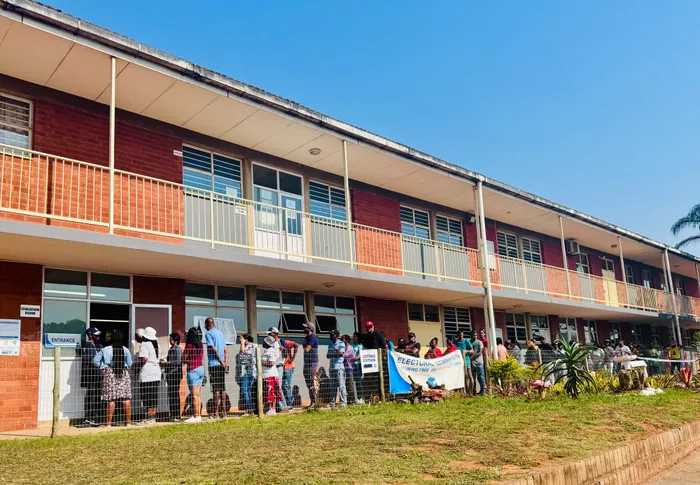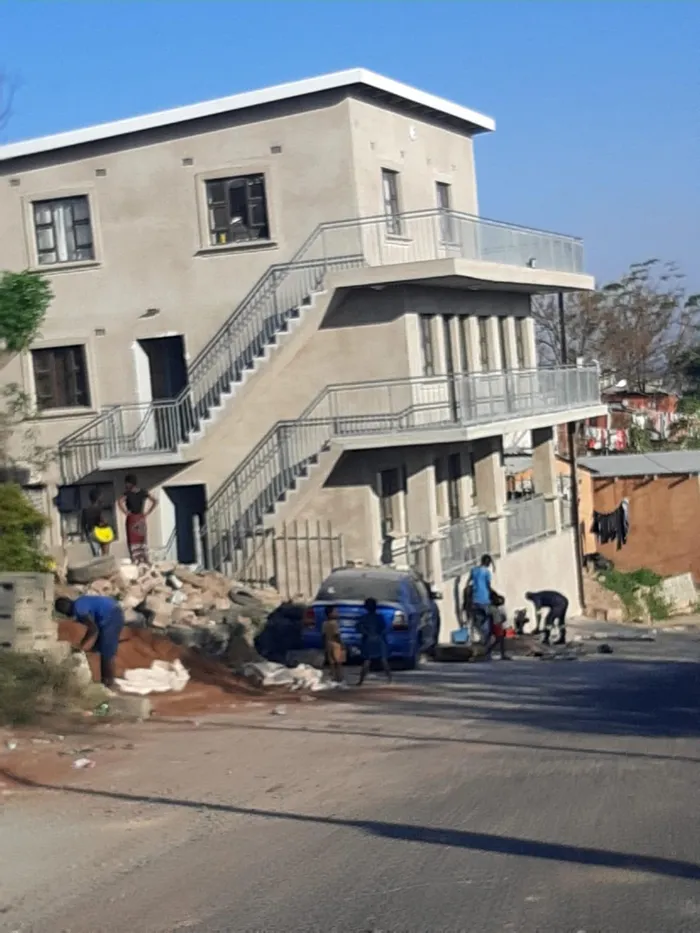
The eThekwini Municipality has approved revised household figures, incorporating approximately 98,452 additional houses identified by Statistics South Africa’s General Household Survey: Selected Development Indicators 2024. The updated data reflects a significant increase in the household count within eThekwini, which rose from 1,240,807 to 1,339,259. This substantial adjustment shows the ongoing growth and notes concerns related to informal settlements in the region, providing a more accurate baseline for future municipal planning.
Growth and Planning Updates
The eThekwini Municipality stated that this approval forms a critical part of ongoing efforts to ensure accurate, consistent, and data-driven planning across all areas of governance. This careful approach is essential for effective resource allocation and service provision. Statistics South Africa's General Household Survey, which covered six main areas, was designed to track development over 22 years since its introduction in 2002. The full nature of the survey ensures a strong understanding of demographic shifts and housing trends. According to the survey, the percentage of households residing in formal dwellings increased from 73.5% in 2002 to 84.1% in 2024. These figures underpin the municipality's planning adjustments, reflecting significant demographic shifts and evolving housing trends within eThekwini. The updated data helps inform strategic decisions regarding infrastructure and service delivery, ensuring that municipal services can effectively meet the needs of the growing population. The incorporation of these new statistics is vital for long-term urban development and sustainability.
Informal Settlements Scrutinized
Selvan Govender, an IFP councillor in eThekwini, raised concerns regarding the significant number of informal settlements within the municipality and questioned the effectiveness of Statistics South Africa's (Stats SA) approach to these areas. The councillor noted the persistent presence of these settlements despite ongoing municipal efforts, emphasizing the need for more targeted interventions. Govender stated, "The city has approximately 605 informal settlements, and more emphasis should be placed on this." His comments showed a need for greater focus on the challenges posed by informal housing, including the provision of basic services and proper infrastructure. The eThekwini Municipality formally acknowledges the existence of approximately 605 informal settlements across its jurisdiction. This figure indicates the scale of the housing challenge and the ongoing need for targeted interventions and accurate data collection in these communities to facilitate their integration and improvement.
National Housing Context
Nationally, three-fifths (60.1%) of households across South Africa owned the dwelling they occupied, according to data. An additional 25.1% of households rented their residences, noting a significant portion of the population reliant on the rental market. These figures provide a broader context for the housing landscape within which municipalities like eThekwini operate, illustrating national trends in housing tenure. The national statistics reflect prevalent housing tenure trends, indicating that a significant majority of households are homeowners, while a substantial portion relies on rental accommodation. This distribution informs national housing policies and resource allocation, influencing local municipal strategies for housing provision and informal settlement upgrades. Understanding these national patterns is key for developing effective local housing solutions.
Council's Data-Driven Approach
On Thursday, at a council meeting, the eThekwini Municipality formally approved the revised household count and updated indigent household figures. These figures are now slated for incorporation into critical municipal planning instruments, ensuring that future strategies are based on the latest demographic realities. The Integrated Development Plan (IDP) and the Service Delivery and Budget Implementation Plan (SDBIP) for the 2025/26 financial year and subsequent periods will reflect these updated statistics. This decision ensures that future strategic planning and resource allocation within the municipality are based on the latest demographic data available. The integration of these revised figures aims to enhance the accuracy and effectiveness of future municipal service delivery and development initiatives, ultimately benefiting all residents of eThekwini.