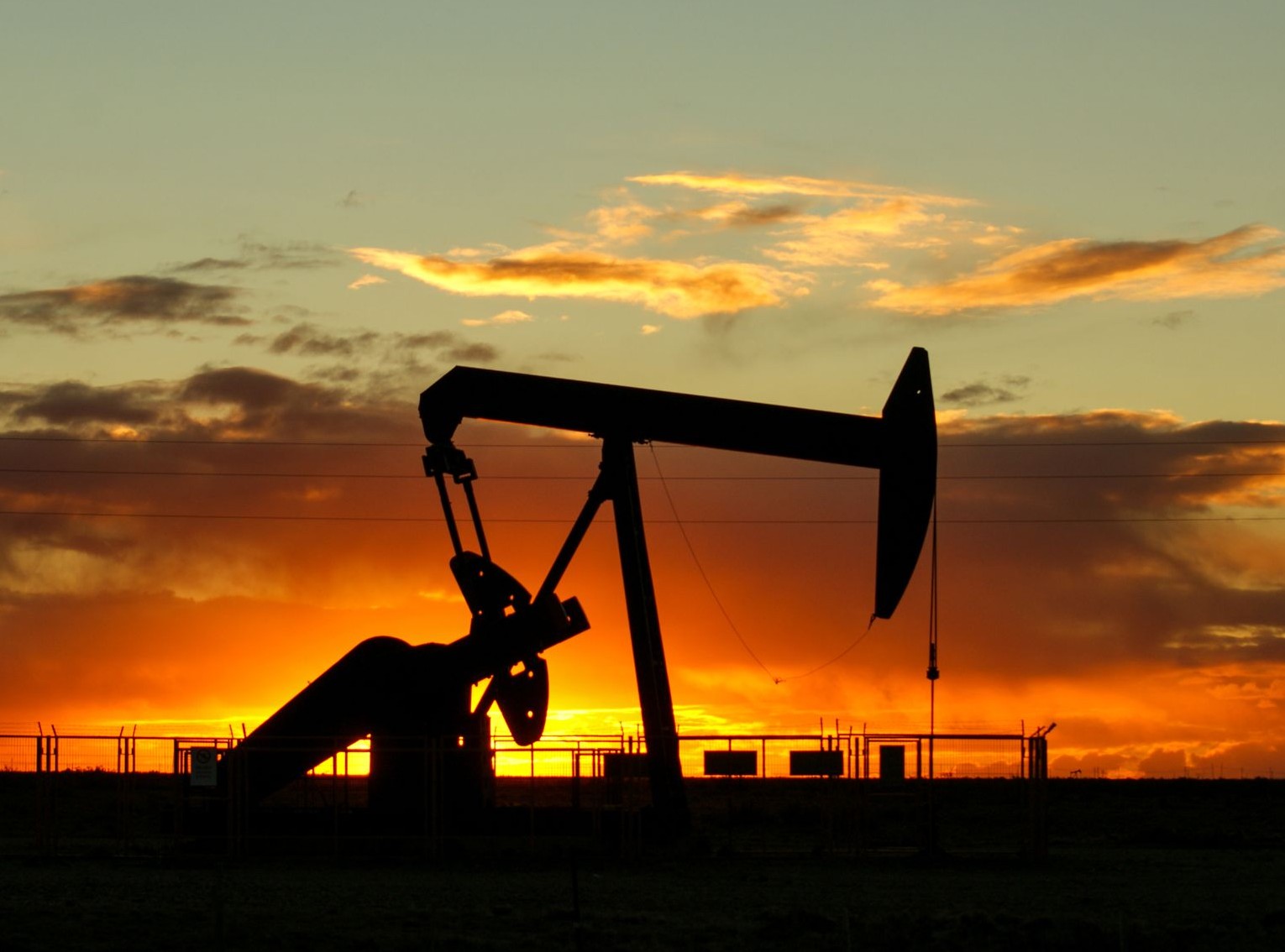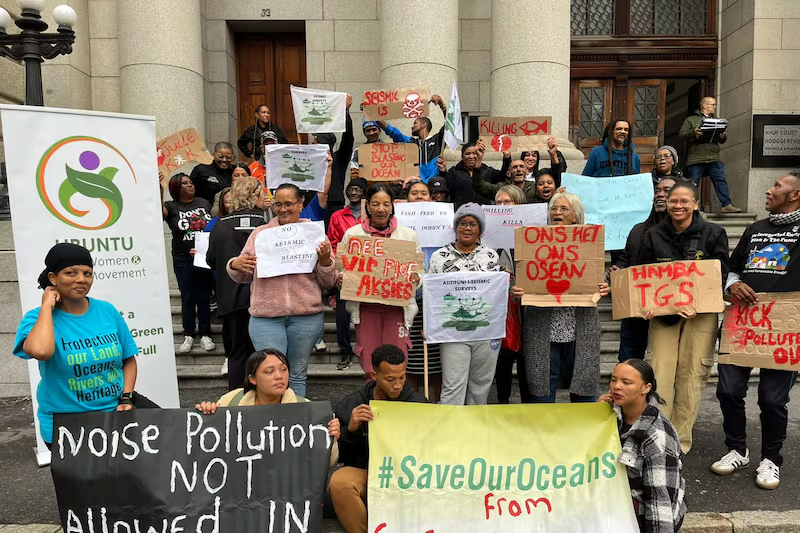
Amid rising demand from a growing population and global energy supply challenges, all forms of energy, including oil and gas, are increasingly needed in South Africa. This assertion comes as the Constitutional Court last month permanently halted offshore gas and exploration rights for Shell and Impact Africa along the Wild Coast. The ruling shows ongoing tensions surrounding fossil fuel development in the region. The EnerGeo Alliance, an international association representing the energy geoscience industry, emphasizes that a balanced energy portfolio is key for South Africa's future.
Court Rulings Clarify Exploration Landscape
Last month, the Western Cape High Court rejected an application from environmental and fishing groups seeking to halt an offshore seismic survey in the Orange Basin, located off the West Coast of South Africa. This decision followed a separate ruling by the Constitutional Court, which permanently stopped offshore gas and exploration rights for Shell and Impact Africa along the Wild Coast. Despite the Constitutional Court's action, that particular ruling did not constitute a full ban on all seismic surveys. This distinction is vital for understanding the legal parameters within which energy exploration can proceed in South Africa.
The exploration landscape remains subject to various legislative considerations. The Upstream Petroleum Resources Development Act (UPRDA) and the proposed Gas Bill have been identified as potentially not aligning with the principles of the Climate Change Act. Such a misalignment, if confirmed, could expose taxpayers to significant environmental liabilities. This potential for legal and financial repercussions adds another layer of complexity to the nation's energy policy discussions. The differing outcomes of these court cases highlight the ongoing legal complexities surrounding energy exploration in the region, reflecting the intricate balance between environmental protection, community rights, and the drive for energy security. These legal battles show the need for clear and consistent regulatory frameworks that can withstand judicial scrutiny while also addressing the nation's energy demands.
Demand and Supply Drive Exploration Need
Ongoing global conflicts, economic growth challenges, and a growing population show why exploration and seismic surveys remain essential considerations for South Africa's energy future, according to the EnerGeo Alliance. The organization stated that these factors collectively necessitate a continued discussion around the role of oil and gas exploration. South Africa's population, currently estimated to be between 59 and 60 million people, represents a significant and expanding demand base for energy resources. This substantial population requires reliable and affordable energy to support daily life, industrial activity, and economic development.
The EnerGeo Alliance emphasizes that meeting the energy needs of this large and growing population, while navigating global uncertainties such as wars and economic headwinds, requires a full approach that includes hydrocarbon exploration. The alliance's perspective suggests that removing the option of new exploration from policy discussions would limit the country's ability to secure its energy supply amidst these multifaceted challenges. They argue that all forms of energy, including oil and gas, are needed in South Africa more than ever due to rising demand from a growing population and challenges in global energy supply systems. Wars, growth headwinds, and population growth mean exploration and seismic surveys cannot be taken off the table in discussions about South Africa’s energy future. This stance notes the ongoing debate within South Africa regarding the balance between energy security, economic development, and environmental protection. The organization advocates for a pragmatic approach that acknowledges the immediate energy needs while striving for a sustainable future.
Regulatory Certainty and Future Outlook
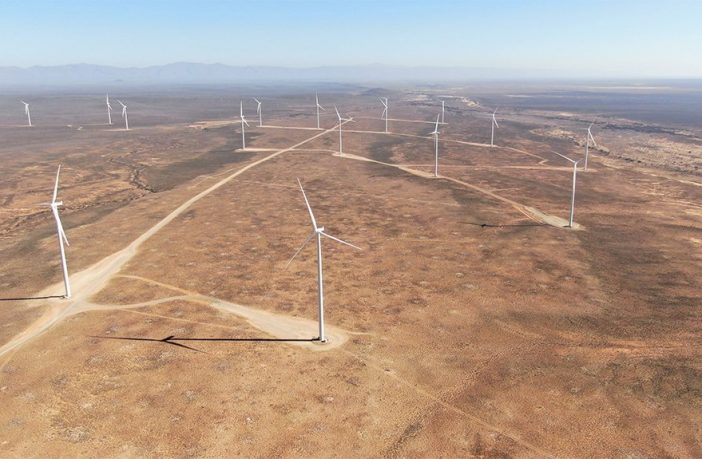
Gwede Mantashe, South Africa's Minister of Mineral & Petroleum Resources, stated that the nation's oil and gas upstream potential requires unlocking. He articulated that this is "one of the best ways of insulating the country against oil shocks." This perspective emphasizes the strategic importance of domestic hydrocarbon resources in national energy security, particularly in a volatile global market. While load-shedding appeared to be a past concern for South Africa, much still needs to be done to secure the country’s long-term energy needs. Significant efforts are still necessary to secure the country’s long-term energy needs, including diversifying energy technologies to build a resilient and stable power supply. The focus on both traditional and varied energy sources points to a full strategy for future energy provision. This includes not only oil and gas but also renewable energy sources, all contributing to a strong and diversified energy mix that can withstand future disruptions and support sustained national development.