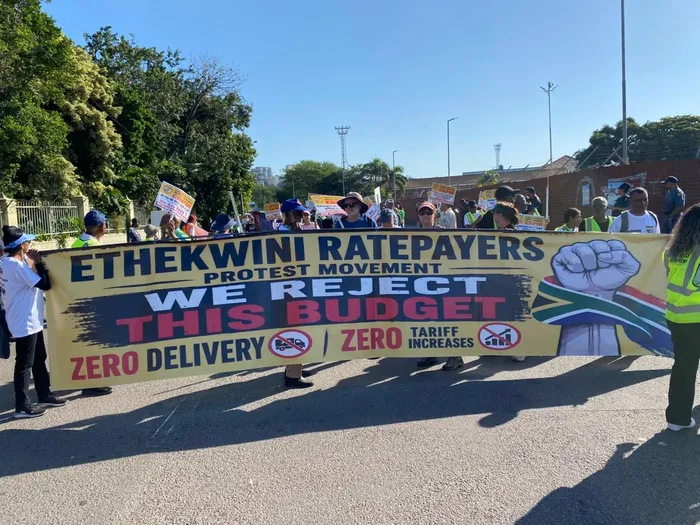
Durban residents protested yesterday against the proposed 2026/2027 budget and associated tariff increases, expressing widespread discontent with the city's financial plans. The demonstration saw the eThekwini Ratepayers and Residents Association (ERPM) deliver a memorandum outlining a unified civic and multi-stakeholder position concerning the municipality's budgetary decisions. This recent public action occurs as elections loom on 5 November, adding a political dimension to the ongoing fiscal debate within the city and noting the growing frustration among the populace.
Budget Flaws and Non-Compliance
The eThekwini Ratepayers and Residents Association (ERPM) described the city's current budget process as "noncompliant" with both the Municipal Finance Management Act (MFMA) and the Municipal Systems Act (MSA). This strong assertion from the ERPM shows a fundamental challenge to the legitimacy of the proposed financial framework. Residents presenting their concerns provided evidence of what they termed budget integrity failures, financial mismanagement, and a significant lack of transparency within the municipality's fiscal operations. These allegations suggest a systemic breakdown in financial governance. The association noted specific deficiencies, noting that the budget lacked essential disclosures regarding outsourced services, particularly for plumbing and electrical work, as well as for water tanker services. The absence of such key information raises questions about accountability and the efficient allocation of public funds.
Further concerns were raised over the municipality's financial health, with consumer debt now exceeding R35 billion within eThekwini. This staggering figure points to a deep-seated problem in the city's revenue collection and financial stability. Critics pointed out that this substantial debt burden reflects broader issues in financial management and collection strategies, directly impacting the municipality's ability to fund essential services. Compounding these financial challenges, critical municipal infrastructure is reportedly operating well below its optimal capacity, impacting service delivery for residents across the city. This degradation of infrastructure, coupled with financial woes, paints a grim picture for the future of municipal services. The ERPM and other critics are advocating for the immediate withdrawal of the current budget proposal, arguing that its foundational flaws make it untenable. They are also calling for key municipal officials to be held accountable for the alleged mismanagement and non-compliance issues identified, emphasizing the need for transparency and responsibility at all levels of governance.
Concerns Over Appointments and Transparency
Gobizizwe Makhanya, a representative critical of the municipal processes, stated that the proposed budget, scheduled for introduction next week, lacks both credibility and transparency. Makhanya's remarks highlight a widespread distrust in the city's financial planning. He further voiced concerns regarding the municipality's efforts to finalize the permanent appointments of several deputy city ministers, including the Chief Financial Officer (CFO). These appointments, Makhanya indicated, are being pushed through despite the impending budget discussions, raising suspicions about the timing and motives behind such decisions. The critical nature of the CFO role, in particular, makes its permanent appointment amidst budget controversy a significant point of contention.
The process has seen individuals employed on a permanent basis with what critics describe as undue haste. This rapid formalization of positions is viewed as potentially undermining the capacity of the incoming administration to implement desired changes and reforms within the municipal structure. The concerns suggest a pre-emptive solidification of key roles ahead of potential shifts in governance, which could constrain future administrative flexibility and the ability of a new leadership to steer the city in a different direction. Critics argue that such moves could lock in existing policies and personnel, making it difficult to address the financial mismanagement and lack of transparency that residents are protesting.
Official Response and Political Commentary
The eThekwini Ratepayers Protest Movement (ERPM) led the recent protest, with its core demands including a complete rejection of the draft budget and all proposed tariff increases. The ERPM's unified stance reflects a broad consensus among various civic and multi-stakeholder groups regarding the unacceptability of the current budget. Durban residents are facing significant billing and metering challenges, which affect over 100,000 unmetered properties within the municipality. This widespread issue contributes to both the consumer debt crisis and the public's frustration with municipal administration. Many residents feel unfairly burdened by inaccurate billing and the lack of proper metering infrastructure, exacerbating their financial strain.
In response to the growing public discontent, City Mayor Cyril Xaba convened a meeting with the ERPM leadership. This meeting signifies an acknowledgment from the city's highest office of the severity of the residents' concerns. Mayor Xaba is advocating to ministers responsible for utilities, urging them to reconsider the proposed tariff hikes, indicating a potential willingness to address some of the protesters' demands. However, the outcome of these discussions and the extent of any concessions remain to be seen.
Political parties have also weighed in on the municipal budget, reflecting the heightened political stakes with elections looming on 5 November. ActionSA's Zwelakhe Mncwango noted what he described as a paradox, noting the increase in tariffs amidst decreasing service delivery and widespread financial mismanagement in the eThekwini Municipality. Mncwango's statement encapsulates the public's sentiment of paying more for less, a core driver of the protests. Mncwango stated, "Residents cannot be expected to bear the burden of inefficiency and waste," a powerful indictment of the current municipal administration's performance.
Gobizizwe Makhanya, provincial organiser for Umkhonto WeSizwe, further criticized the proposed tariff increases, asserting that they do not reflect the needs or opinions of local communities. Makhanya's comments show the perceived disconnect between municipal decision-makers and the residents they serve. He emphasized the strong opposition to the budget, stating, "We are outright rejecting it with all the terms that it deserves." This unequivocal rejection from a political party adds significant weight to the residents' demands. He also raised concerns about staffing, observing that municipal officials "have already started employing people on a permanent basis" despite the budget controversies, reinforcing the earlier concerns about hasty appointments and their potential to undermine future governance. The combined pressure from ratepayers' associations and political parties indicates a challenging road ahead for the eThekwini Municipality as it navigates its fiscal future and prepares for upcoming elections.