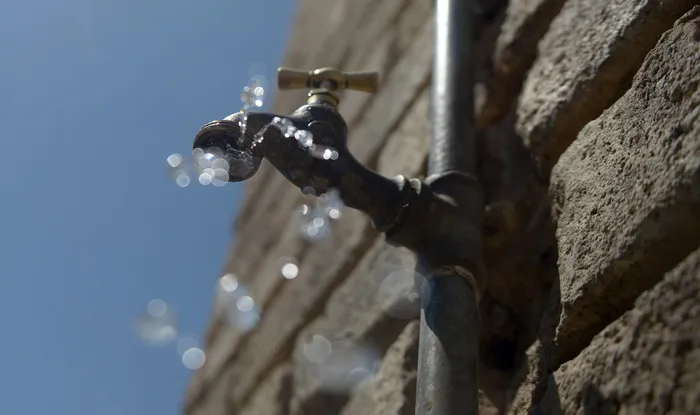
Distrust regarding the quality of Durban's tap water has intensified over the past few weeks, as residents across the eThekwini municipality report falling ill after consuming it. The growing concerns stem from widespread claims that the municipal water has caused sickness, leading to public apprehension about its safety. This situation has prompted fears among the local population regarding potential health risks associated with their drinking water supply. Residents' claims of illness have circulated, contributing to a significant drop in confidence in the city's water infrastructure. Over the past few weeks, this distrust has been growing as residents across eThekwini claim they have fallen ill after drinking the municipal water.
Official Response and Water Treatment
Last week, eThekwini Municipality announced it was collaborating with uMngeni-uThukela Water to manage elevated levels of 2-methylisoborneol (MIB) impacting water distributed via the Wiggins Water Treatment Works. The municipality implemented intervention measures, including intensified water treatment processes, an increase in filtration cycle frequency, and enhanced monitoring systems. These measures were put in place to address the concerns raised by residents and to ensure the continued safety of the water supply. The collaboration between the municipality and the water utility aims to effectively tackle the challenges presented by the elevated MIB levels and restore public confidence.
EThekwini Municipality issued a statement assuring residents about the safety of the water supply. "The Municipality wishes to assure residents that, despite the temporary taste and odour changes, water remains safe for human consumption and continues to meet the required quality and safety standards,” the statement said. This assurance comes as local authorities work to mitigate the issues and provide clear communication to the affected communities.
Resident Complaints and Health Fears
Residents across different communities have reported symptoms consistent with gastroenteritis. These symptoms include diarrhoea, stomach cramps, and nausea, raising concerns among the local population. The widespread nature of these complaints has contributed to public apprehension regarding the safety of the tap water supply in the eThekwini municipality. People from various communities have consistently reported these symptoms, further fueling the public's worry about the quality of the water they are consuming daily. The consistent nature of these health complaints shows the urgency of the situation for many residents.
Expert and Official Assurances
Concerns over the water’s quality intensified as some residents reported that it smelled foul and had a “sandy” or “earthy” taste. Other residents described the water flowing from their taps as whitish or brown, further fueling public apprehension about its safety. These visual and olfactory changes have significantly contributed to the public's distrust in the municipal water system. UMngeni-uThukela Water implemented an advanced ozone treatment process this month to address these issues. The new process achieved “at least a 50% removal efficiency in conjunction with powdered activated carbon treatment systems,” according to the water utility. This measure aims to mitigate the taste and odor problems experienced by consumers within the eThekwini municipality, providing a targeted approach to improving water palatability.
Broader Context and Impact
MIB, a naturally occurring compound associated with elevated blue-green algae in surface water, can impart an earthy or musty taste and odour. However, this compound does not pose a health risk, according to authorities. MIB is linked to increased levels of blue-green algae in surface water systems, a common environmental phenomenon. Despite the unpleasant sensory experience it causes, officials maintain that the presence of MIB does not compromise the water's safety for human consumption. This distinction between aesthetic quality and health safety is a key message from the authorities as they work to address public concerns.