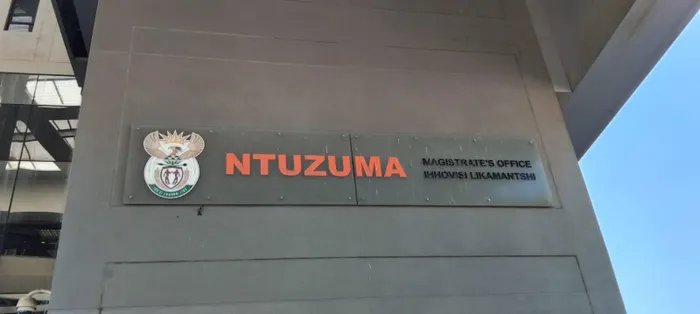
Mzomuhle Kweyama received a life sentence from the Ntuzuma Regional Court for crimes committed in Inanda in January 2025, which included murder, attempted murder, and two counts of robbery with aggravating circumstances. Kweyama pleaded guilty to these charges. For each of the two robbery counts, he was sentenced to 15 years' imprisonment. The Ntuzuma Regional Court, presiding over the case, delivered the verdict after careful consideration of the evidence presented and Kweyama's own admissions. The court ordered these sentences to run concurrently, meaning Kweyama will serve the longest sentence, which is life imprisonment, with the other sentences running at the same time. This full sentencing reflects the severe nature of the multiple offenses committed during the violent home invasion.
Kweyama described the incident, stating, "We pushed the door and we shot the lady inside the room. I am not sure between us who injured the lady. She was resisting us opening the door and that made us very anxious. We left her and went back in the lounge." His chilling account offered a glimpse into the chaotic and violent events that unfolded. He further elaborated on the robbery, adding, "One of the women told us that the money was in the rondavel outside. We demanded to know where the key was and where the money was hidden. My friend went with the lady, while I guarded the others. My friend returned with money in a bag." These statements, made by Kweyama himself, formed a key part of the prosecution's case and his subsequent guilty plea.
Brutal Invasion and Violence
Mzomuhle Kweyama stated that he and a friend decided to rob a house due to his diminishing financial resources. This admission provided a motive for the premeditated attack. Upon approaching the residence in Inanda, they encountered four boys and an Audi Q2 vehicle in the driveway, indicating the house was occupied. The two men, brandishing firearms, immediately asserted their dominance by ordering the boys into the house, initiating the terrifying ordeal. Inside the home, they located three women in the lounge and commanded them to lie on the floor, further escalating the level of intimidation and control.
Following this, the assailants obtained money from a rondavel located on the property, having forced one of the occupants to reveal its location and access. The violence did not stop with the theft. During the robbery, Kweyama shot another woman in the head after she claimed to recognize him, a cold-blooded act designed to eliminate a witness. This specific act of violence showed the ruthlessness of the perpetrators and their intent to avoid detection at any cost. Before this, they had already shot a woman inside a room who was resisting them opening the door, demonstrating their willingness to use lethal force from the outset. Kweyama also hit another lady on the head with the gun, adding to the physical trauma inflicted upon the victims. After committing the acts of violence and theft, Kweyama and his accomplice fled the scene in the Audi Q2, the vehicle they had found in the driveway. They subsequently abandoned the vehicle as part of their escape plan. Kweyama was arrested several days later in Inanda in connection with the incident, bringing him to justice for his role in the heinous crimes.
Victims and Aftermath
The individual killed during the Inanda robbery was identified as Hlengiwe Nxumalo. Her life was tragically cut short by the invaders' brutality. Her sister, Thandiwe Nxumalo, was also present during the incident, witnessing the horror unfold. Another sister, Samukelisiwe Buthelezi, sustained a gunshot wound to her eye during the attack. The injury was severe enough to necessitate surgery for the implantation of an artificial eye, a permanent and devastating consequence of the home invasion. The physical and emotional scars left on the surviving family members are profound and long-lasting.
Mzomuhle Kweyama's accomplice in the robbery and murder remains at large, posing an ongoing concern for law enforcement and the community. Police investigations continue in an effort to apprehend the second suspect involved in the crimes, ensuring that all those responsible are held accountable. The court proceedings focused solely on Kweyama, who pleaded guilty to the charges against him, but the broader investigation for his partner in crime persists. The search for the outstanding suspect is ongoing as authorities seek to bring all perpetrators to justice, providing a measure of closure for the victims' families. The impact on the Nxumalo family has been profound, with one sister killed and another permanently disfigured, forever altering their lives. The ongoing nature of the investigation into the second suspect shows the continuing efforts by law enforcement to address the full scope of the violent incident and ensure no stone is left unturned in their pursuit of justice.
Prosecutor's Condemnation
The sentencing occurred on Friday, with Mzomuhle Kweyama receiving a life imprisonment sentence for murder and another life imprisonment sentence for attempted murder. These severe penalties reflect the gravity of his actions. The court ordered these sentences to run concurrently, ensuring that Kweyama will spend the remainder of his life in prison for the atrocities he committed. Regional court prosecutor Kaystree Ramsamujh described the crime as a calculated, ruthless, and heavily armed invasion, noting the premeditated and brutal nature of the attack.
Ms. Ramsamujh noted the brutality of the incident, stating that the accused shot a woman inside a room who was resisting them opening the door, demonstrating an immediate resort to violence. She added that Kweyama also hit another lady on the head with the gun, inflicting further injury and terror upon the victims. "When a vulnerable woman cried out and barricaded herself in her bedroom, pleading for mercy, the accused did not retreat," Ms. Ramsamujh said, painting a vivid picture of the victim's desperate pleas. "He actively forced the door open and struck her over the head," she continued, emphasizing the deliberate and merciless actions of Kweyama.
The prosecutor further elaborated on the severity of the violence, noting, "The climax of the invasion was an execution. When a helpless lady stated that she recognised an accomplice, she was executed with a direct shot to the head on the spot." This chilling description left no doubt about the cold-blooded nature of the murder. Ms. Ramsamujh emphasized Kweyama's direct role in this act. "The accused carried out this order without a shred of hesitation; she was silenced forever, killed out of pure greed to avoid detection," she stated, showing the motive behind the fatal shooting. This particular act of violence, the execution of a witness, served as a stark reminder of the extreme measures Kweyama was willing to take to cover his tracks.
Ms. Ramsamujh also addressed the lasting impact on the victims' families, acknowledging the deep and enduring trauma they face. "The trauma of watching their loved one shot in the head while they lay bound and helpless on the floor is a psychological life sentence for them," she concluded, drawing a poignant parallel between Kweyama's legal sentence and the emotional burden carried by the survivors. Her words powerfully conveyed the profound and irreversible damage inflicted by the invasion, extending far beyond the physical injuries and stolen possessions. The prosecutor's condemnation served to show the community's outrage and the court's commitment to delivering justice for such heinous crimes. The case of Mzomuhle Kweyama stands as a stark reminder of the devastating consequences of violent crime and the relentless pursuit of justice by the South African legal system.