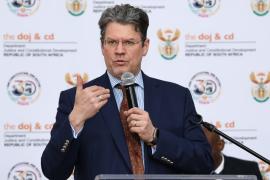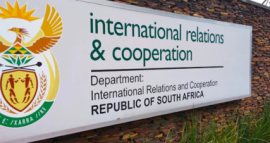
The Department of International Relations and Cooperation (DIRCO) recently reaffirmed South Africa's commitment to Pan-African solidarity, the rule of law, and constructive continental dialogue on migration. This significant statement came as DIRCO responded to a petition submitted to the International Criminal Court (ICC) by two Ghanaian civilians. DIRCO described the petition as opportunistic, stating it does not meet the legal thresholds required for the court to take action. This assessment by the department shows its position that the petition lacks the necessary legal foundation for the ICC to intervene. "South Africa remains steadfast in maintaining the rule of law and ensuring that those who perpetrate violence or unlawful acts are held fully accountable under our judicial system," DIRCO stated, emphasizing the nation's strong domestic legal framework.
Commitment to Regional Stability
South Africa regards the Economic Community of West African States (ECOWAS) as a vital pillar of continental integration. This perspective notes the importance South Africa places on regional bodies in fostering stability and cooperation across the African continent. The nation remains committed to engaging with ECOWAS on issues of mutual concern, particularly regional stability and migration management. This engagement reflects a broader strategy of collaborative problem-solving within Africa. South Africa's largest migration flows are concentrated within the Southern African Development Community (SADC), making regional approaches to migration particularly relevant. The country categorically rejects xenophobia, racism, homophobia, intolerance, and discrimination in all their manifestations. This firm stance against all forms of prejudice is a cornerstone of its domestic and foreign policy. Upholding the dignity of every person within South Africa's borders is affirmed as both a constitutional obligation and a moral responsibility. These foundational principles guide South Africa's approach to engagement within the African continent, fostering an environment of respect and mutual understanding.
Upholding Rule of Law
South Africa maintains confidence in its domestic legal framework, adhering to the principle of complementarity. This principle, central to the Rome Statute of the International Criminal Court, posits that the ICC acts only when national courts are unwilling or unable to investigate and prosecute international crimes. The Department of International Relations and Cooperation (DIRCO) stated that South Africa remains steadfast in upholding the rule of law and ensuring accountability for those who perpetrate violence or unlawful acts within its judicial system. DIRCO affirmed, "South Africa remains steadfast in maintaining the rule of law and ensuring that those who perpetrate violence or unlawful acts are held fully accountable under our judicial system." The nation has established full legal mechanisms to address such issues, demonstrating its capacity and willingness to respond to alleged transgressions. The Prevention and Combating of Hate Crimes and Hate Speech Act specifically criminalises hate crimes and hate speech, providing a strong framework to ensure their prosecution and deter such unlawful conduct. This legislative measure shows South Africa's unwavering commitment to addressing unlawful conduct through its established legal processes, reinforcing its sovereignty and judicial integrity.
Dismissal of ICC Petition
The Department of International Relations and Cooperation's (DIRCO) reaffirmation of Pan-African solidarity follows the final communiqué issued at the 69th Ordinary Session of the Economic Community of West African States (ECOWAS) Authority of Heads of State and Government. This communiqué outlined significant decisions regarding regional stability and integration, providing a key backdrop to DIRCO's continued emphasis on continental cooperation and shared governance. South Africa's stance aligns with broader African efforts to address challenges through established regional bodies and legal frameworks, promoting self-reliance and collective action.
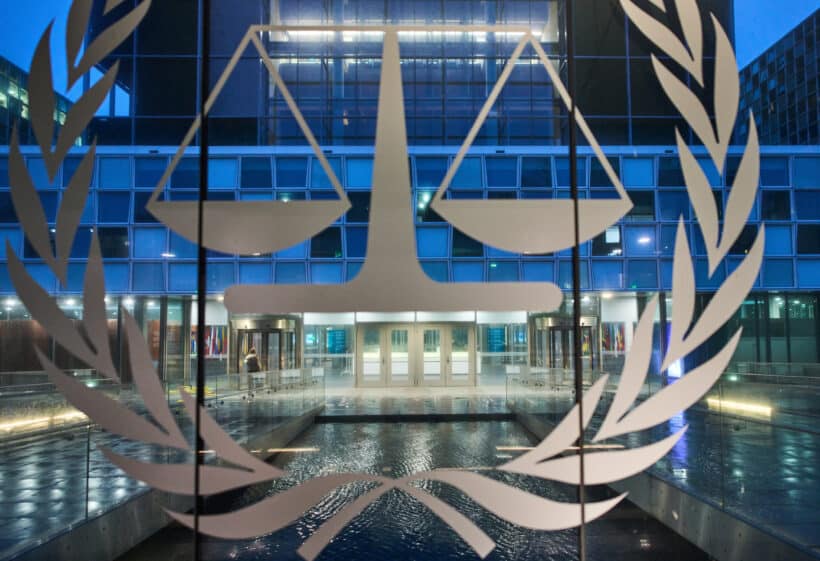
DIRCO stated the petition submitted to the International Criminal Court (ICC) by two Ghanaian civilians fails to satisfy the ICC's statutory legal triggers and jurisdictional requirements. This assessment indicates that, in South Africa's view, the petition does not meet the necessary criteria for the court to initiate proceedings, thereby rendering it inadmissible. The department's position shows its confidence in its domestic legal system to address issues of accountability, asserting that South African courts are fully capable and prepared to handle any alleged violations of law within its jurisdiction. This reflects a principled stand on national sovereignty and the effectiveness of its judicial institutions in upholding justice.