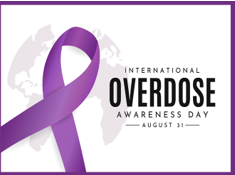
South Africa observed International Overdose Awareness Day on Monday, with the Department of Social Development hosting an event at the Galeshewe Recreational Hall in Kimberley. The observance aimed to highlight the impact of drug overdoses and promote awareness regarding prevention and harm reduction strategies. This annual commemoration serves as a critical platform for communities and stakeholders to reflect on the devastating consequences of substance harm and to reinforce collective efforts towards prevention and support. The department marked the day at Galeshewe Recreational Hall in Kimberley, bringing together various community members and officials to discuss these pressing issues.
Key Interventions and Focus Areas
The Department of Social Development's campaign was guided by the message: "Prevent. Recognise. Respond. Recover." This full framework aims to encompass the full spectrum of substance harm reduction efforts, from initial prevention strategies to long-term recovery support. This message serves as a guiding principle for all interventions undertaken by the department and its partners in addressing the complex challenges associated with substance use.
Government interventions outlined by the Department include a multi-faceted approach, covering prevention, early intervention, treatment, and rehabilitation. These efforts are further supported by psychosocial and family support services, community mobilisation initiatives, and referrals to appropriate health and social services. The department emphasized that these integrated services are key for providing holistic support to individuals and families affected by substance harm. The national response places particular emphasis on young people and communities, acknowledging their specific vulnerabilities and needs in addressing substance harm. This focus ensures that interventions are tailored to the unique contexts and challenges faced by these groups, promoting more effective and sustainable outcomes.
Addressing Stigma and Misinformation
The Department of Social Development encouraged communities to utilize International Overdose Awareness Day for multiple purposes: to commemorate individuals who have died, to enhance prevention efforts, to motivate those struggling with substance harm to seek assistance, and to offer support to individuals engaged in the recovery process. The department encouraged communities to use International Overdose Awareness Day not only to remember lives lost, but also to strengthen prevention, encourage people to seek help and support those on the journey towards recovery. This year's commemoration of the day was held under the global theme, "25 Years On. Still Needed". The theme showed the enduring necessity of addressing substance harm and overdose prevention efforts, noting that despite decades of work, the challenges remain significant and require sustained attention. International Overdose Awareness Day also provided an opportunity to address misinformation and stigma surrounding substance use, which often act as significant barriers to individuals seeking help and support.
Call for Societal Responsibility
The Department of Social Development urged all sectors of society to take responsibility for fostering safer, healthier, and more resilient communities. The call for collective action was made as International Overdose Awareness Day is observed annually on August 31. The department emphasized that addressing substance harm requires a unified approach from various community stakeholders, including government agencies, civil society organizations, families, and individuals. By working together, society can create environments that support recovery and reduce the incidence of overdose. The department called on all sectors of society to take responsibility for building safer, healthier and more resilient communities, showing that this is not a task for government alone, but a shared societal obligation.
Departmental Perspective
International Overdose Awareness Day offered a platform to confront misinformation and stigma associated with substance use. The Department emphasized the importance of fostering accurate understanding and compassion to support individuals affected by substance harm, aligning with broader efforts to reduce societal barriers to recovery and effective intervention strategies. This approach aims to create a more supportive and inclusive environment where individuals feel empowered to seek and receive the help they need without fear of judgment. The department believes that by fostering greater public understanding and empathy, the path to recovery can be made smoother and more accessible for those struggling with substance use disorders.