Undocumented migrants in South Africa have become the target of what is described as an extremely dangerous mobilization. This development poses a significant threat to the country, according to reports. The ongoing situation notes growing tensions and potential for unrest within South Africa. Organizations and individuals involved in these movements are focusing on migrant populations, creating a volatile environment. The targeting of undocumented migrants specifically for this mobilization shows a concerning shift in public discourse and action within the nation. The specific nature of this extremely dangerous mobilization raises alarm among human rights advocates and observers of South African society.
Deepening Xenophobic Sentiment
A shadowy movement named March and March, alongside organizations such as Jacob Zuma’s MK party, has issued an ultimatum for migrants to depart the country by June 30. This development occurs amidst a notable level of anti-foreigner sentiment among politically aware South Africans. The prevalence of such sentiment is particularly evident within a large WhatsApp group comprising more than 500 former anti-apartheid activists. Observers note this group’s discussions reflect a widespread hostility towards migrants. The June 30 deadline set by March and March and the MK party adds to the growing pressure on migrant communities in South Africa. The explicit demand for migrants to leave by a specific date, as articulated by the shadowy movement March and March and Jacob Zuma’s MK party, marks a direct and aggressive stance. This ultimatum is a stark indicator of the deepening xenophobic sentiment that has taken root among certain segments of the population. The level of anti-foreigner sentiment among politically aware South Africans is described as shocking, though perhaps not surprising given historical patterns of xenophobia in the country. The fact that this sentiment is clearly visible within a large WhatsApp group, consisting of over 500 former anti-apartheid activists, further illustrates the widespread nature of these views, even among those who once fought for liberation and equality.
Escalating Threat and Consequences
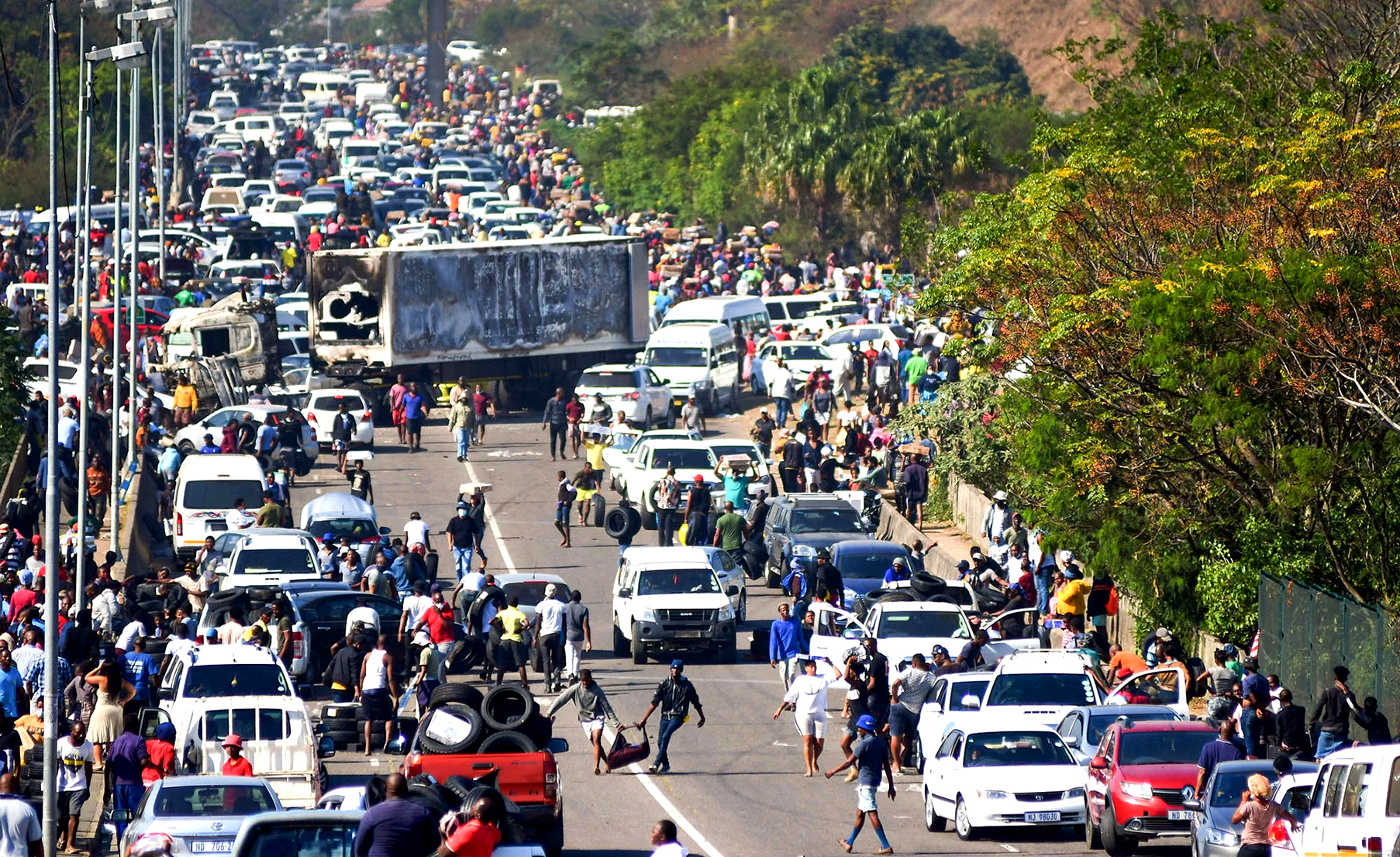
The current anti-migrant mobilization threatens to massively intensify previous xenophobic waves in South Africa. Analysts indicate that the scale of the present threat could potentially surpass the widespread looting and riots that devastated the country in July 2021. The July 2021 unrest, which led to significant economic damage and loss of life, primarily stemmed from political grievances and social instability. However, the current mobilization specifically targets migrant communities, raising concerns about a different type of widespread chaos. The explicit anti-migrant focus of the movement suggests a potential for more direct and sustained violence against foreign nationals compared to the opportunistic nature of some past disturbances. This specific targeting, coupled with the organizational efforts mentioned in previous reports, indicates a heightened risk of deliberate and coordinated actions. The potential for a larger-scale impact than the 2021 events notes the severity of the current situation and its implications for national stability and social cohesion. The claim that this mobilization threatens to massively intensify previous xenophobic waves shows the gravity of the situation. The previous xenophobic incidents, while deeply concerning, may be dwarfed by the potential impact of the current, more organized efforts. The scale of the current threat, according to assessments, could even be greater than the July 2021 looting and riots that caused widespread devastation across South Africa. That period saw significant disruption, economic loss, and even fatalities, setting a high bar for comparison.
Political Exploitation and Misdirection
The anti-migrant mobilization is unfolding during the period leading up to local government elections in South Africa. This timing coincides with political campaigns and increased public discourse, which analysts suggest could amplify the visibility and impact of such movements. The focus on migration issues often becomes more pronounced in electoral cycles, with various political actors potentially using them to rally support. The current environment, marked by upcoming elections, provides a backdrop against which anti-migrant sentiments can be expressed and organized. This convergence of political campaigning and social mobilization contributes to the prevailing tensions across the country. The run-up to local government elections creates a fertile ground for such mobilizations to gain traction, as political parties and figures may be tempted to exploit existing grievances. The strategic timing of this anti-migrant campaign, coinciding with the electoral period, suggests a calculated effort to influence public opinion and potentially electoral outcomes.